

On solid ground
JUMO application example
Success story: composting
Composting is a biological nutrient cycling process in which easily recyclable organic material is broken down by bacteria and fungi when exposed to atmospheric oxygen. The process also releases water-soluble minerals other than carbon dioxide, such as nitrates, ammonium salts, phosphates and potassium/magnesium compounds, which act as fertilizer. These days, composting is no longer something that only happens in people's gardens, but is carried out mainly on a large scale by local municipalities. In Germany there are more than 1000 composting plants for this purpose.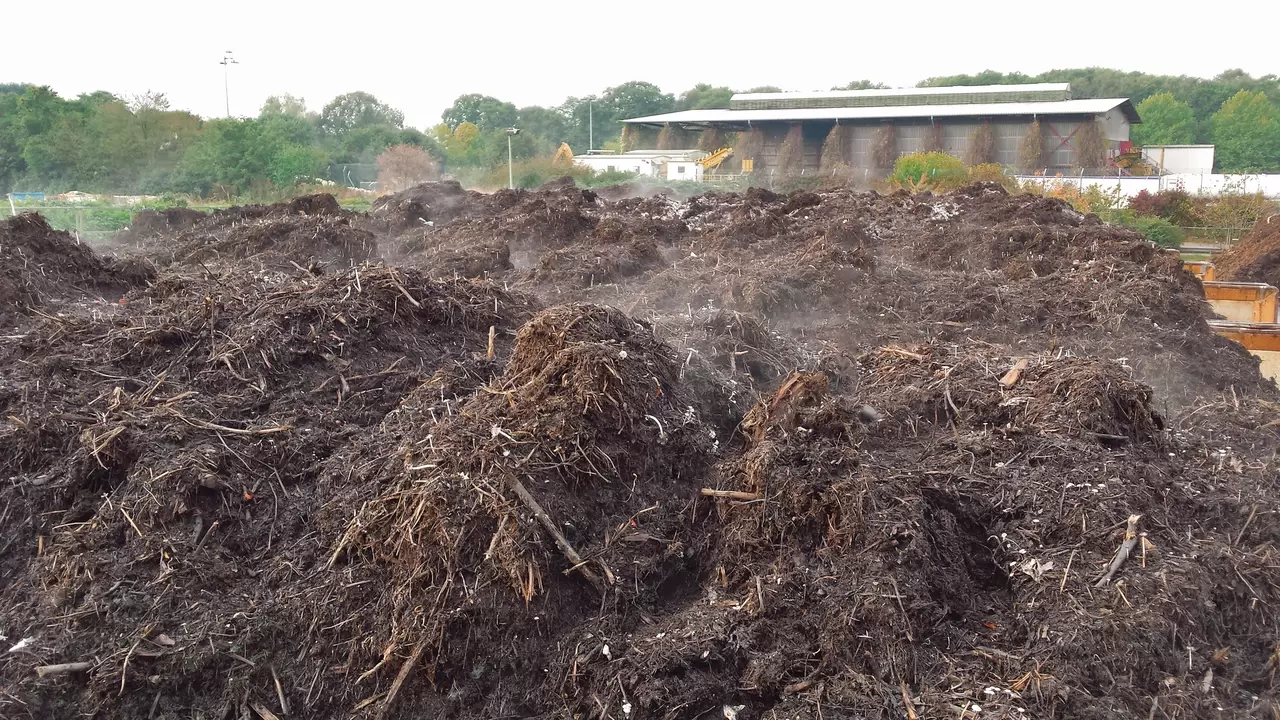
Quest
According to the German Federal Statistical Office, in the year 2011, approximately 14 million metric tons of biogenic waste were composted or fermented in biogas plants and subsequently reused on soil in Germany. The German biowaste regulation specifies that the intended temperatures for all composting batches must be documented. Proof is necessary because dangerous microorganisms are reliably eliminated as a result of the temperature in the processed material. This data must always be available to the "Bundesgütegemeinschaft Kompost" (Federal Compost Association). The temperature curve should be recorded during hygienic processing using continuous and non-invasive direct temperature measurement in the processed material. In addition, the temperature should be recorded automatically. Often this temperature check is done manually by composting plant operators. Personnel costs are correspondingly high.
Solution Approach
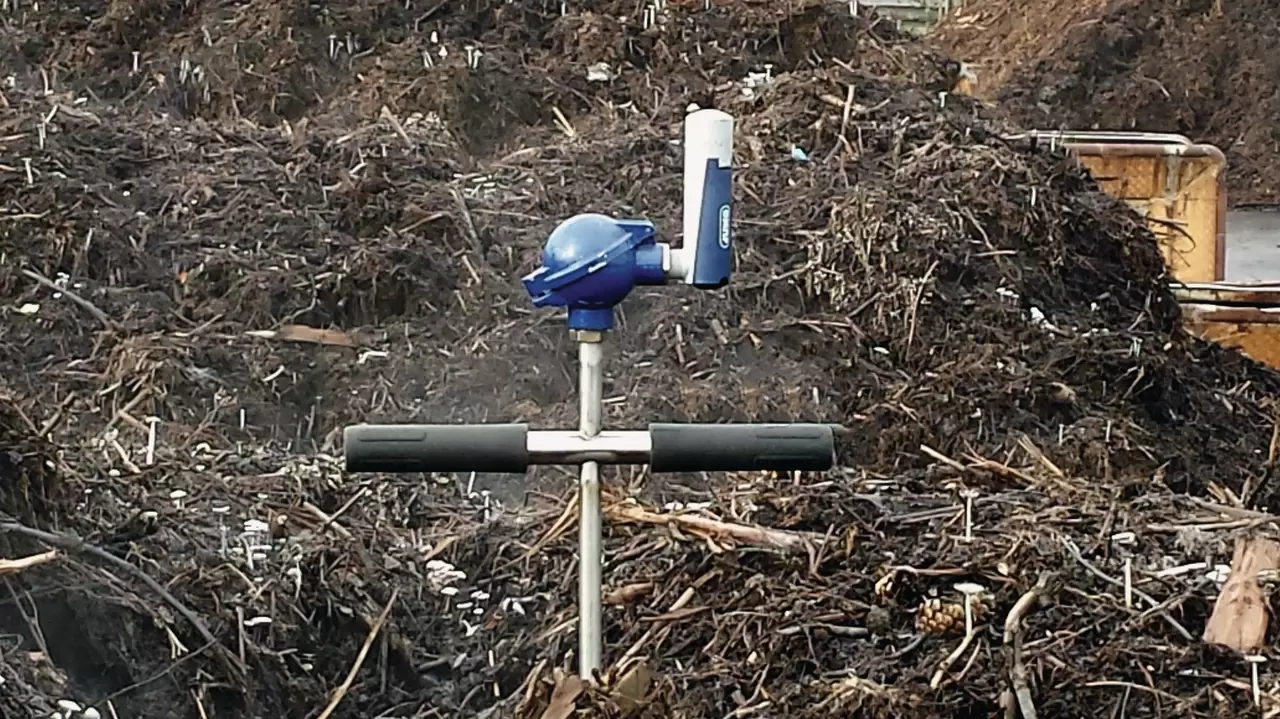
During composting, temperatures greater than 55 °C must be applied to the entire mixture for, if possible, a consecutive period of 2 weeks or 65 °C for 1 weeks. Processing temperatures should be measured and documented at regular intervals - at least once per working day. Devices used to measure temperature must be calibrated regularly - at least once a year - and the calibration must be documented. Only if the documentation of the indirect process control can be verified at all times can the produced composts be considered hygienically harmless. Often this temperature check is done manually by composting plant operators. Personnel costs are correspondingly high. Recycling service provider GfA Lüneburg - gkAöR has chosen an automation system JUMO mTRON T and wireless temperature probes JUMO Wtrans B. As a result, the process is fully automatically monitored and documented in a tamper-proof manner.

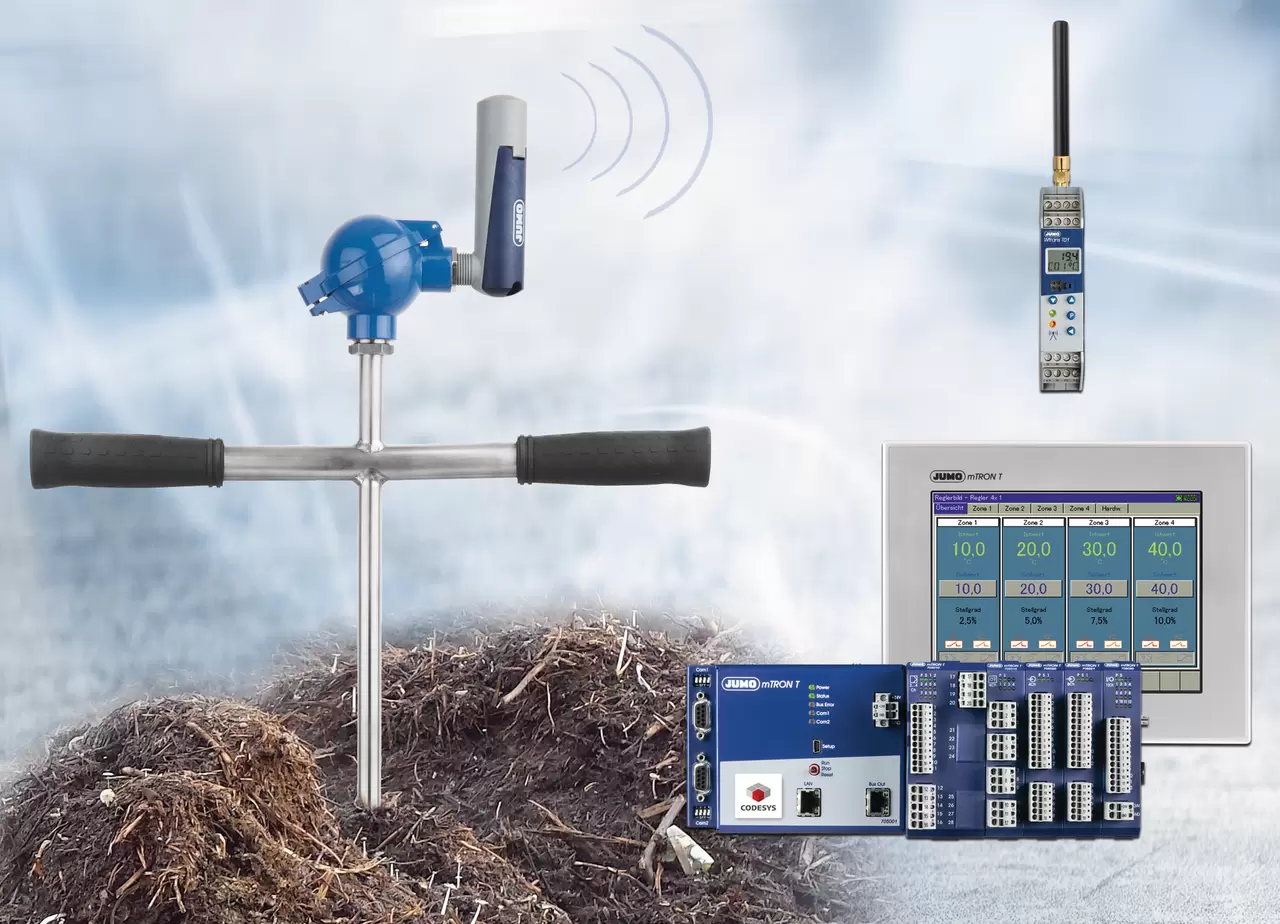
Instead, the data is automatically documented and recorded as proof of the hygiene certificate. A particularly big advantage was the minimal effort required for programming and installation on site.
Project results
Standard predefined screen masks significantly reduce startup time for the user. The entire process of temperature monitoring and documentation is now much easier for GfA Lüneburg thanks to the implemented solution.
100percent obligation to provide evidence fulfilledno
Fully automated process
14Germany composts metric tons of biogenic wasteno
Do you have a similar task?
Manufacturer JUMO expertise
Manufacturer JUMO expertise
We have measurement and control technology solutions that are used in a variety of machines and factories.
All applications