Logo JUMO

Wind farm gondola

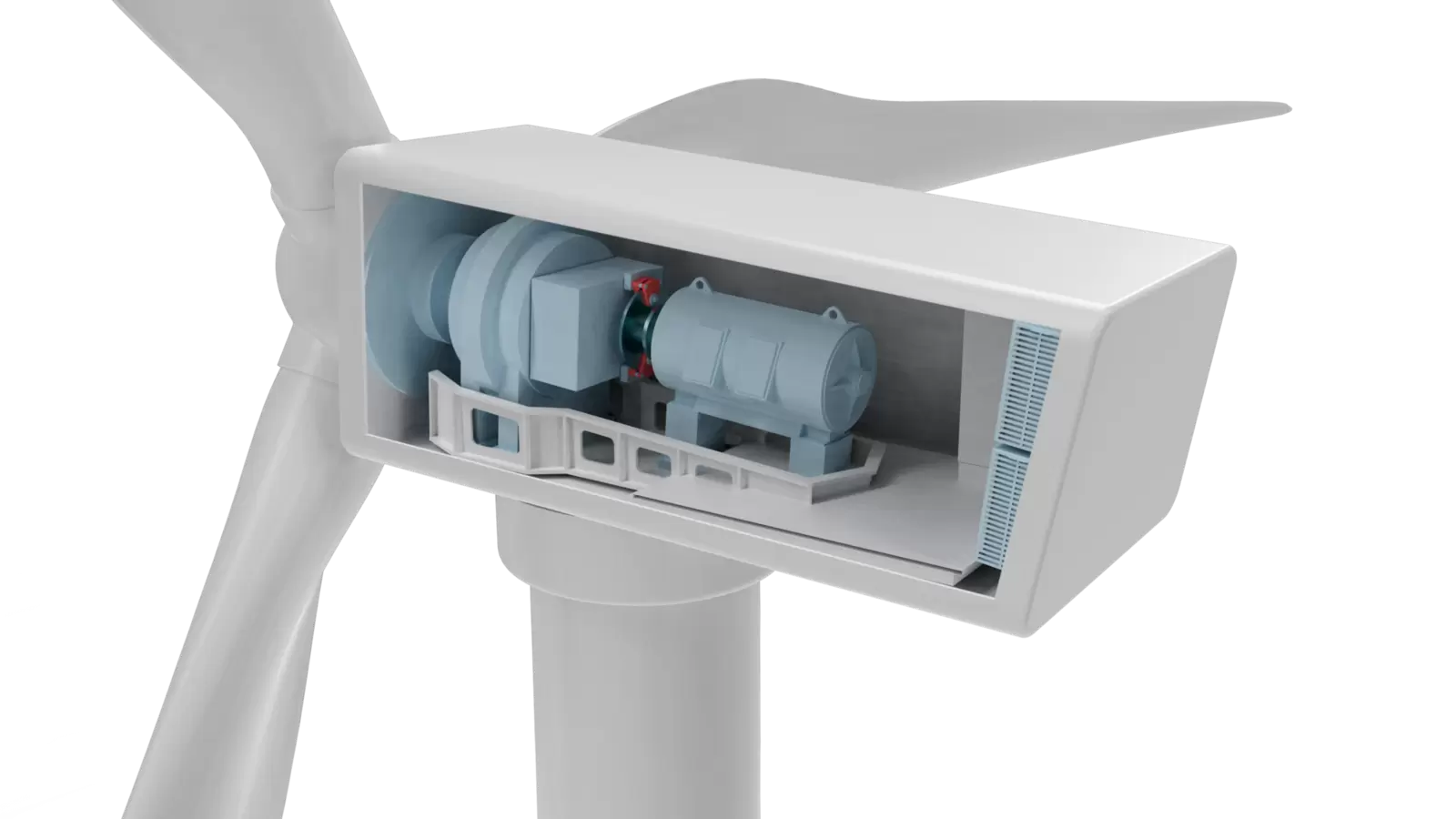
The nacelle of a wind farm is the heart of the turbine. It contains key components such as the generator, gearbox and control systems. To improve operational efficiency, automation solutions are increasingly being used to control nacelle alignment and dynamically adjust rotor blade angles to match current wind conditions. IIoT sensors provide control systems with relevant data on plant status and weather conditions. Thus, efficient wind energy production requires a perfect interaction between sensor technology, automation, forecasting and estimation. It also plays an important role in preventative maintenance. Find out more about our systems and solutions for wind turbine nacelles.

Brake system

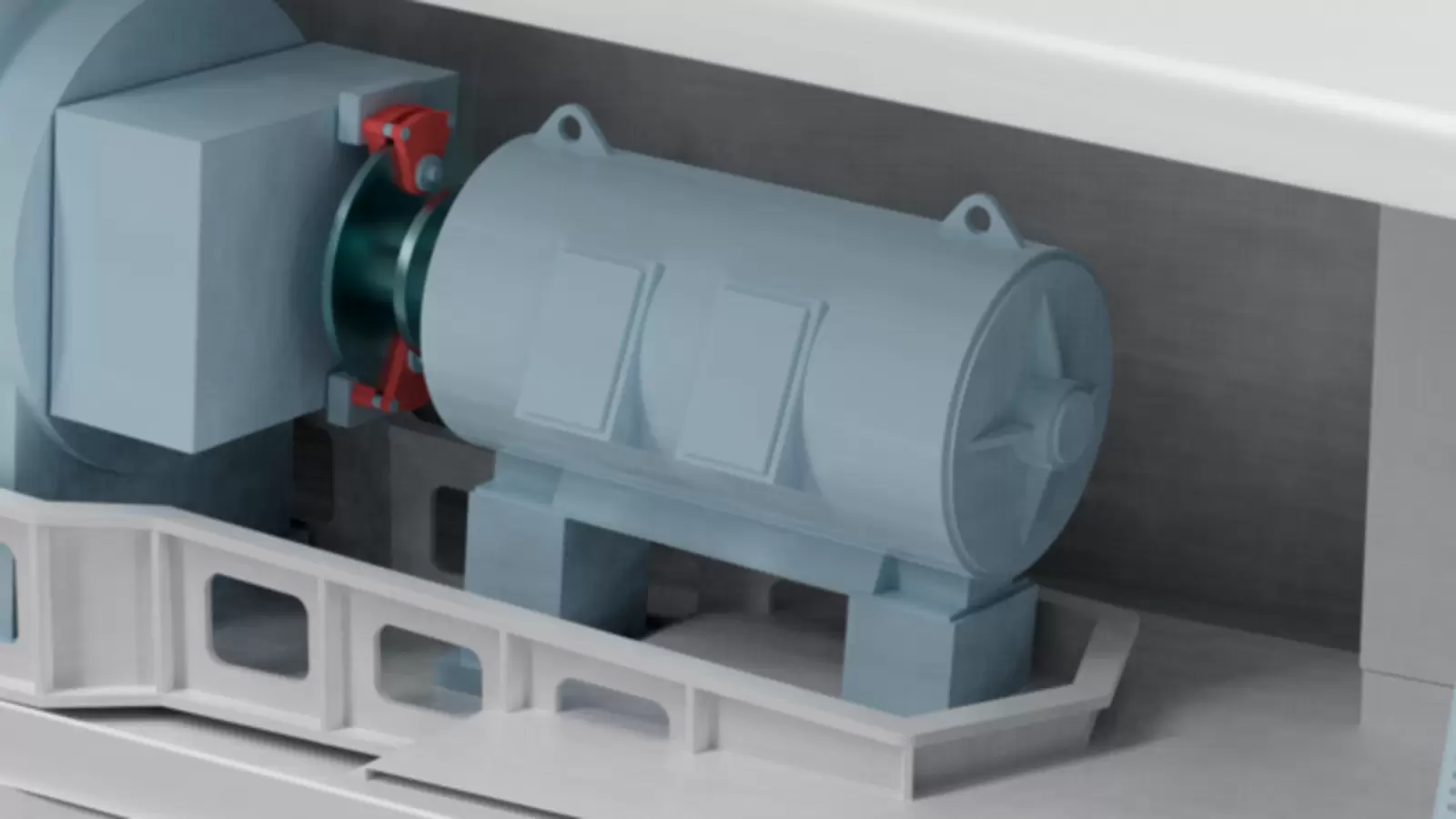
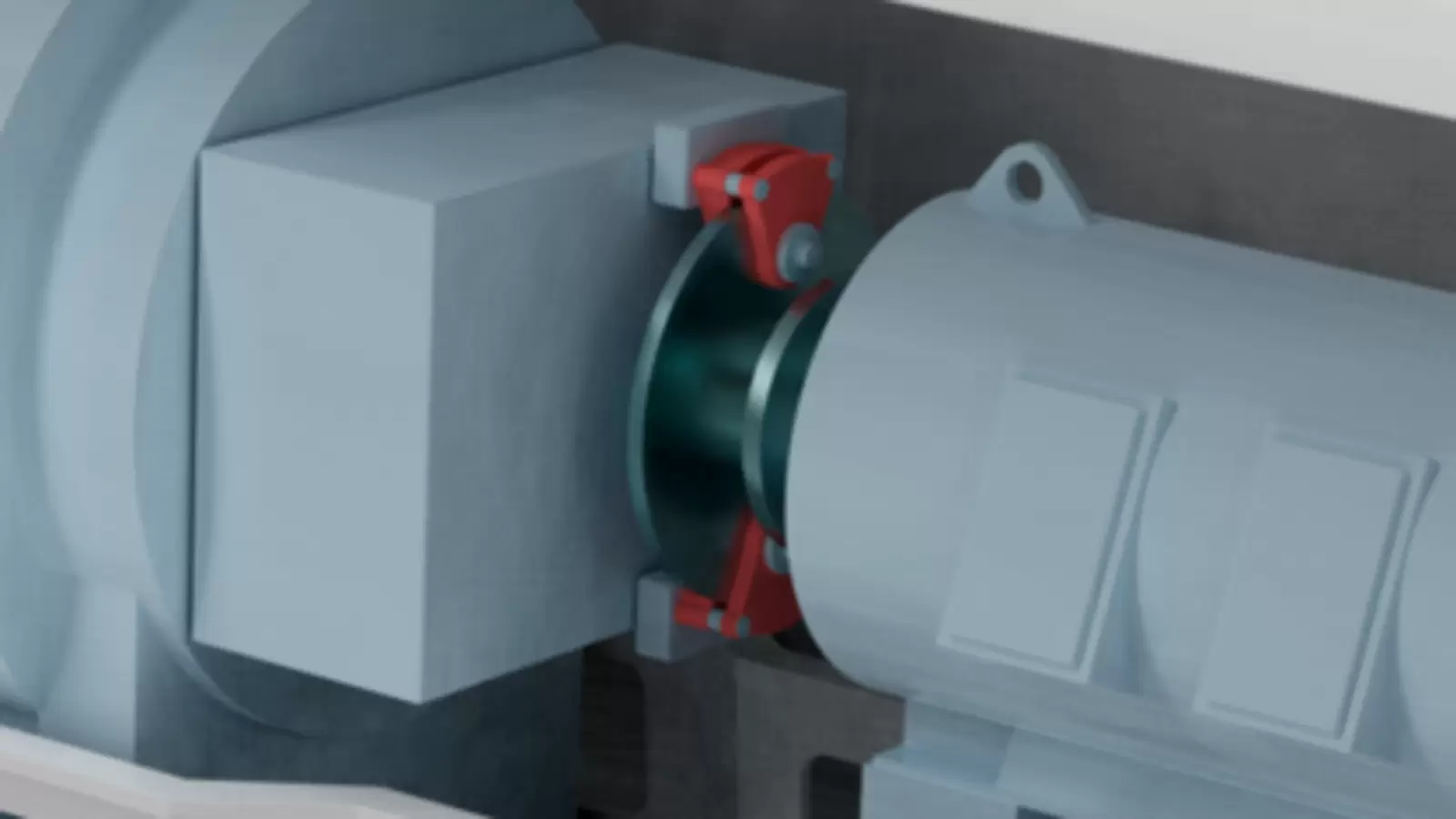
In addition to the rotor blade pitch control system, the wind farm is equipped with a pressure-controlled mechanical brake located between the gearbox and the generator, which quickly stops the turbine in emergency situations or during maintenance. This disc brake works similar to a car brake. It is activated when the air brake is not sufficient to stop the unit safely.

More
Gearbox

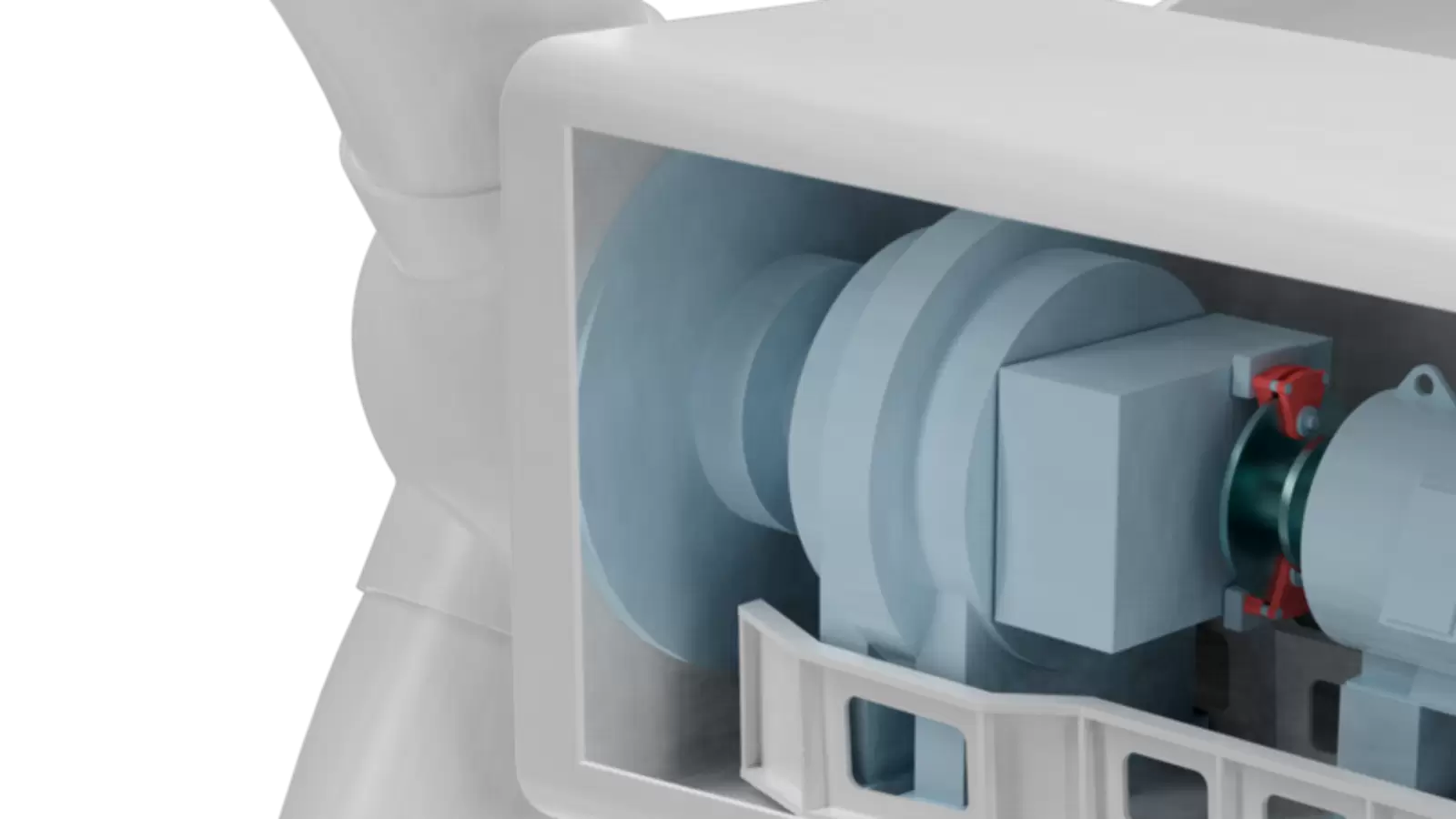
The wind turbine gearbox increases the slow rotation of the rotor blades to the required speed of the generator, thereby connecting the low-speed shaft of the rotors to the high-speed shaft of the generator to efficiently convert wind energy into current. The resulting loads on the side surfaces of the gear teeth are controlled using sophisticated lubrication technology.

More

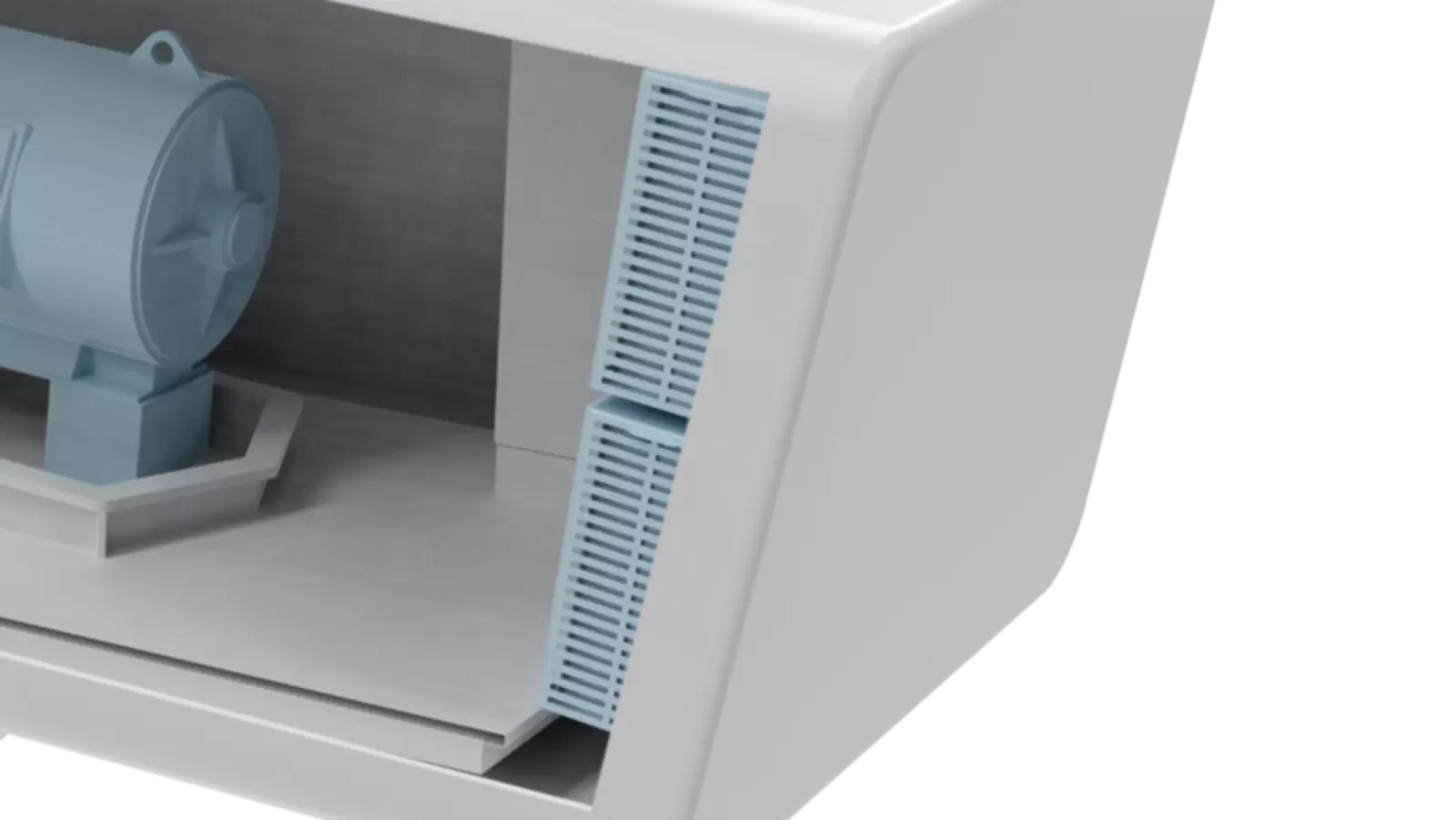
Climate control

Climate control of the wind turbine nacelle ensures optimal operating conditions for sensitive technical components such as the generator, gearbox and electronic components, even in adverse weather conditions. This helps prevent downtime, extends component life and maintains plant efficiency.

More

Generator

A wind farm generator converts the mechanical energy of the rotors into electrical energy through electromagnetic induction. In gearless systems, it is directly connected to the rotor, causing the electrical components to experience greater speed fluctuations in high winds. To prevent overheating, the internal temperature must be constantly monitored.

More

Privacy Settings

This preview uses local files. Analytics services JUMO are not connected.