

Logo JUMO

Wind turbine rotor

Wind turbine rotors, consisting of blades and a hub, play a central role in converting wind energy into mechanical energy. A key element to the rotor's energy efficiency is the pitch angle mechanism, which allows the angle of the rotor blades to be adjusted depending on wind conditions. Rotor and blade heating systems prevent ice from forming on the rotor blades in cold regions, ensuring the wind farm remains fully operational even in low temperatures and adverse weather conditions. The intelligent sensors JUMO transmit the corresponding data to the control system in the nacelle of the wind farm. We invite you to explore our customized technologies for wind turbine rotors.

Tonality system

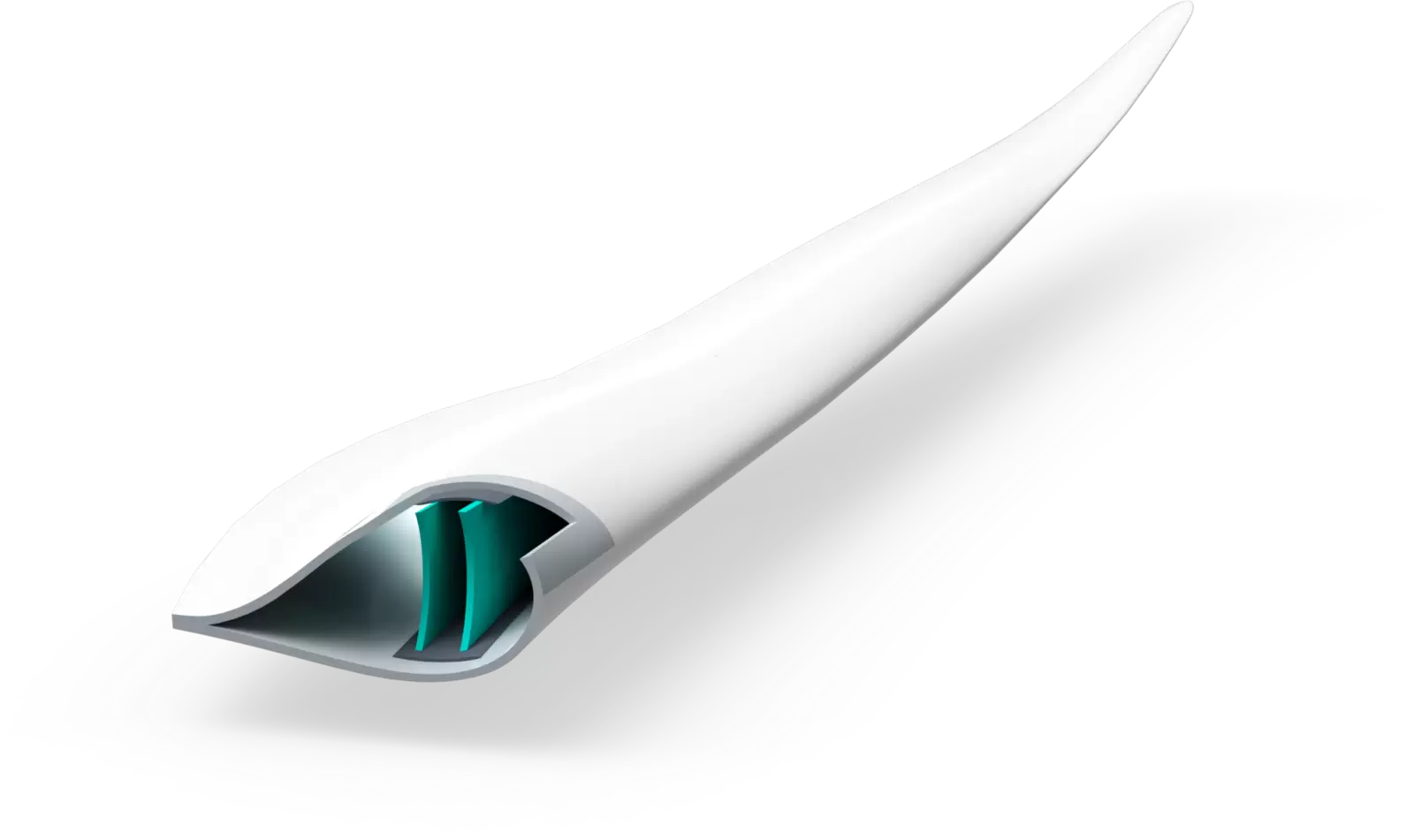
The tilt angle adjustment system consists of sensors, actuators and a control unit, which are built into the hub of the wind generator. Automatic adjustment of the rotor blade angle to suit prevailing wind conditions is accomplished using electrical or hydraulic actuators, where pressure and temperature must be controlled to ensure smooth operation.

Learn more
Heating the rotor blades with warm air

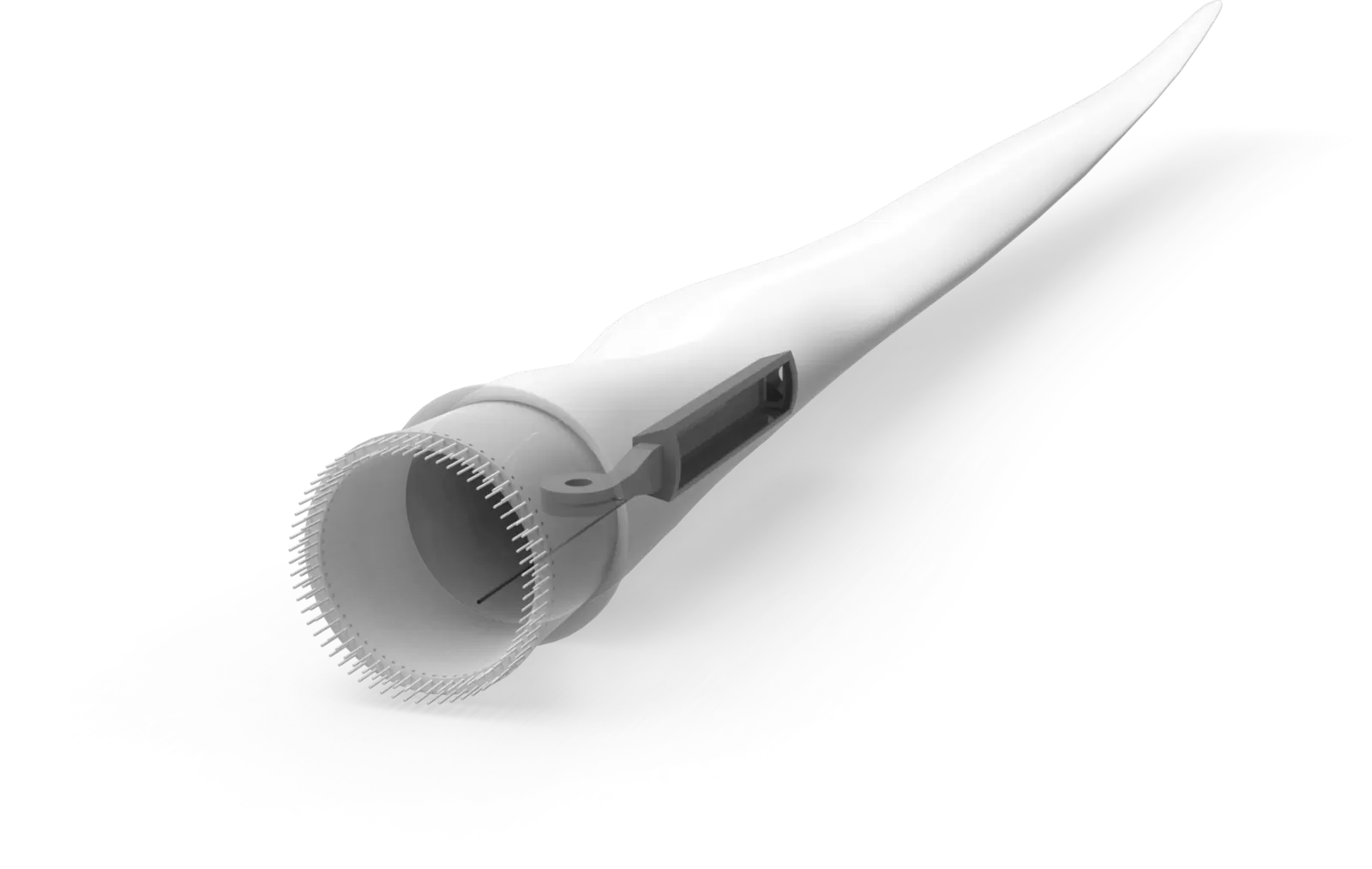
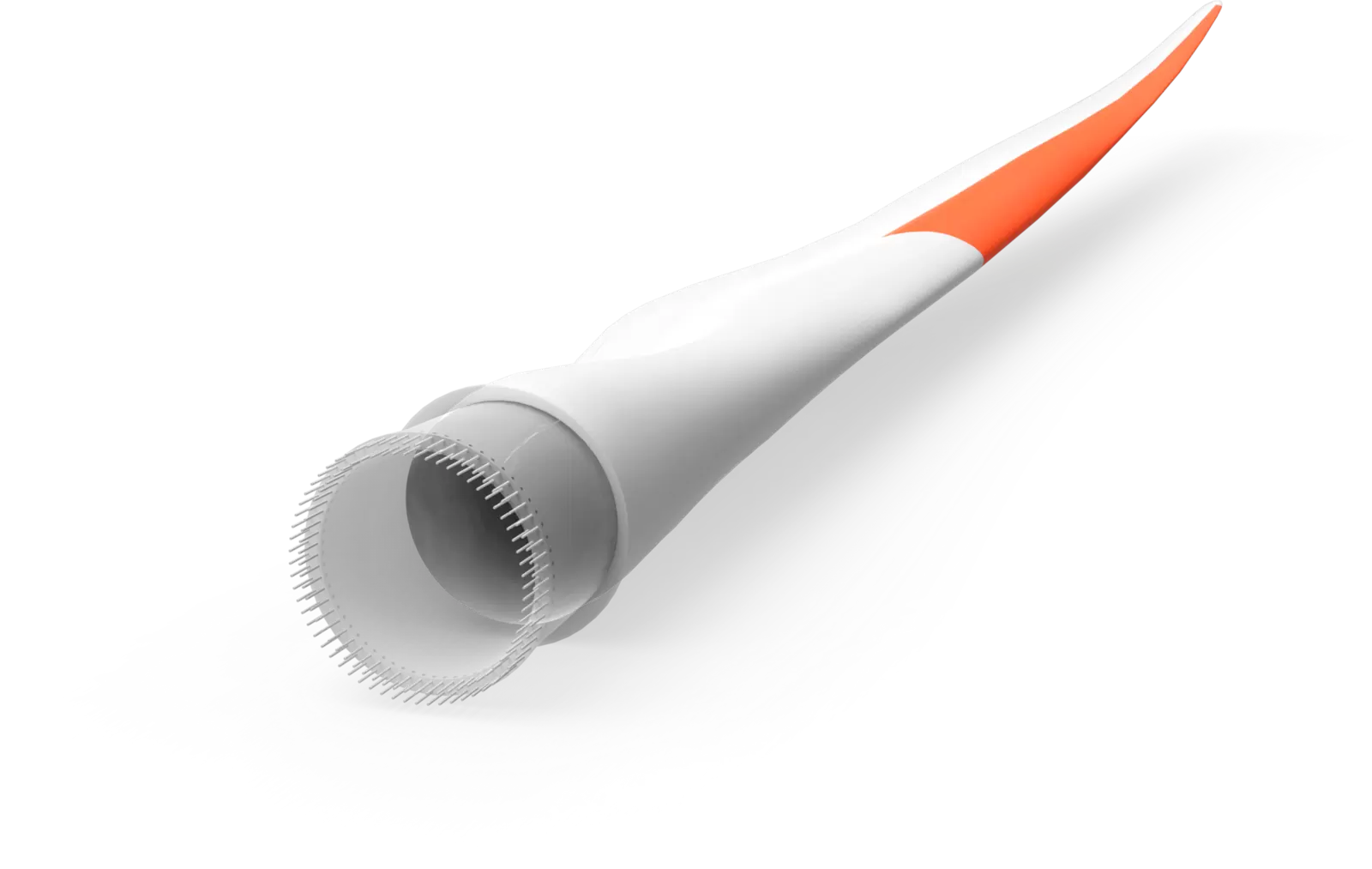
Rotor blades are subject to significant temperature fluctuations and moisture, which can lead to ice formation, ice separation and deterioration of the aerodynamic characteristics of the blades in winter. Therefore, the warm air heating system constantly monitors the temperature of the rotor blades using precise sensors and regulates the heating process to prevent icing at an early stage.

Learn more

Electrothermal heating elements

The rotor blade heating system consists of built-in heating mats or heating wires that are activated as soon as sensors in the rotor detect ice formation or low temperatures. They specifically heat critical points on the leading edge of each rotor blade that are susceptible to icing.

Learn more

Production of rotor blades

The rotor blade consists of a carbon fiber laminate with epoxy resin or a fiberglass laminate that is manufactured using a vacuum infusion process. Fabric mats laid in a mold are vacuum-impregnated with resin and heated in a controlled manner. Due to the size of the rotor blades, multiple temperature control loops are required to ensure uniform curing.

Learn more

Privacy Settings

This preview uses local files. Analytics services JUMO are not connected.