Calibration
Calibration: Basic Questions and Answers
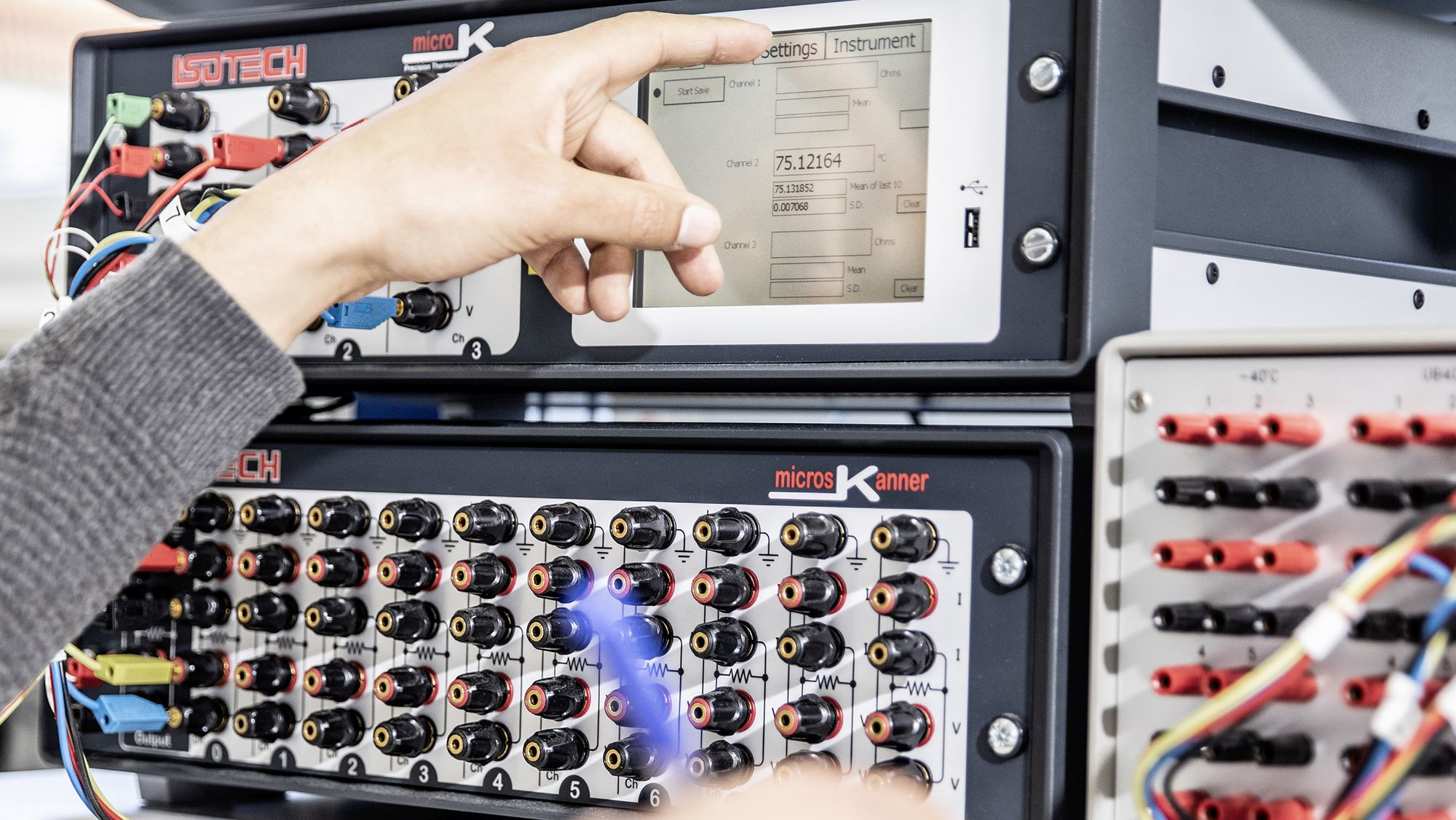
During calibration, the readings of the measuring device are compared with reference values under specified conditions.
What is calibration?
The instrument readings are compared with the standard values under specified conditions. The result describes the deviations and uncertainty of the measurements.
Why calibrate measuring instruments?
Readings may vary due to use, aging, environmental conditions or mechanical stress. Calibration evaluates whether a device is suitable for a particular task.
What equipment is calibrated?
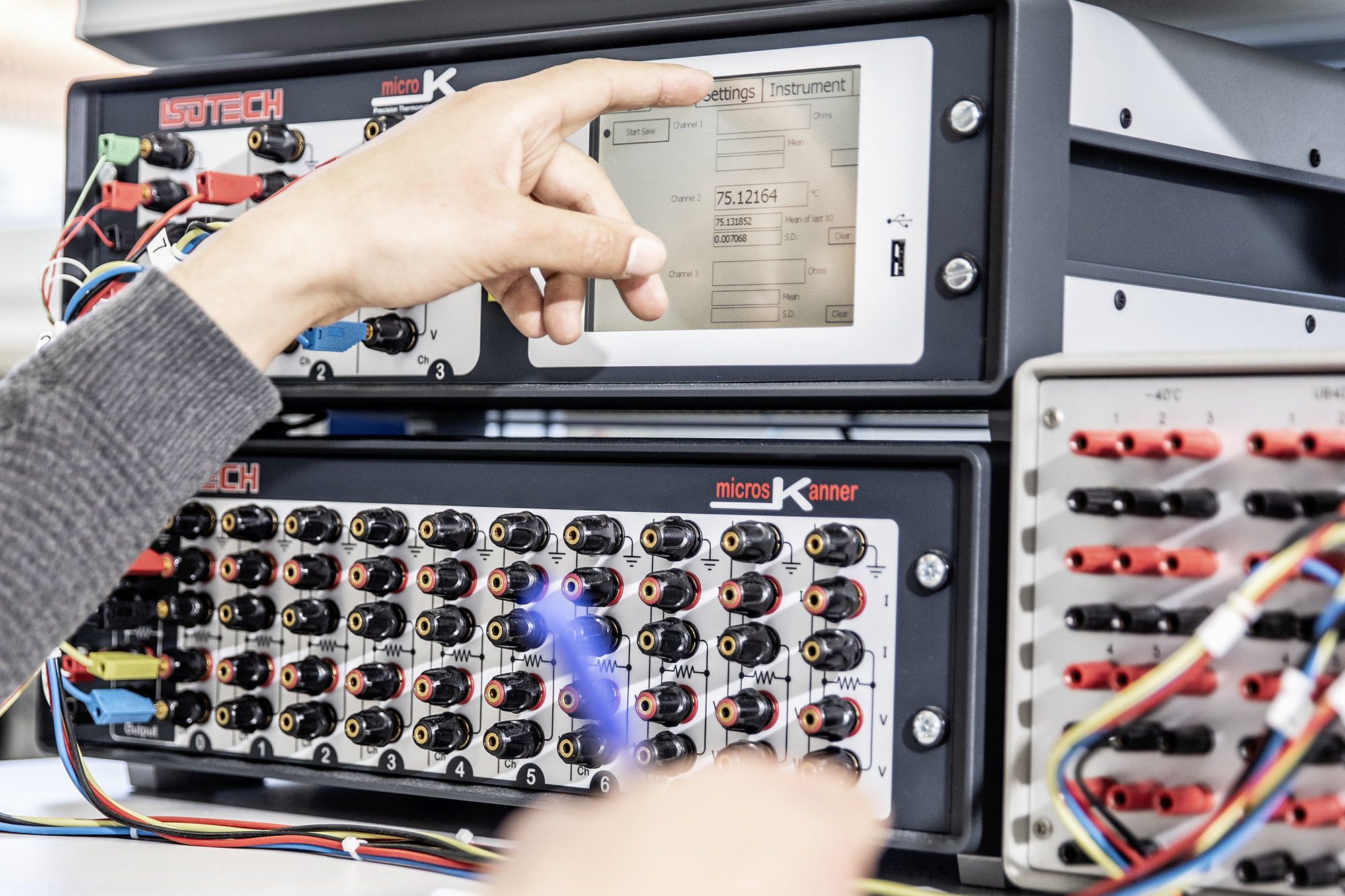
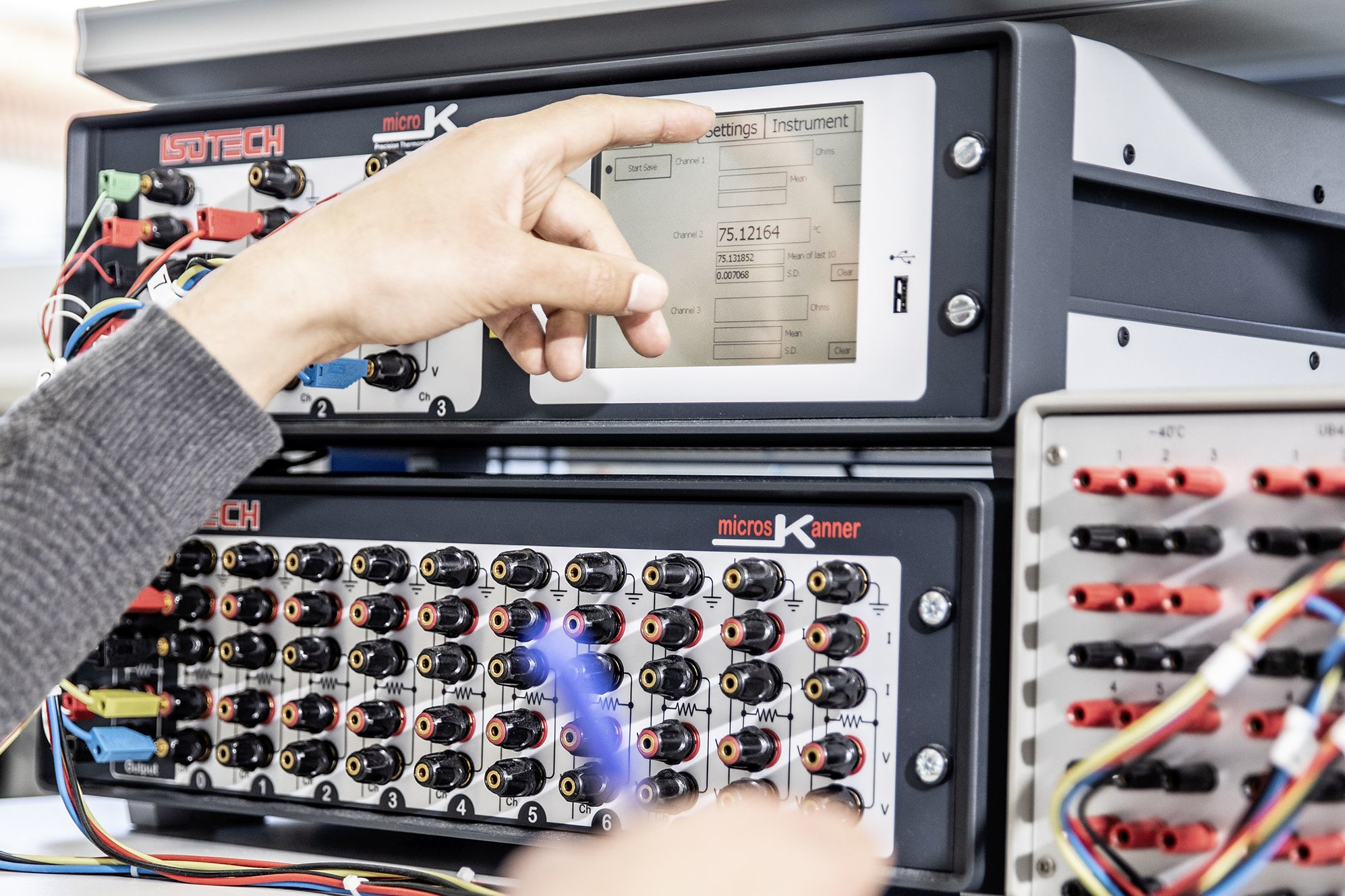
They calibrate instruments whose readings determine the quality, safety or controllability of the process. The choice is determined by the measurement requirements and the purpose of the device.
Who can perform the calibration?
Calibration is carried out by specialists with suitable standards, methods and proven competence. When accredited calibration is needed, the laboratory's scope of accreditation is checked.
What types of calibration are available?
Depending on the task, calibration is carried out in the laboratory or on site. The documents indicate the methodology, the measured value, range and conditions.
How often is calibration performed?
The interval is selected based on the stability of the device, operating conditions, the consequences of erroneous measurements and the results of previous calibrations.
What are measurement tolerances?
Tolerance limits the deviation that is acceptable for the process. When assessing compliance, both the resulting deviation and measurement uncertainty are taken into account.
How to choose the number and location of points?
Points are selected within the operating range. Particular attention is paid to the values at which the plant actually operates or makes important decisions.
Accuracy requirements
The stricter the process requirements, the more carefully the points and uncertainty of the method are selected.
Critical points
Includes work orders, switching limits and values close to range limits.
Recommendations and standards
Take into account the manufacturer's documentation and the requirements of the procedures used at the enterprise.
Measurement history
Previous results help identify areas of the range where the deviation changes more quickly.
What does an accredited calibration include?
The laboratory applies a methodology within the scope of its accreditation and reports the results indicating the uncertainty and measurement conditions.
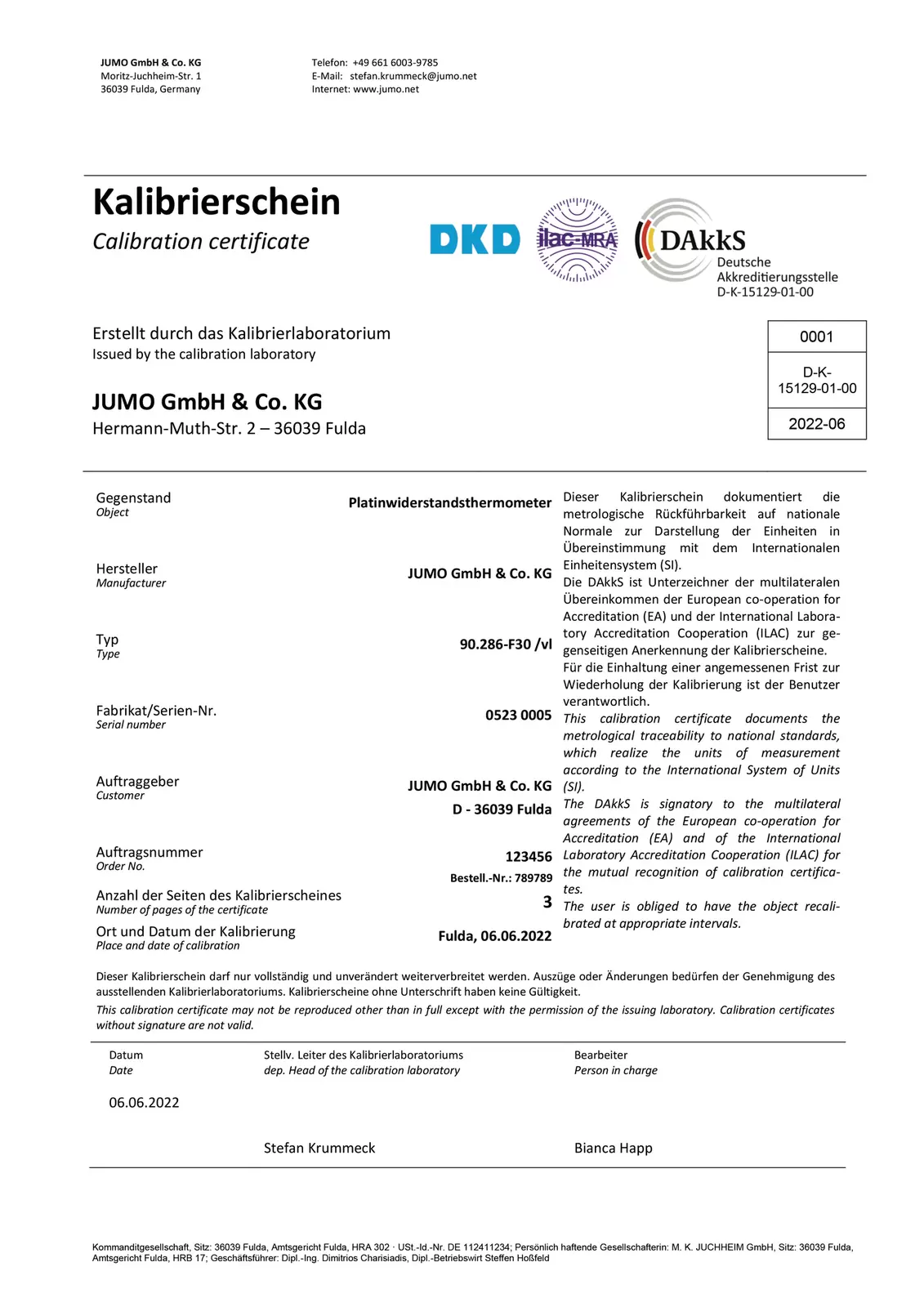
What does the calibration certificate contain?
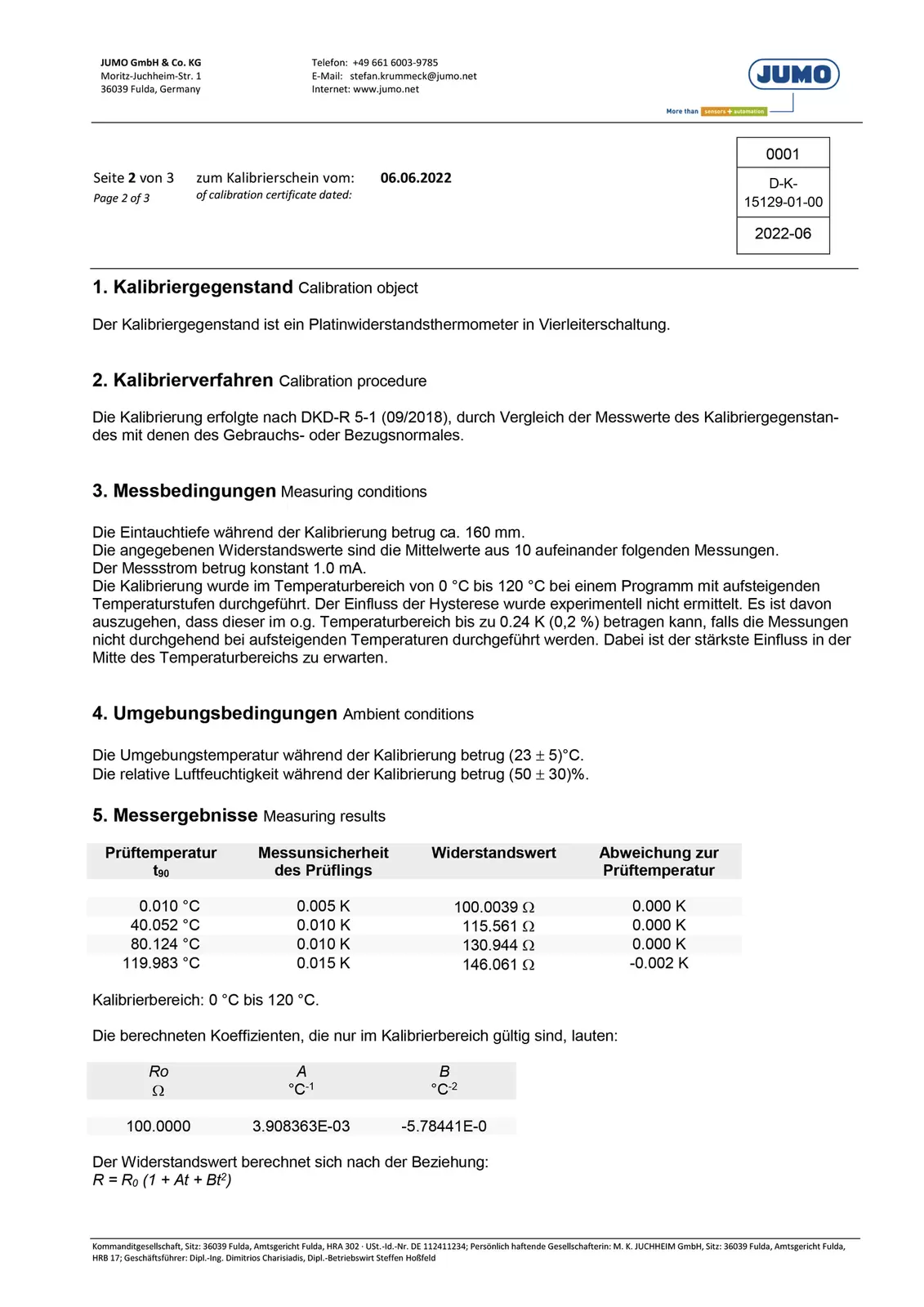
It identifies the instrument and laboratory, describes the method, conditions and results of measurements. Information on uncertainty and traceability is also provided.
What does calibration traceability mean?
The result is linked to the standard through a documented, unbroken chain of calibrations. Each stage brings its share of uncertainty.
How is calibration different from adjustment?
Calibration determines deviations. When adjusting, the instrument settings are changed to reduce the deviation, then the result can be checked by recalibrating.
How is calibration different from verification?
Calibration provides values of deviation and uncertainty. During verification, compliance with established metrological requirements is assessed within the framework of the applicable procedure.