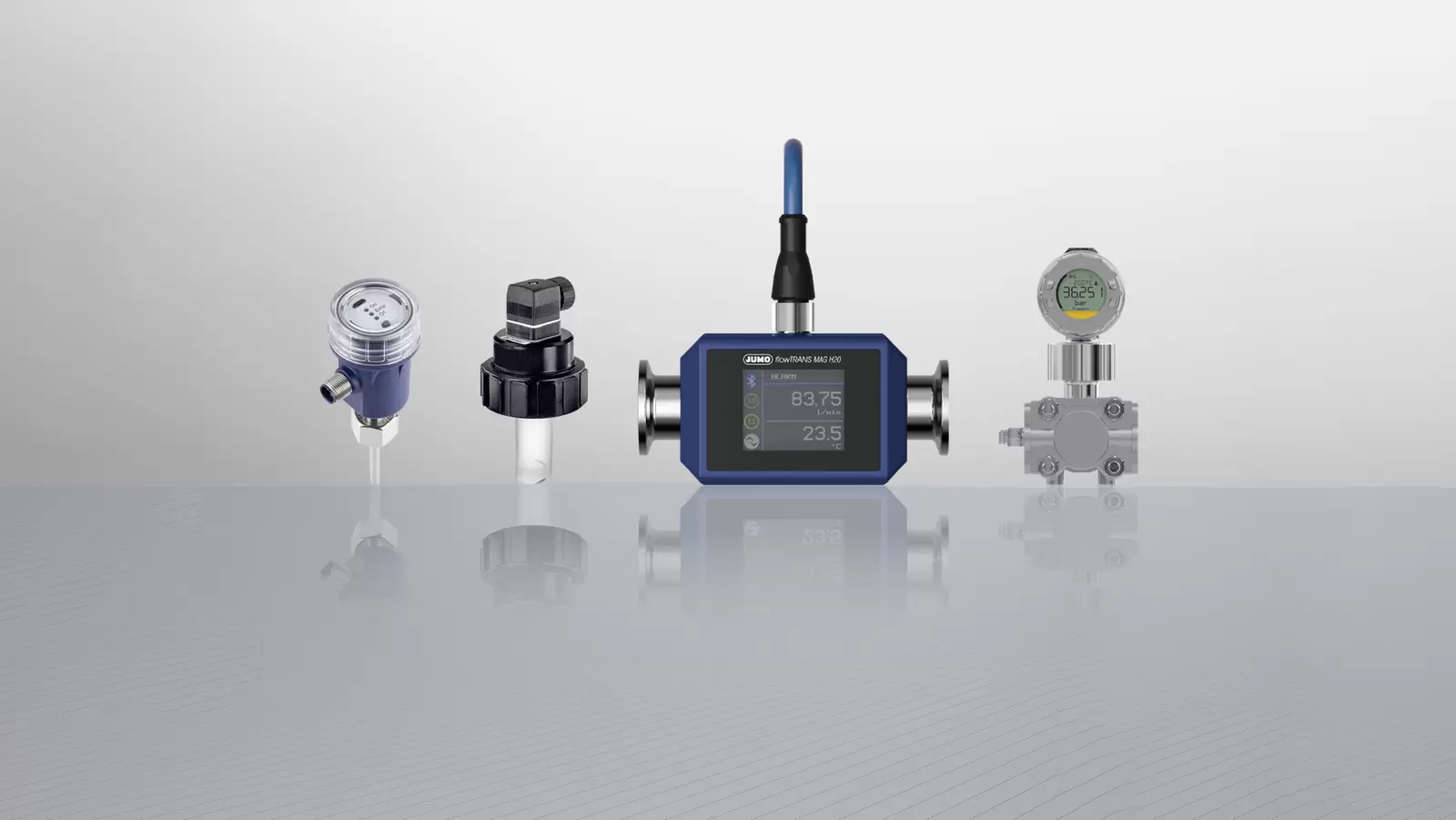
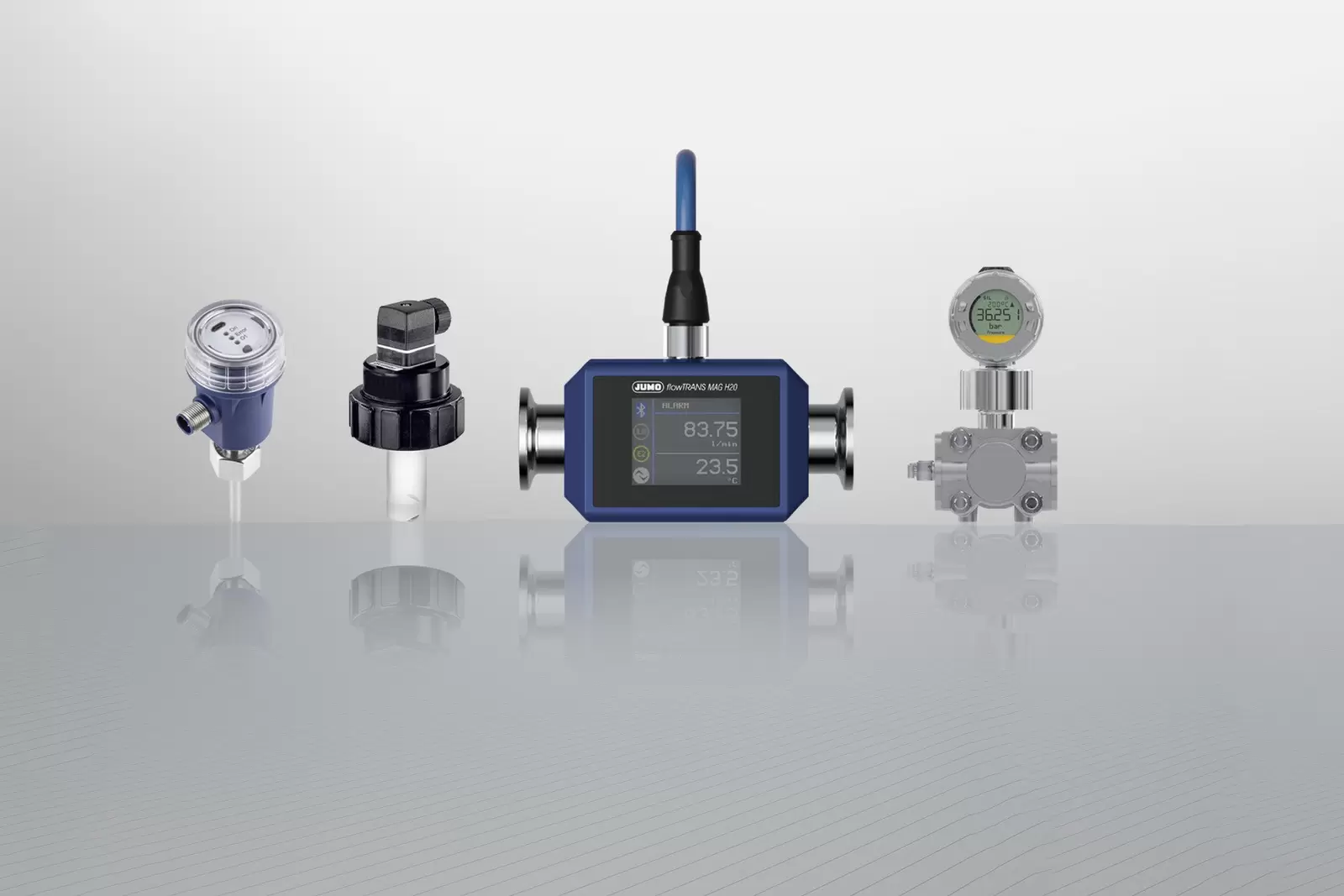
Frequently Asked Questions
Flow measurement: basic principles
Flow is measured in dosing, accounting and process control systems. The properties of the environment and installation conditions determine which method will give a reliable result.
What is expense?
Flow rate is the amount of liquid, gas or steam passing through a pipeline cross-section per unit of time.
Volumetric flow
Volume of medium per unit of time. It is usually indicated in l/h or m³/h.
Mass flow
Mass of the medium per unit time. With a known density, the mass flow can be determined from the volumetric flow. If the density changes, this is taken into account when measuring.
Where is flow measured?
Continuous measurement is used for dosing, process control and environmental monitoring. If you only need to detect the presence of flow, for example to protect the pump from dry running, use a flow alarm.
What are the requirements for flow measurement?
Before selecting a device, determine the operating range, permissible error, media properties, pressure and temperature. Pay attention to the installation position, length of straight sections and permissible pressure loss.
What media are measured by flow meters?
The method is chosen depending on what passes through the pipeline: liquid, gas or steam. Before selecting a device, check the permissible media and operating conditions on the data sheet.
| Wednesday | Coriolis | Electromagnetic | Vortex | Calorimetric | Ultrasonic | By differential pressure | Winged |
|---|---|---|---|---|---|---|---|
| Electrically conductive liquid | Yes | Yes | Yes | Yes | Yes | Yes | Yes |
| Non-conductive liquid | Yes | No | Yes | Yes | Yes | Yes | Yes |
| Gas | Yes | No | Yes | Yes | Yes | Yes | Yes |
| Steam | With restrictions | No | Yes | No | Yes | Yes | No |
What methods are used to measure flow?
Coriolis, electromagnetic, ultrasonic, vortex and calorimetric methods are used in industry. Flow is also determined by the pressure drop across the restriction device or by the rotation speed of the impeller.
Coriolis flow measurement
The flow passes through oscillating measuring tubes. The flow-induced phase shift allows mass flow to be measured directly. The selection takes into account cost, pressure loss and the effect of gas in the liquid.
Electromagnetic flow measurement
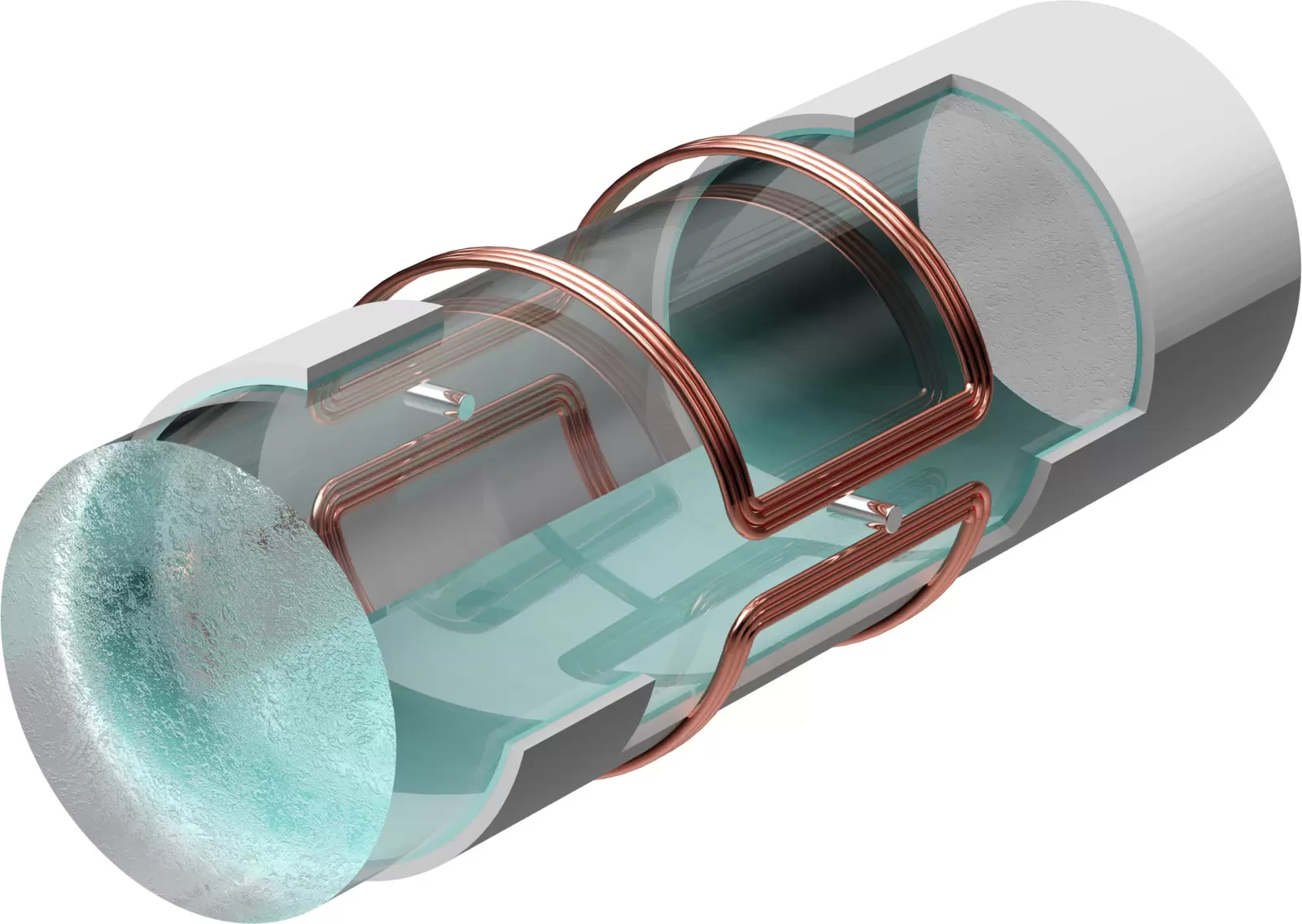
When an electrically conductive fluid moves in a magnetic field, a voltage arises that is proportional to the flow speed. This device is not suitable for gases and non-conductive liquids.
Ultrasonic flow measurement
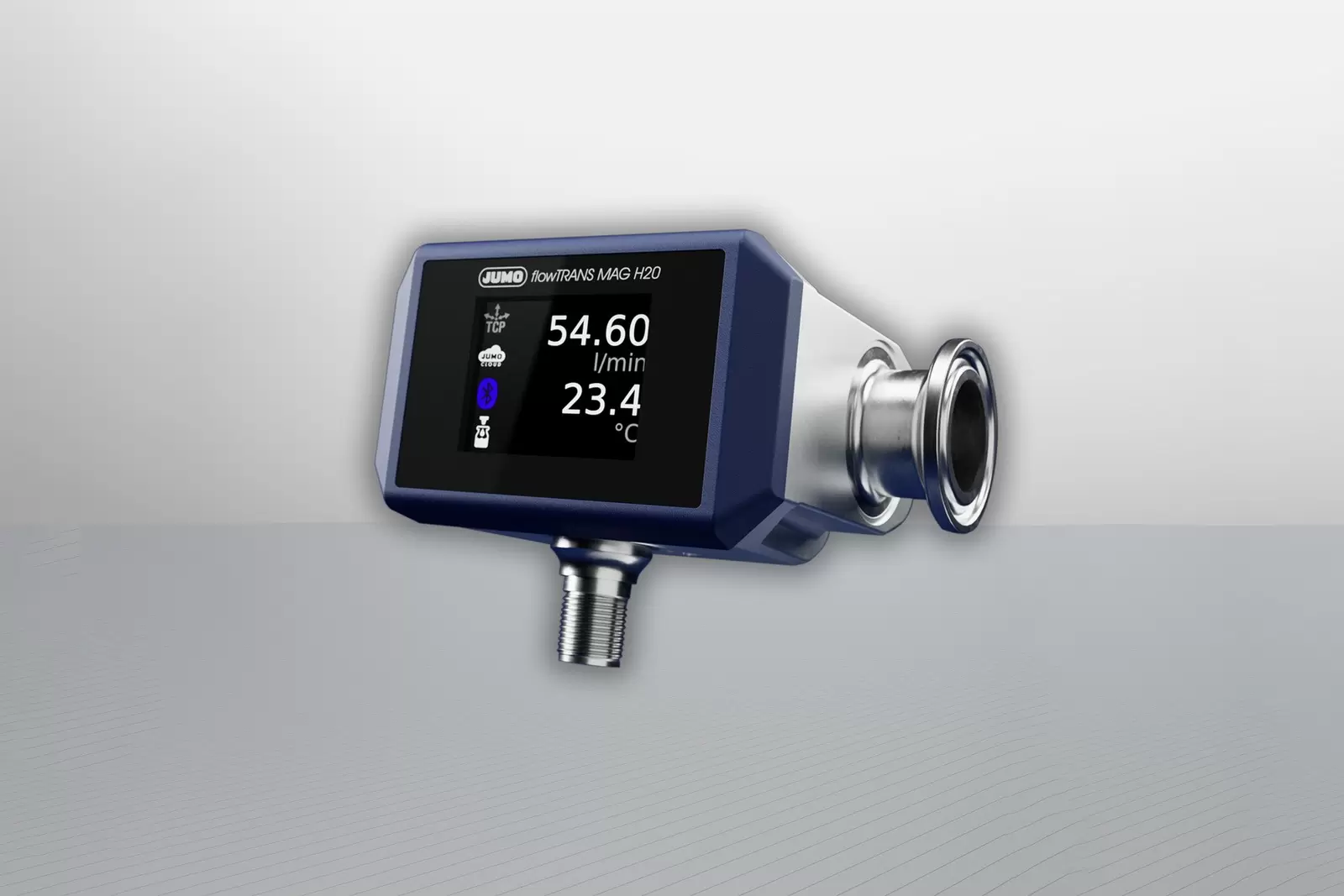
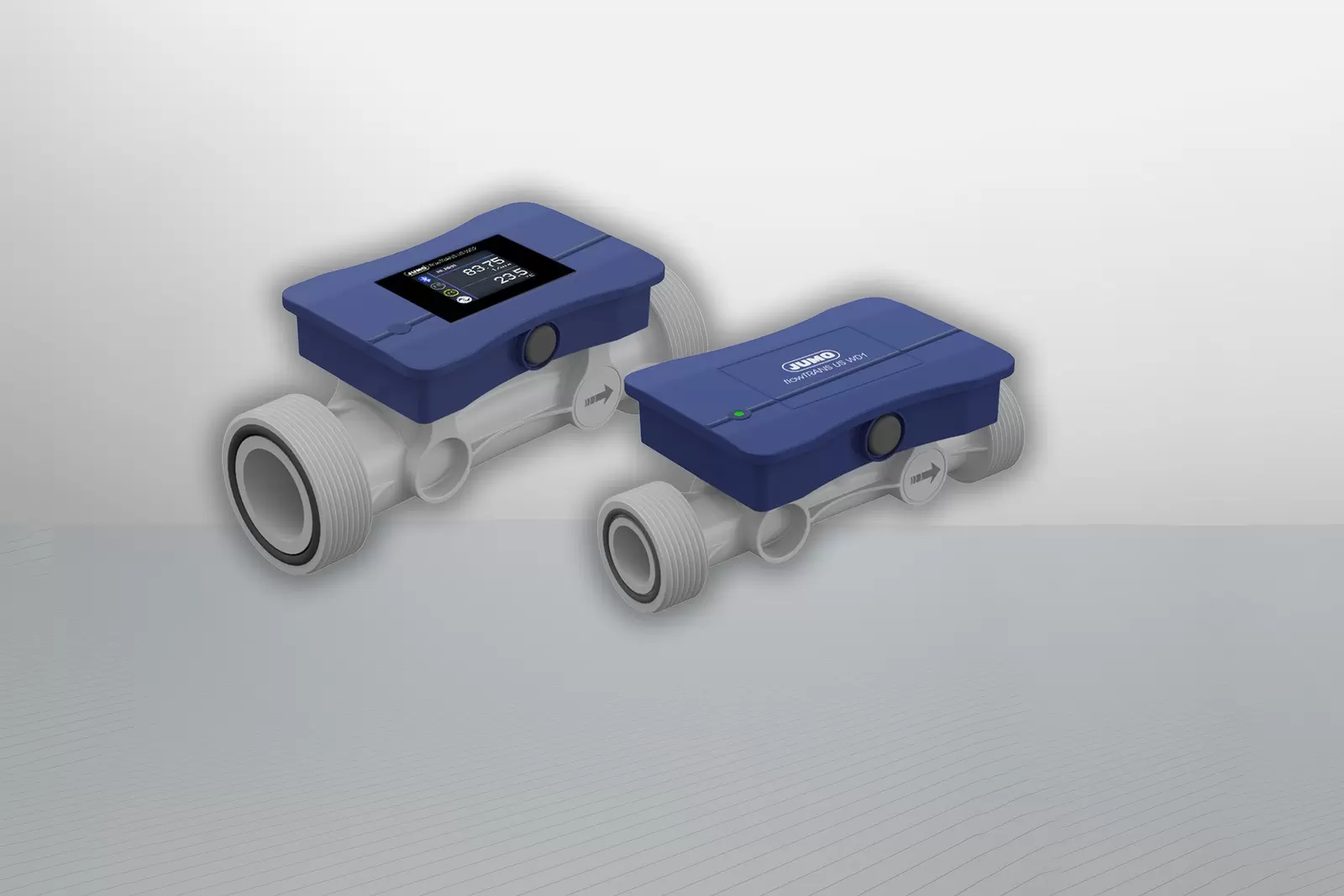
In a flow meter, signals along the flow and against the flow are compared using the ultrasonic travel time. Based on the time difference, the velocity of the medium is determined and the flow rate is calculated.
Vortex flow measurement
Behind the bluff body, vortices are formed in the flow. The frequency of their formation is related to the speed of the medium. The method is used for liquids, gases and steam within the range acceptable for the device.
Calorimetric flow measurement
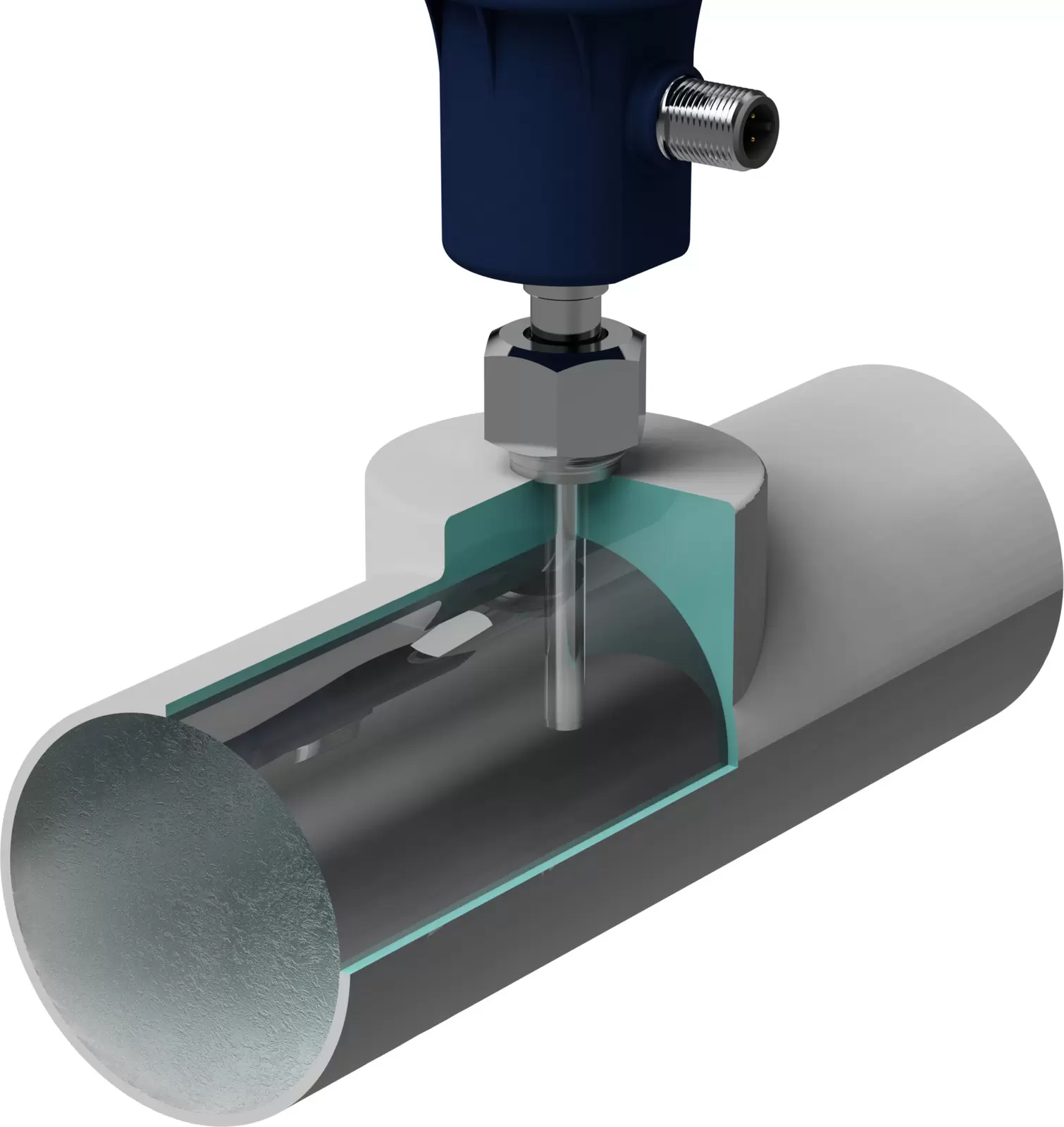
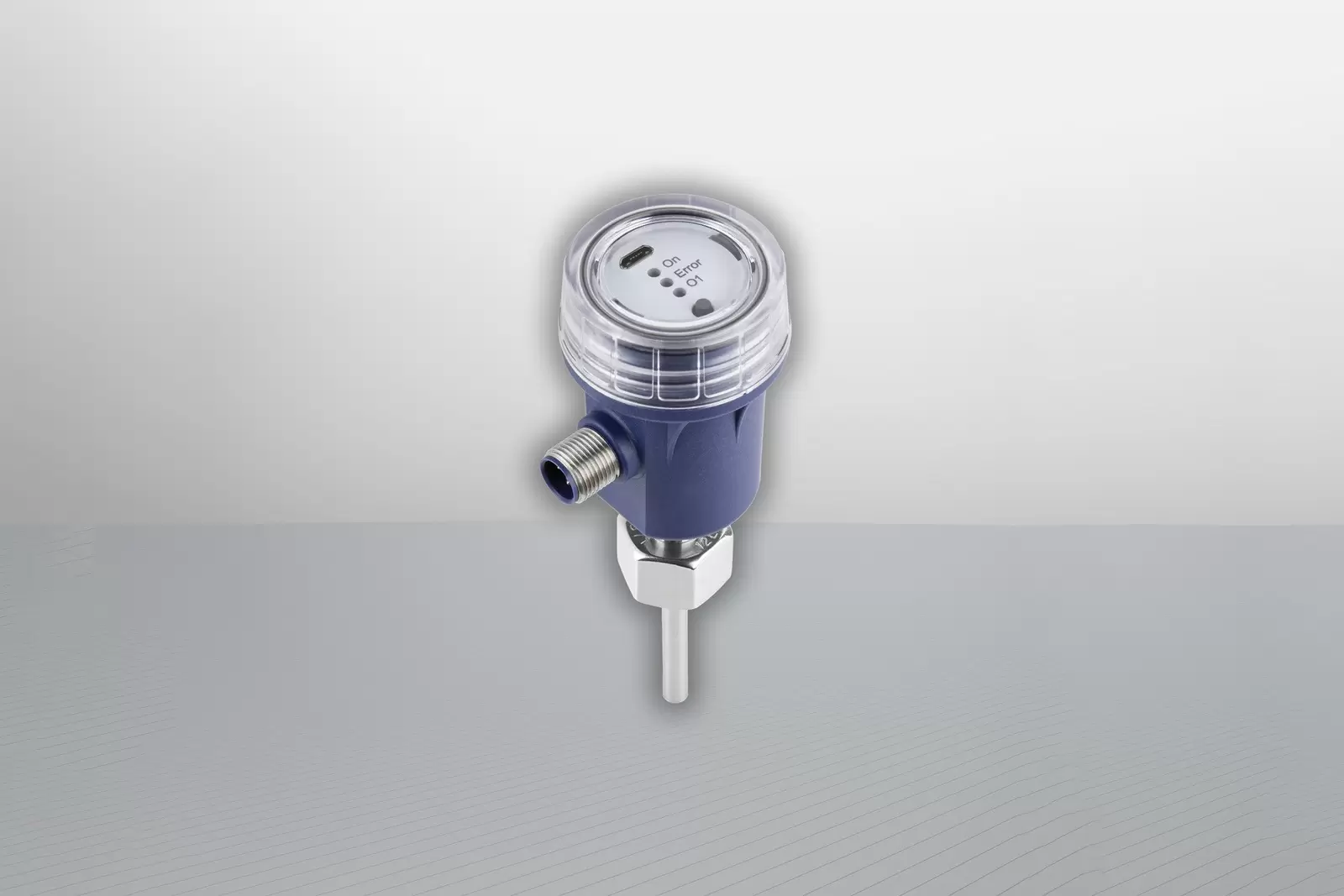
The heated sensing element transfers heat to the flow. The higher the speed of the medium, the greater the power required to maintain a given temperature difference.
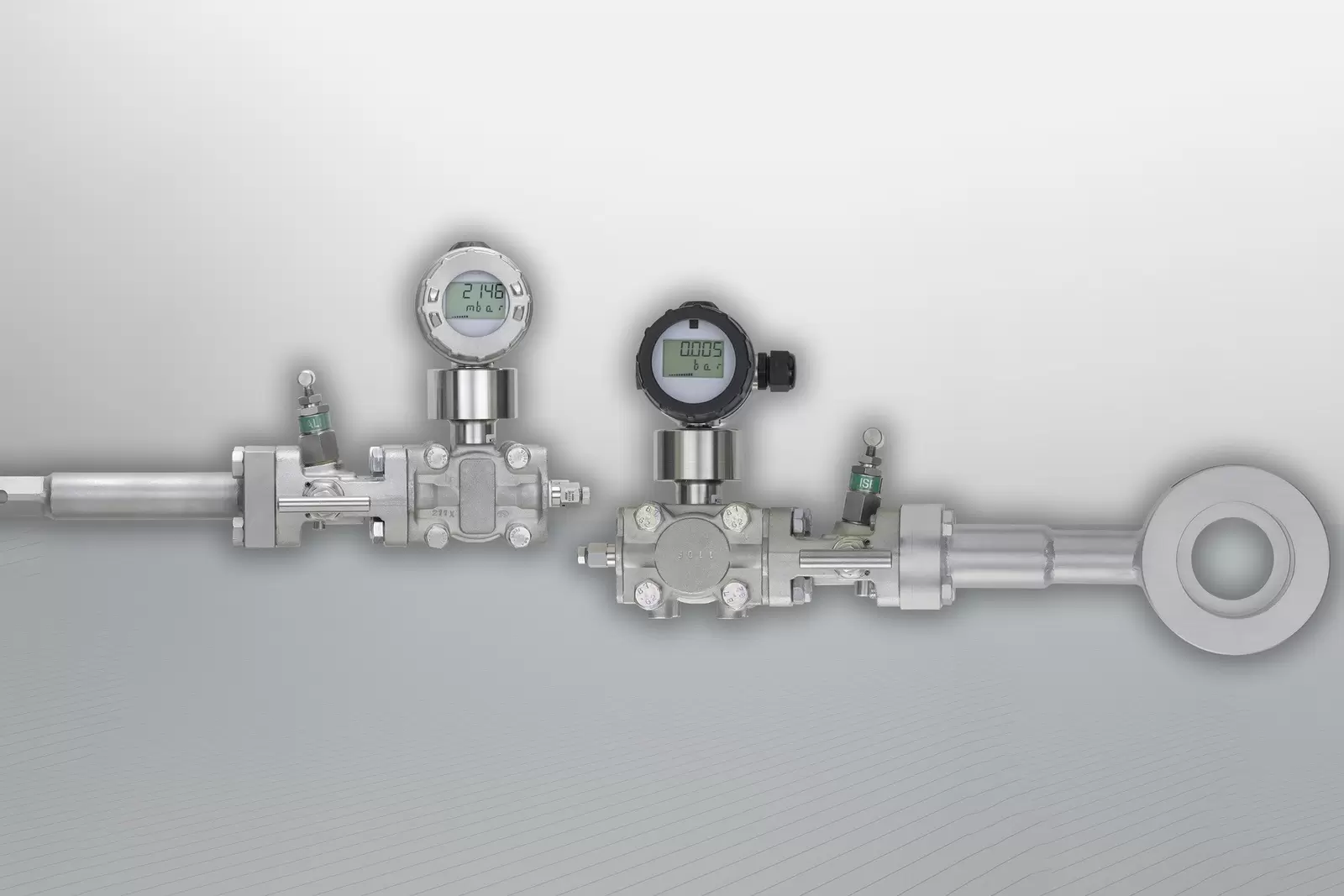
Differential pressure flow measurement
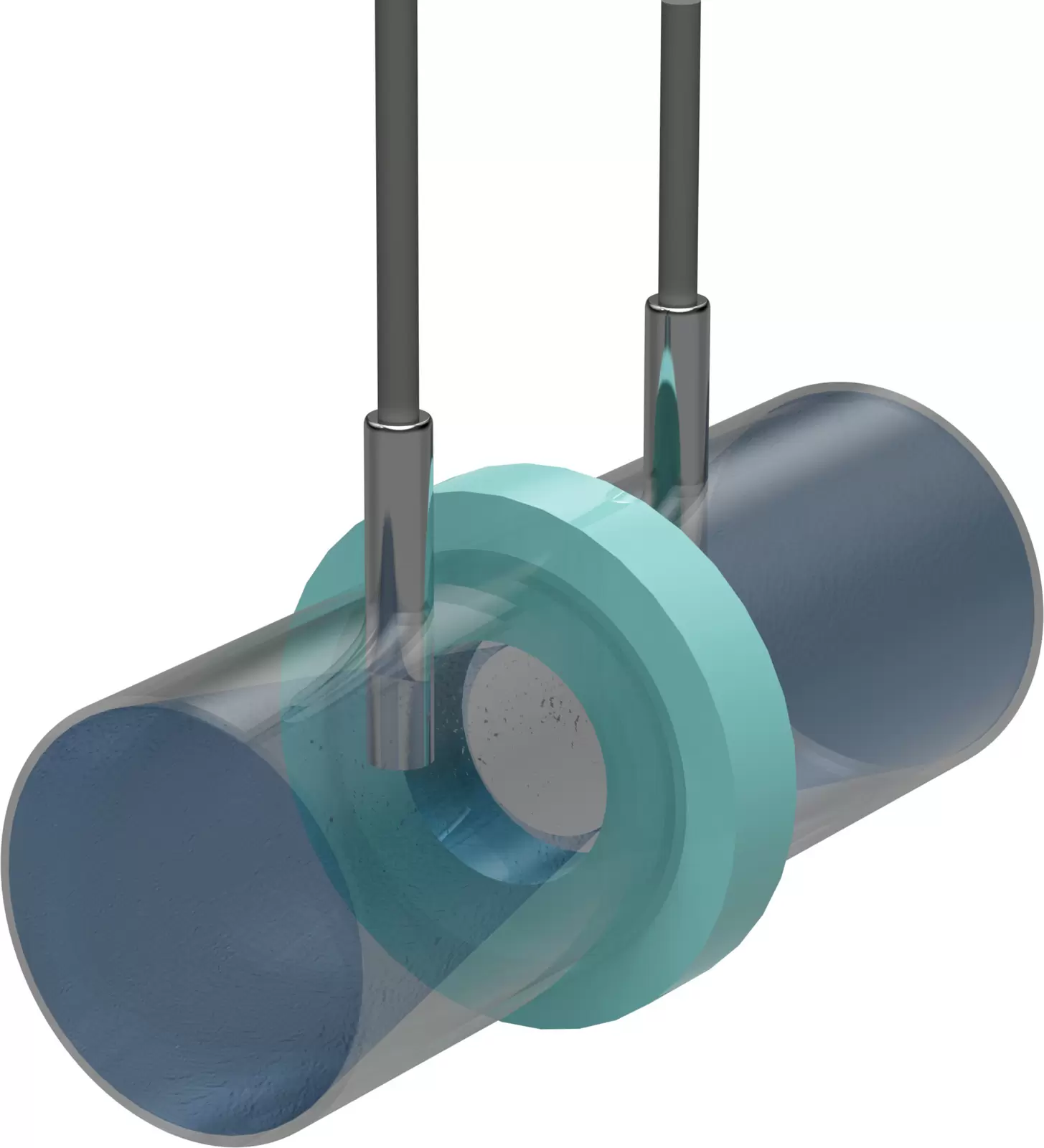
A diaphragm, venturi, or other primary device creates a pressure difference. The flow rate is determined by this difference, taking into account the geometry of the measuring unit and the properties of the medium.
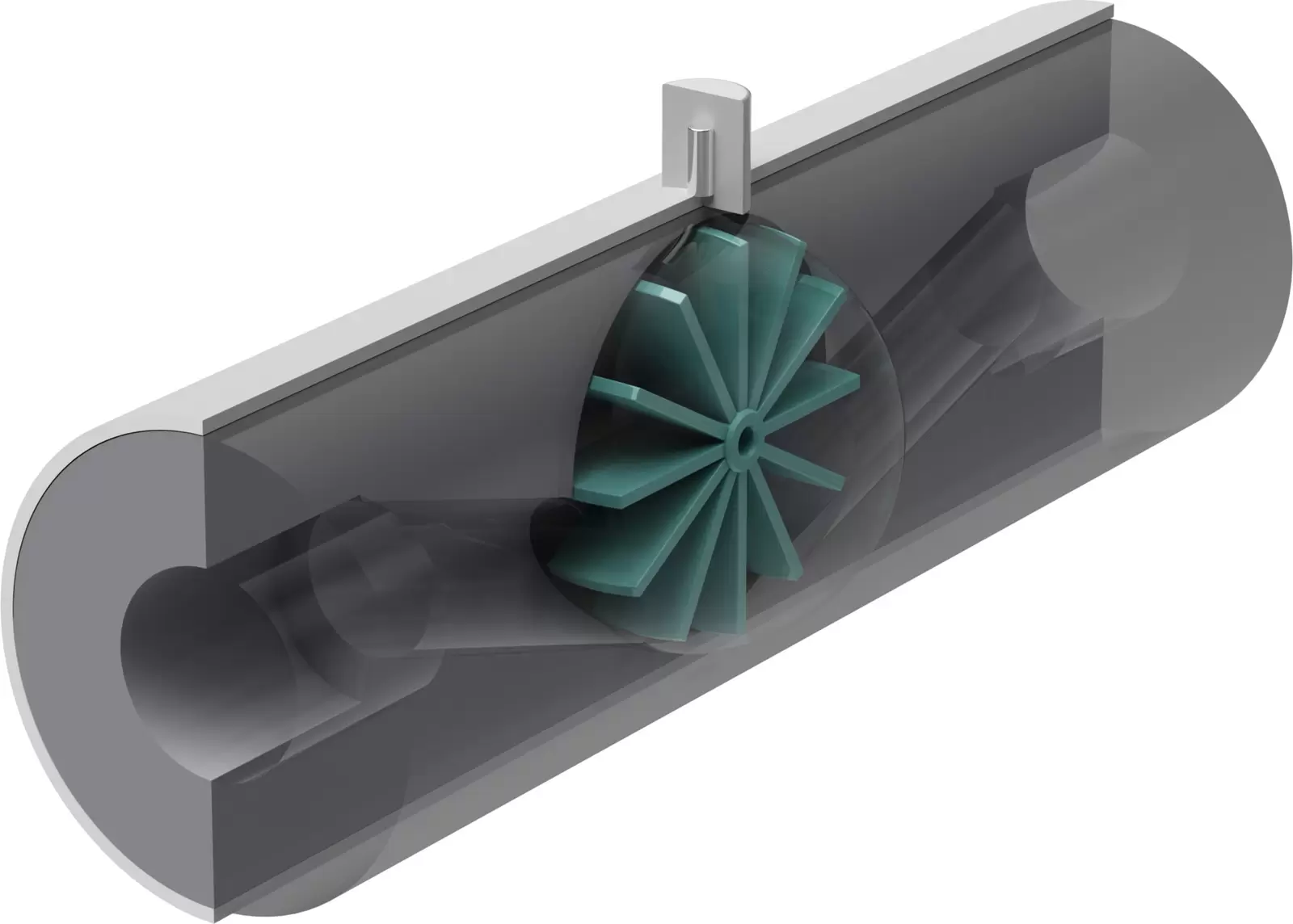
Impeller flow measurement
The flow rotates the impeller, and the sensor generates pulses. Their frequency is related to the flow speed. At low flow rates, the threshold for starting rotation is taken into account, and during operation, the condition of the moving parts is taken into account.
How to choose a flow meter?
Start with the medium properties and the required flow range. Then check the accuracy, wetted parts material, installation conditions and permissible pressure loss. For hazardous areas and custody transfer applications, confirm the configuration requirements separately.