Hydrogen sensors – the most important facts at a glance
Hydrogen
Hydrogen, often referred to as H2, is considered a key element of the energy transition. Produced from renewable energy sources, it forms a C02-free bridge between the energy sectors of electricity, heat and transport (sector coupling). Hydrogen also allows large amounts of energy to be stored for months, similar to natural gas today. Hydrogen as an energy source can therefore significantly reduce CO2 emissions. In the following article you can learn more about the applications of hydrogen and the challenges associated with the sensing technology used.What is a hydrogen sensor?
A classic hydrogen sensor detects and measures the concentration of hydrogen gas in an application environment. In addition, sensors for many other measured variables are also used in hydrogen production and in H2 Therefore, smooth handling of hydrogen requires the interaction of various sensors.
Where are hydrogen sensors used?
Typical applications can be found throughout the energy sector in the production, storage, transportation and use of H.2These include, but are not limited to, electrolysers, storage systems, hydrogen refueling stations, synthesizers and fuel cell systems. In addition, there are traditional natural gas systems, such as gas burners and gas engines, that are converted to run on hydrogen. In industry, hydrogen is used as a raw material for the production of ammonia, methanol and other chemical compounds.
Applications of hydrogen
What role do hydrogen colors play in the choice of sensor technology?
Whether blue, grey, turquoise or green hydrogen: the color of hydrogen does not play a central role in choosing the appropriate measurement technology. After all, the color designation does not indicate the properties of the gas, but the type of extraction. Green hydrogen, for example, is a climate-neutral gas as it is produced using 100% renewable energy via electrolysis. With gray hydrogen, on the other hand, the hydrogen in natural gas is converted by steam and CO2 What is released during the process is released into the atmosphere. Blue hydrogen is produced in the same way as gray hydrogen, but is produced from CO2 Turquoise hydrogen produced during the thermal decomposition of methane is stored.
What problems do H2 sensors encounter?
H2 is the lowest density element in the periodic table. Hydrogen is 14 times lighter than air, has the highest diffusivity compared to other gases and places special demands on the material for sensors and seals. This means that not every sensor in industrial applications is suitable for direct contact with hydrogen. In addition, the high calorific value and high flammability of this “light” gas require special attention from the point of view of functional safety and explosion protection. To ensure safe operation, leaks in storage tanks or during transport must be avoided at all costs.
What sensors are needed when using hydrogen?
In addition to hydrogen sensors, pressure, temperature, humidity, flow, level and conductivity sensors are mainly used to measure hydrogen concentration. Modern digital sensors offer the possibility of integration into an intelligent sensor network via PROFIBUS / PROFINET and IO-Link or transmitting measurement data directly to the cloud via Single Pair Ethernet (SPE). In this way, measurement and process data can be recorded and analyzed in real time.
What types of hydrogen sensors are there?
Hydrogen sensors operate in different ways, depending on the underlying technology:
Electrochemical sensors
These H2 The sensors use an electrochemical cell in which the reaction between hydrogen and an electrode generates a measurable electrical signal. They are well suited for accurate measurements at low concentrations.
Semiconductor gas sensors
Semiconductor gas sensors measure changes in the electrical properties of a semiconductor material caused by the presence of hydrogen. They are relatively inexpensive and react quickly, but can be affected by other gases.
Optical sensors
The optical measurement system uses the principle of light absorption or scattering to detect hydrogen concentrations. Sensor technology has a high degree of accuracy and is often reliable, but can be expensive.
Thermal conductivity sensors
These hydrogen sensors measure changes in air thermal conductivity caused by the presence of hydrogen. They are well suited for measuring high concentrations, but are less sensitive at low concentrations.
Wasserstoff-Anwendungen
Where are conductivity sensors used in a hydrogen environment?
Reliable production of ultrapure water from drinking water, purified well water or seawater is fundamental to water electrolysis. After all, all minerals and salts must first be removed by reverse osmosis or other methods to be able to produce hydrogen of the required purity. Comparative measurement of conductivity before and after reverse osmosis ensures the success of water treatment. This often involves the use of multi-channel measurement devices that can measure, monitor, record and display other measured variables in addition to conductivity, such as flow rate, pH value, ultrapure water resistance or hydrogen peroxide content.
What hydrogen pressure sensors are used?
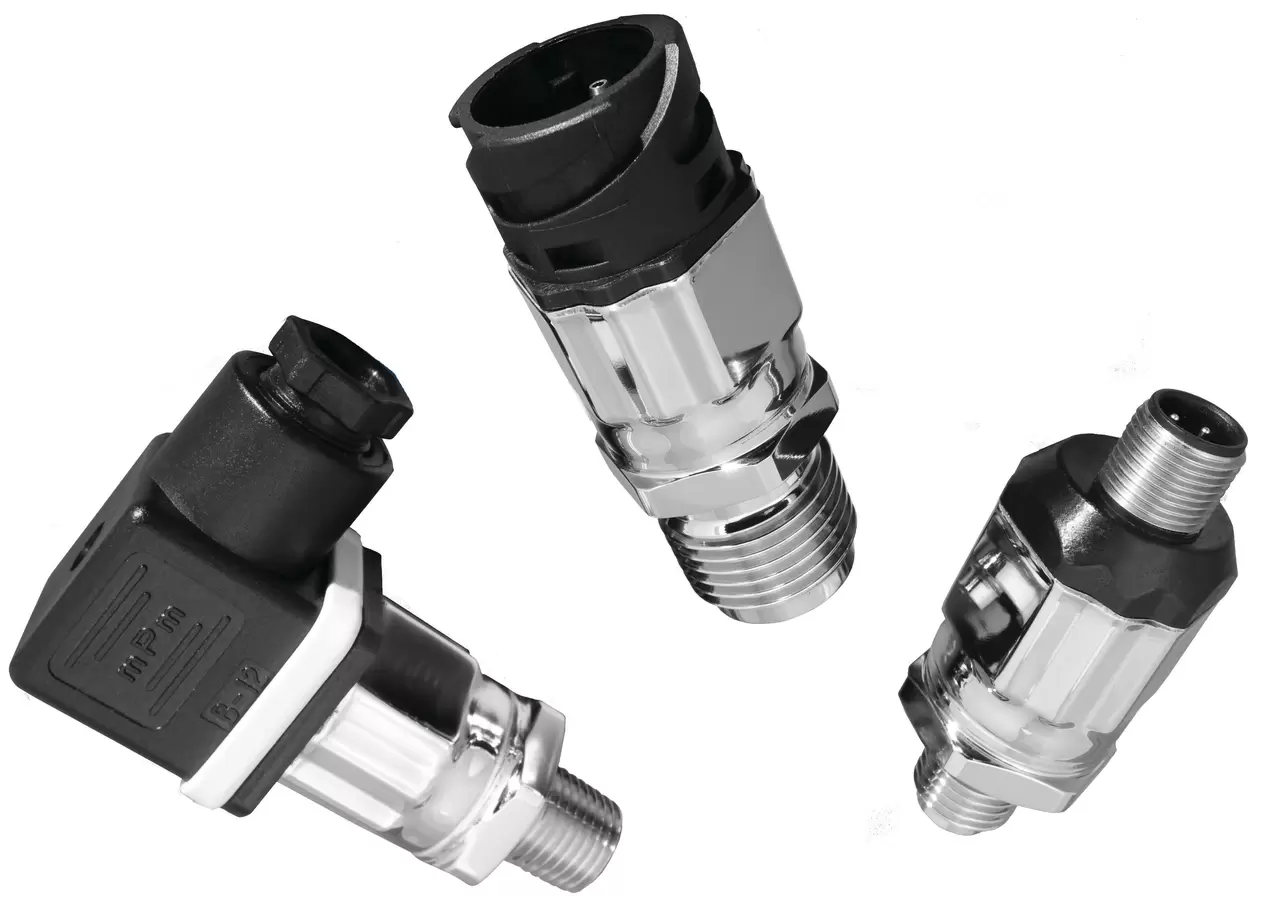
In the most common applications of hydrogen, it is necessary to measure the pressure of hydrogen gas. Low pressures predominate in electrolyzers and fuel cell systems. So-called piezoresistive sensors are mainly used here. Hydrogen is compressed to very high pressures up to 700 bar for transport and storage. High pressure sensors using thin film technology are then used to measure pressure.
Different versions of pressure sensors are available for all pressure levels (eg with or without local display). Special approvals guarantee safety when handling hydrogen (e.g. for explosion protection [ATEX], functional safety [SIL] or for use on ships [DNV]).
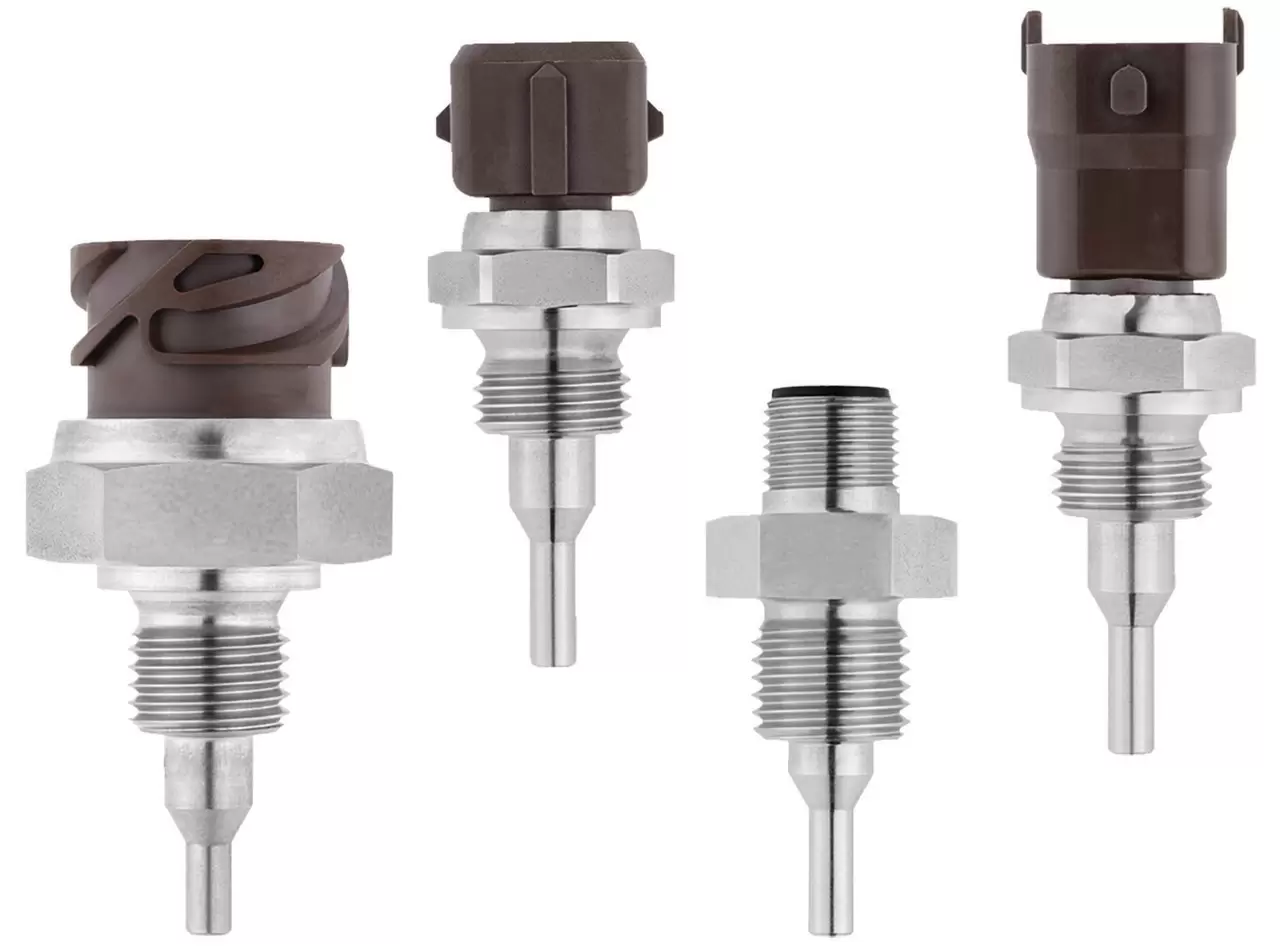
What are hydrogen temperature sensors made of?
If temperature sensors are in direct contact with H2, the sensor material in contact with the medium must be selected appropriately. To ensure good resistance in hydrogen, the sensor tube is usually made of stainless steel AISI 316L (material No. 1.4404), stainless, austenitic chromium-nickel-molybdenum steel. For particularly high temperatures, such as those encountered in solid oxide fuel cells (SOFC) or electrolysers (SOEL), shell thermocouples made from 2.4816 material, a non-hardening nickel-chromium-iron alloy, are also used.
What technologies are used to measure hydrogen flow?
Hydrogen powertrain is used in an increasing number of industrial applications. There are also efforts and projects underway that blend hydrogen with the existing natural gas network. There are also plans to create a European hydrogen highway, a pipeline network that will transport clean hydrogen within Europe. As a result, hydrogen flow meters are becoming increasingly important.
The most commonly used flow measurement technologies are ultrasonic measurement, Coriolis measurement and variable area method. The exact amount of gas can then be calculated taking into account pressure and temperature conditions.
What should you consider when choosing hydrogen level sensors?
For the intermediate storage and transport of liquid hydrogen, liquid hydrogen derivatives or liquid organic hydrogen carriers (LOHC), special tanks with sophisticated sensor technology are required for level measurement and reliable monitoring. The selection of a suitable measuring device depends on the respective application. If it is only necessary to detect or prevent dry running or overfilling, limit switches are usually sufficient. If it is necessary to measure the exact filling level of a hydrogen tank, you can use, for example, hydrostatic fill level sensors or a float switch.
What does the test HGV 3.1 say?
The HGV 3.1 test is a standardized CSA ANSI HGV 3.1 test procedure that has been developed specifically for hydrogen refueling systems. It is conducted by independent testing laboratories and defines the safety, reliability and performance requirements of components in hydrogen applications, such as those contained in refueling stations, electrolysers and storage systems. Properties tested include, but are not limited to, leakage rate, hydrostatic strength, vibration resistance, stress corrosion cracking and electrical insulation. Products that pass the test are considered safe for use in hydrogen-demanding applications.
Do hydrogen sensors need calibration?
All sensors used in hydrogen solutions must be regularly calibrated to meet the stringent H specifications.2 infrastructure and provide accurate measurements. After all, drift due to aging can lead to changes in sensitivity and accuracy. Frequency calibration Depending on various factors such as sensor type, operating conditions and specific application requirements, regular and thorough calibration is especially important in safety-critical applications such as the chemical industry or when using hydrogen as a fuel.
which H2 Are the sensors correct?
Depending on individual requirements, several different types of sensors are commonly used in hydrogen applications. The better they are coordinated, the better the process efficiency. It is also possible to automate and evaluate process data using modern cloud solutions. To meet the complexity of all requirements, it may be helpful to contact an experienced sensor manufacturer.
Our services