Automation
Programmable logic controllers
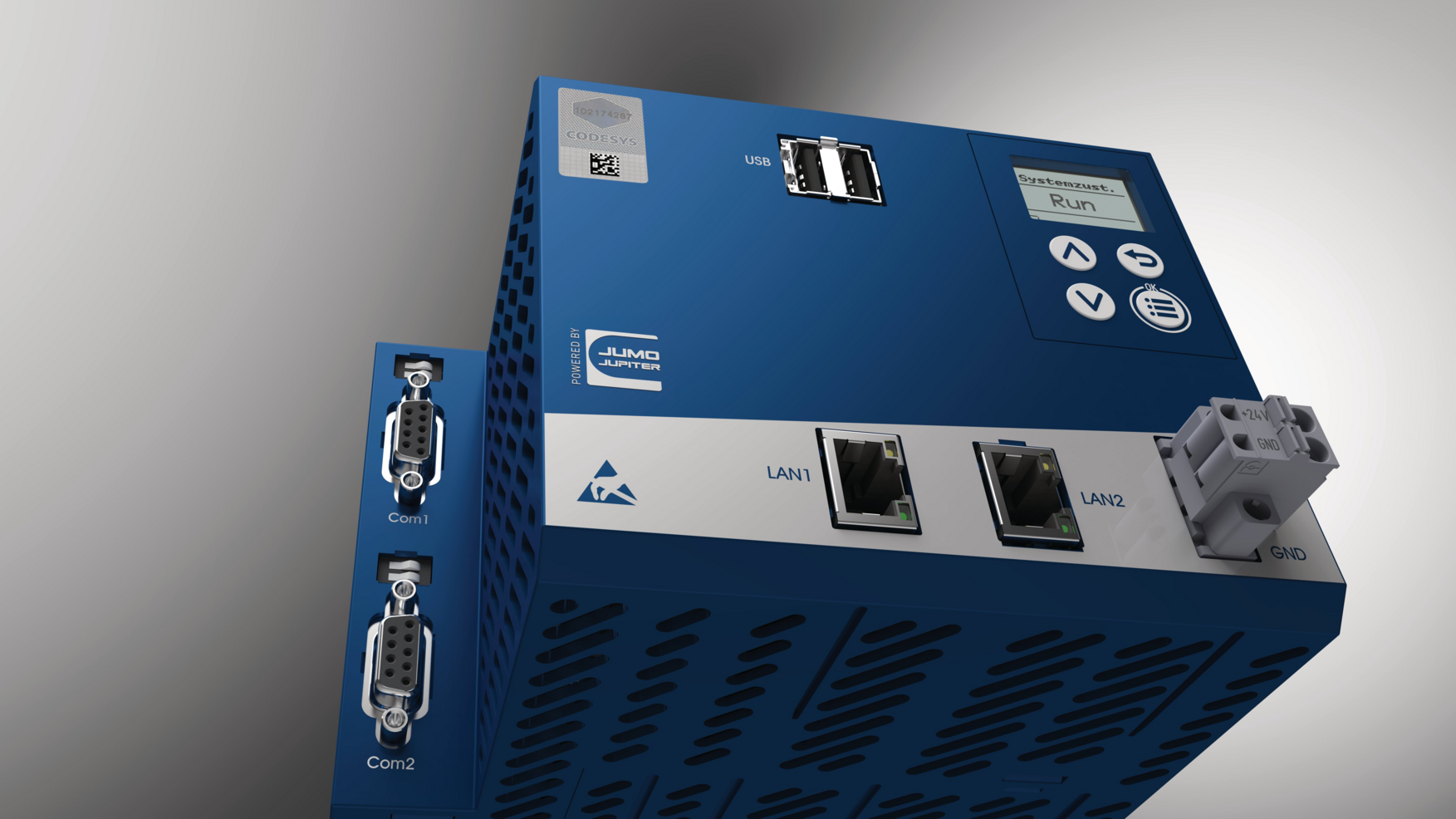
A PLC executes a given program and controls machines and processes using input signals.
Why is automation widely used?
Automation ensures repeatable operations, monitors process parameters and helps detect deviations in a timely manner.
What is PLC?
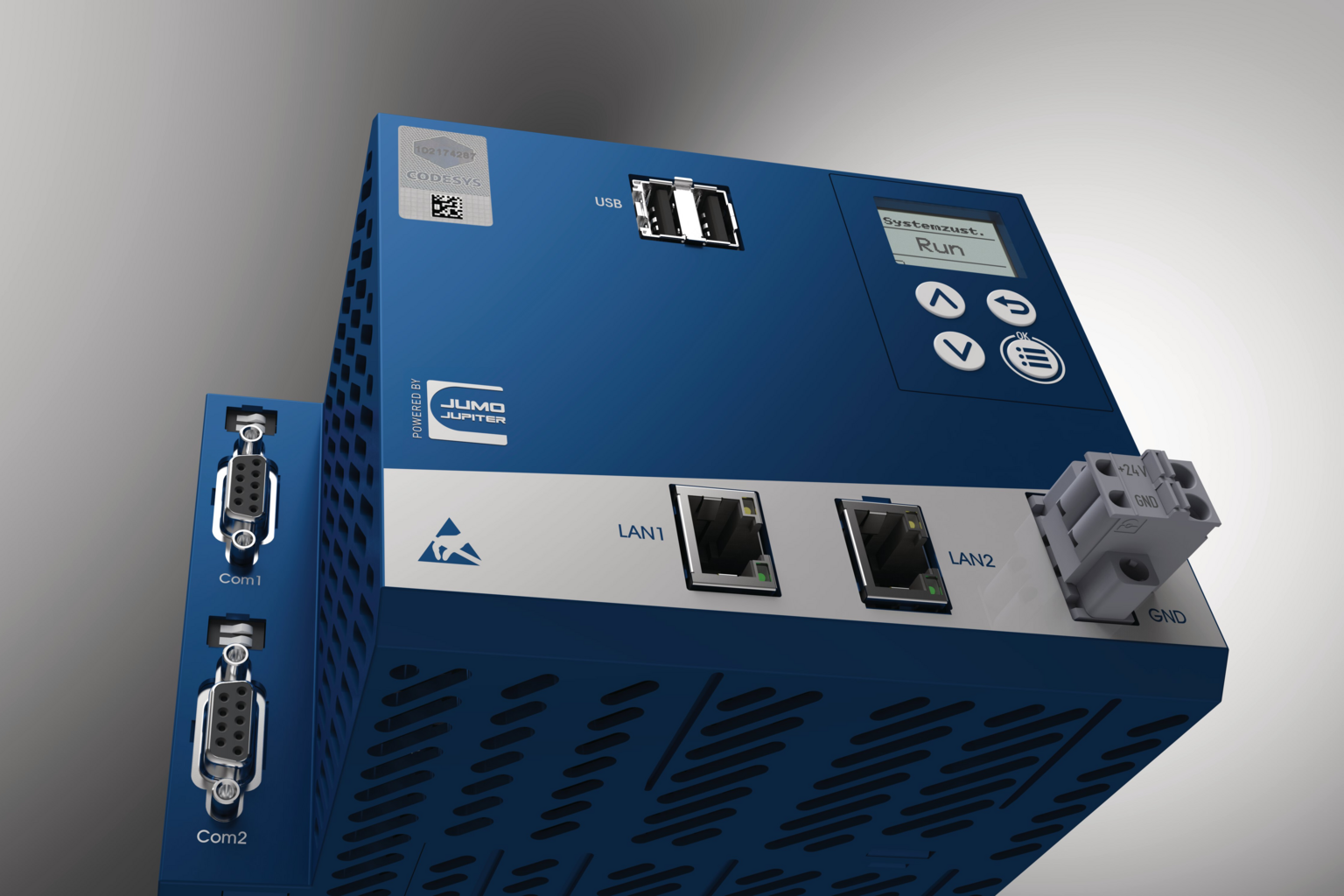
The programmable logic controller reads the input signals, executes the algorithm, and controls the outputs. The PLC is designed to work in industrial installations.
What types of programmable controllers are there?
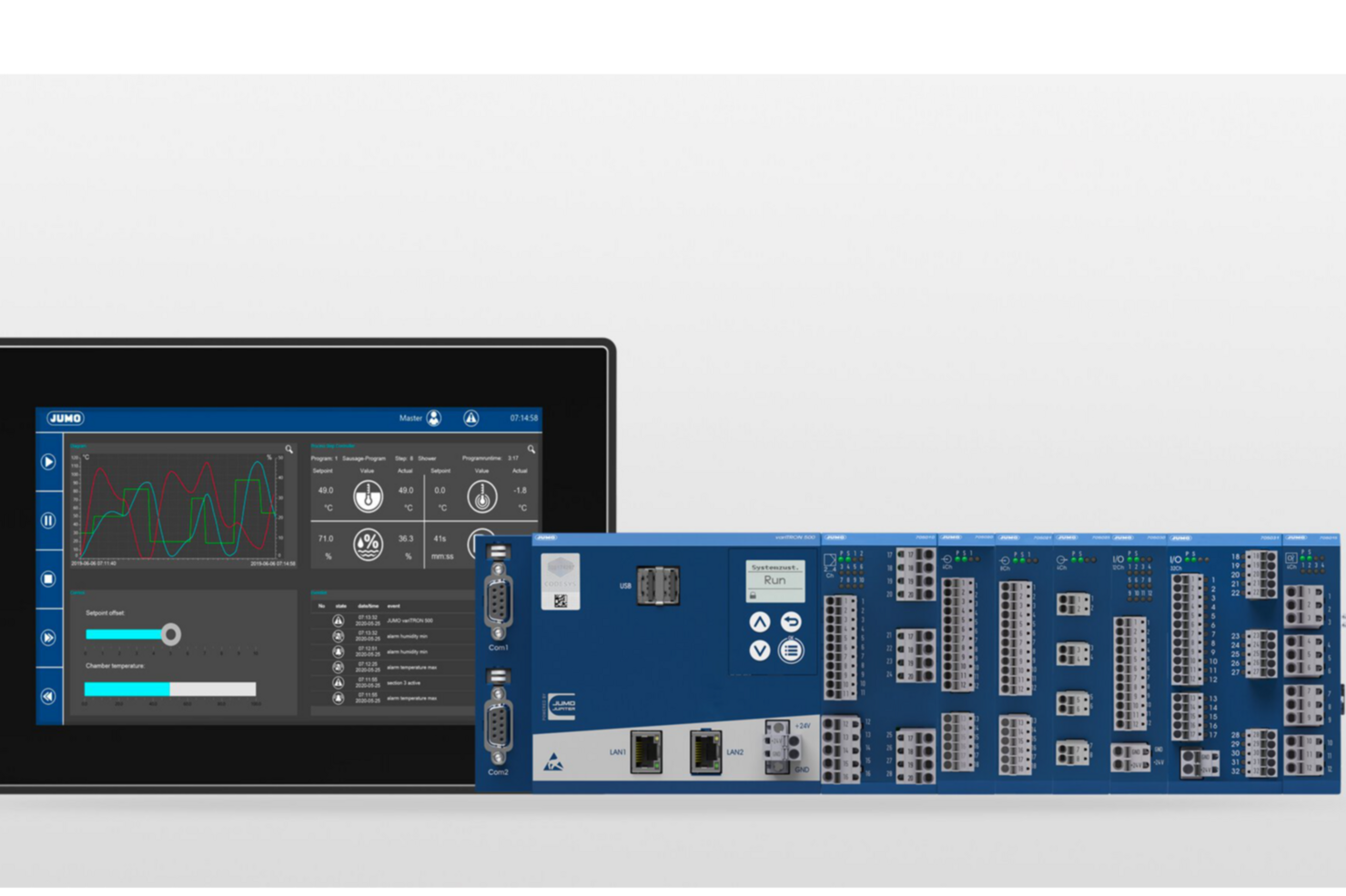
The design is selected based on the number of inputs and outputs, performance, installation conditions and safety requirements.
Compact PLC
The processor and standard interfaces are combined in one housing. This option is convenient if the composition of the signals is known in advance.
Modular PLC
The processor is supplemented with modules for a specific installation. The composition of inputs, outputs and network interfaces can be changed.
Safety PLC
The controller performs the safety functions provided for by the design. Requirements for architecture, components and software are determined separately.
Why are input and output modules needed?
Input modules receive signals from sensors, buttons, and other devices. Output modules control actuators, relays, valves and alarms.
How were processes automated before the advent of PLCs?
The algorithms were specified by wired connections of relays, contactors and timers. Changing the logic required changing the electrical connections.
What is a PLC program?
It is a sequence of rules for processing inputs, computing and controlling outputs. The program is created in an engineering environment and tested before loading into the controller.
What programming languages do PLCs use?
The choice depends on the task, the engineering environment, and the languages supported by the controller. Different representations are used for logic, data processing, and sequences.
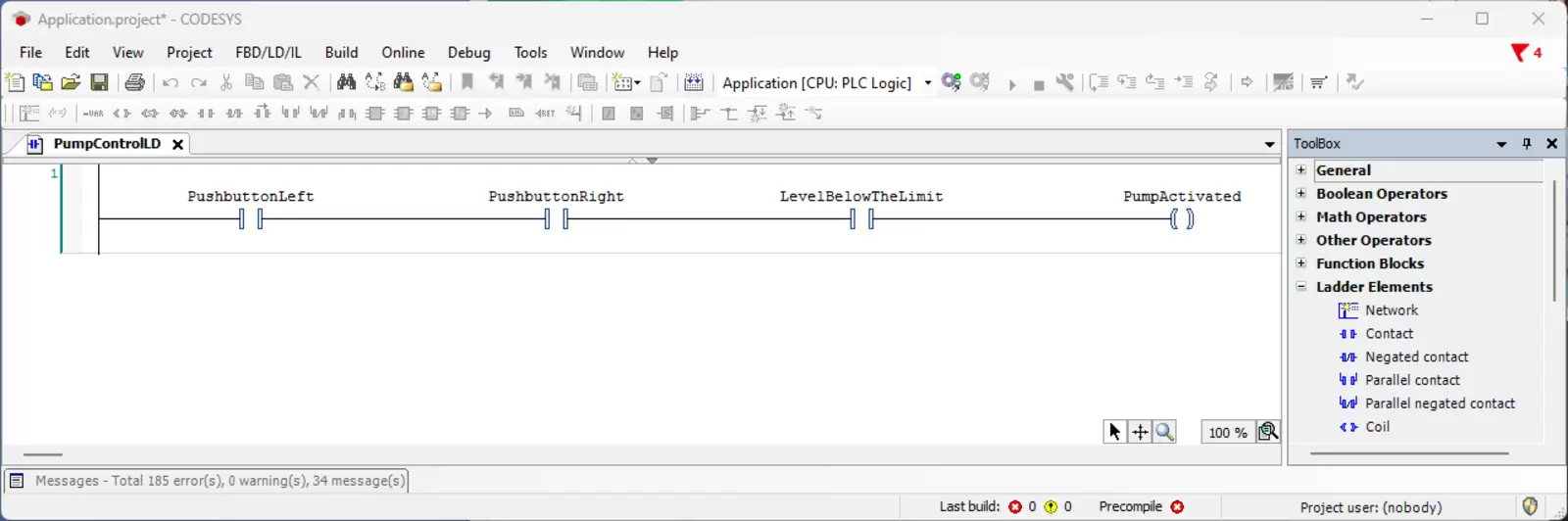
Ladder logic
The graphical circuit with contacts and coils is similar to the electrical circuit of a relay control.

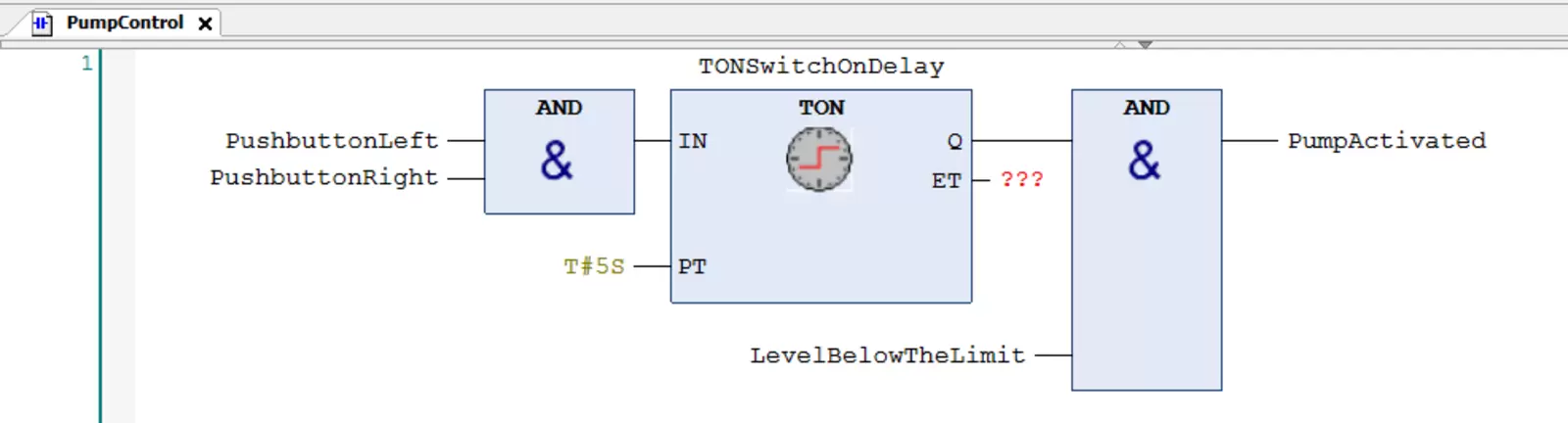
Function block diagram
Functions are represented by blocks with inputs and outputs that are linked into an algorithm.
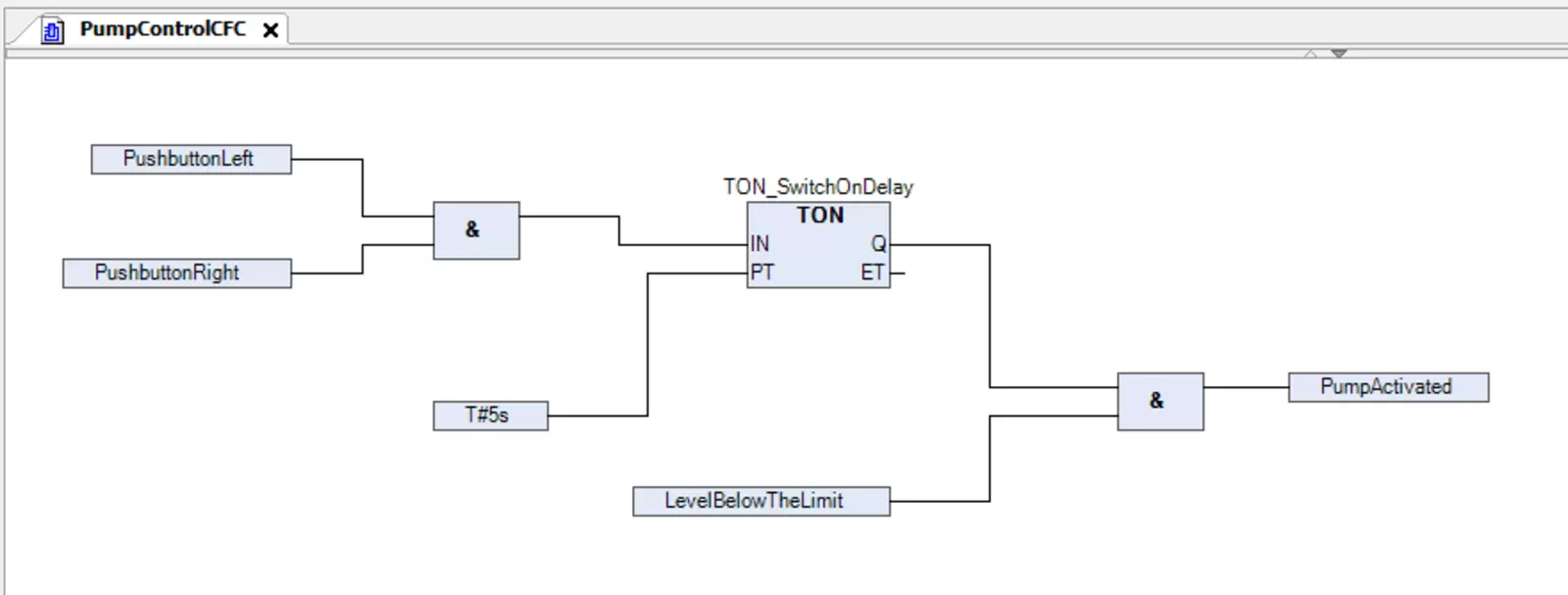
Continuous Function Chart
Free arrangement of blocks helps to visualize the relationships in a complex algorithm.
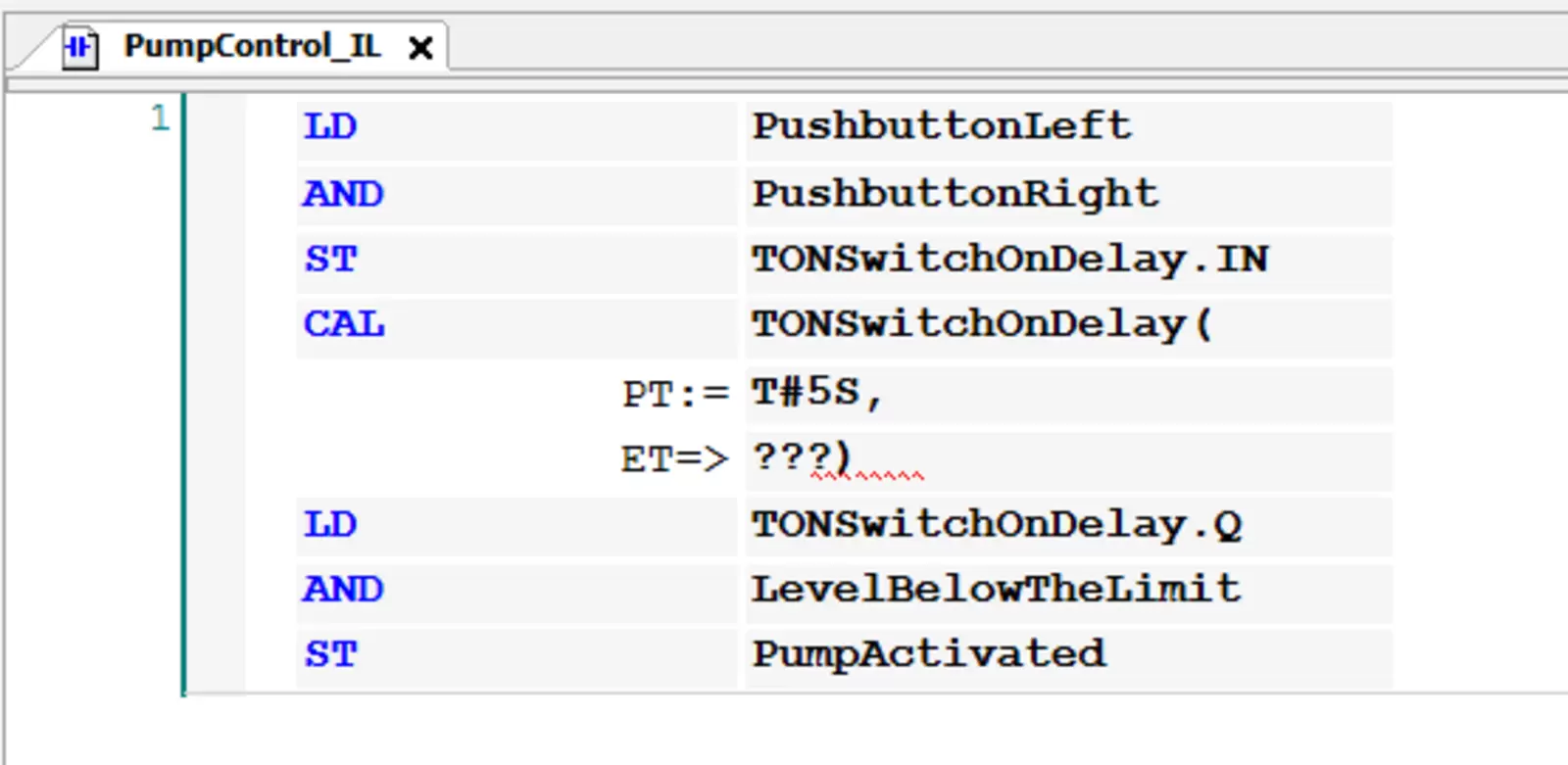
List of instructions
The text representation specifies operations by strings. It can be found in existing projects.
Structured text
Text language is used for calculations, conditions, cycles and data processing.

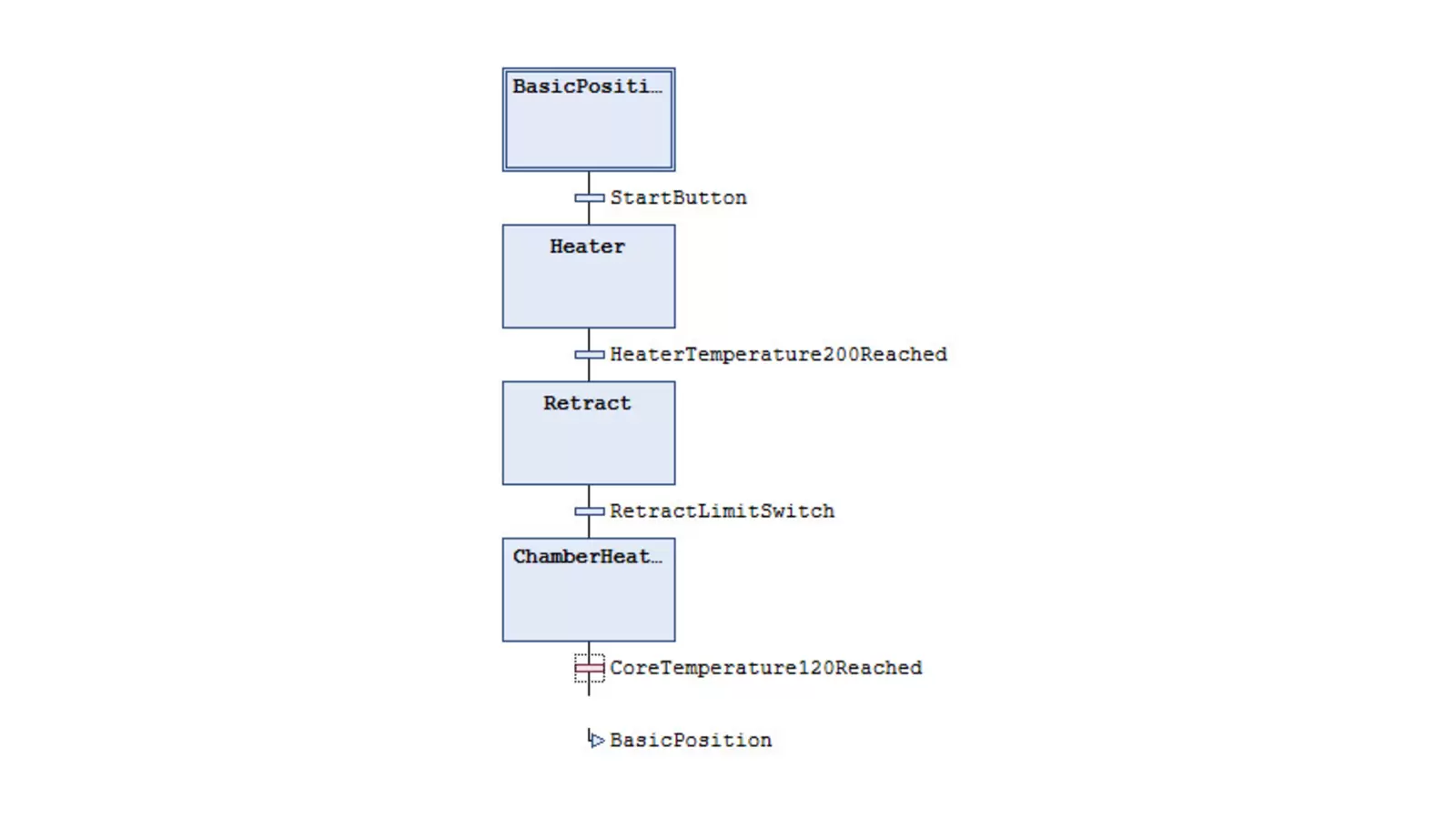
How is sequential control implemented?
The process is broken down into steps. Once the transition condition is satisfied, the controller activates the next step and its associated actions.
What other functions does a PLC perform?
The controllers provide communication with other devices, diagnostics, alarm handling, data collection and operation with the operator interface.