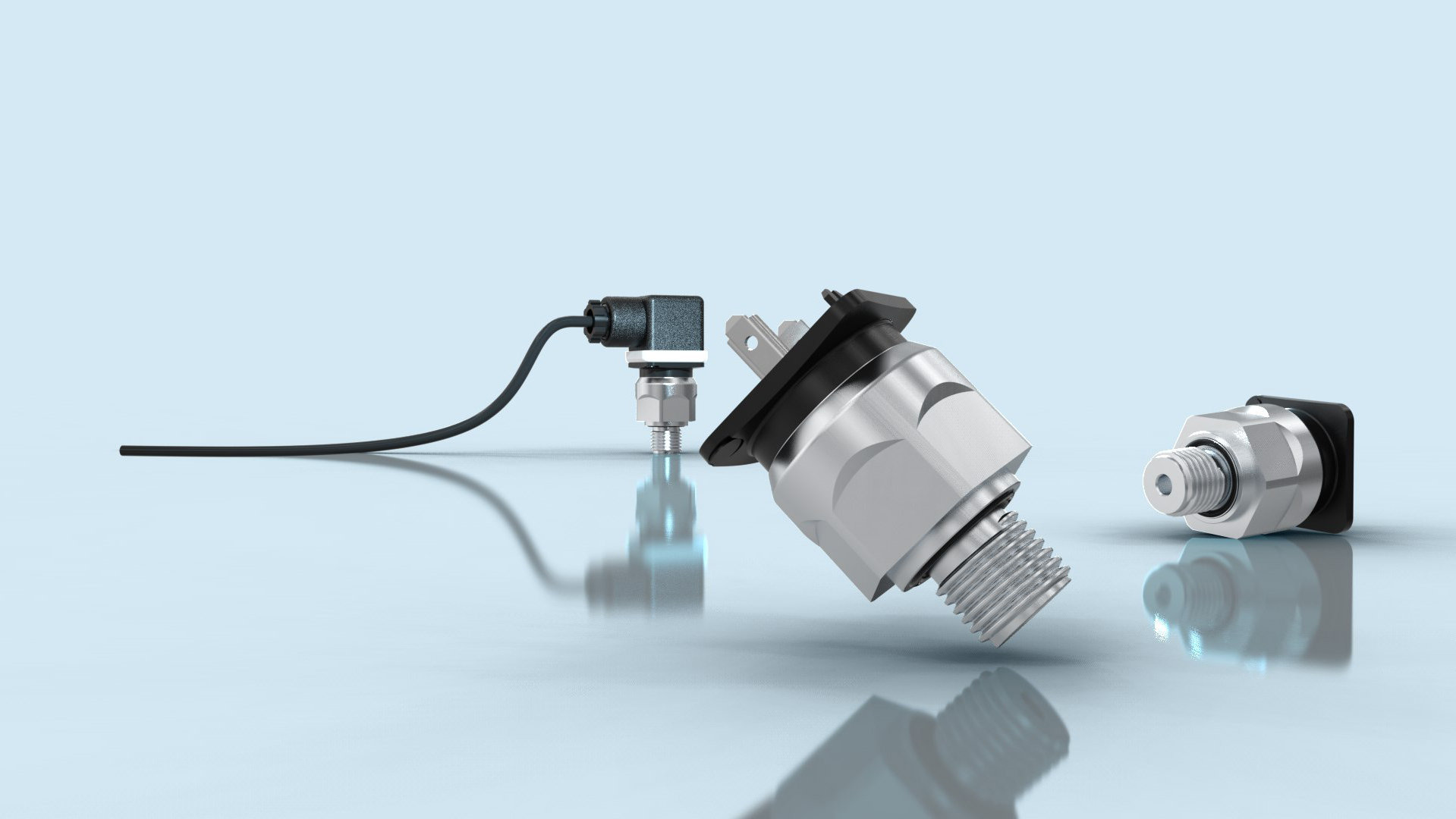
Pressure measurement
Pressure sensors: device and choice
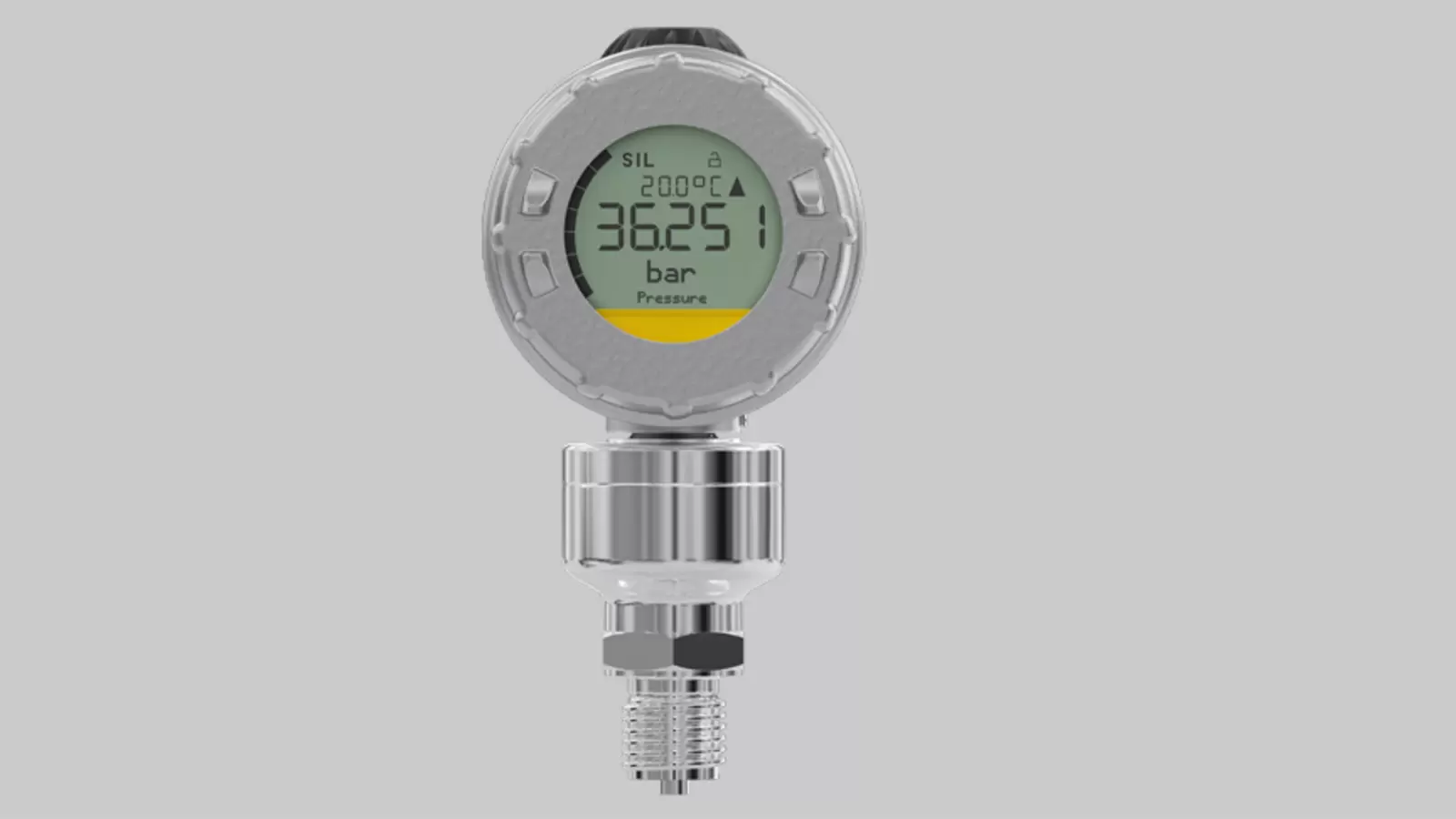
Pressure sensors convert the mechanical effect of the measured medium into a signal for a monitoring or control system.
What is a pressure sensor?
The device converts the pressure of a gas or liquid into a signal that can be measured and transmitted to the control system.
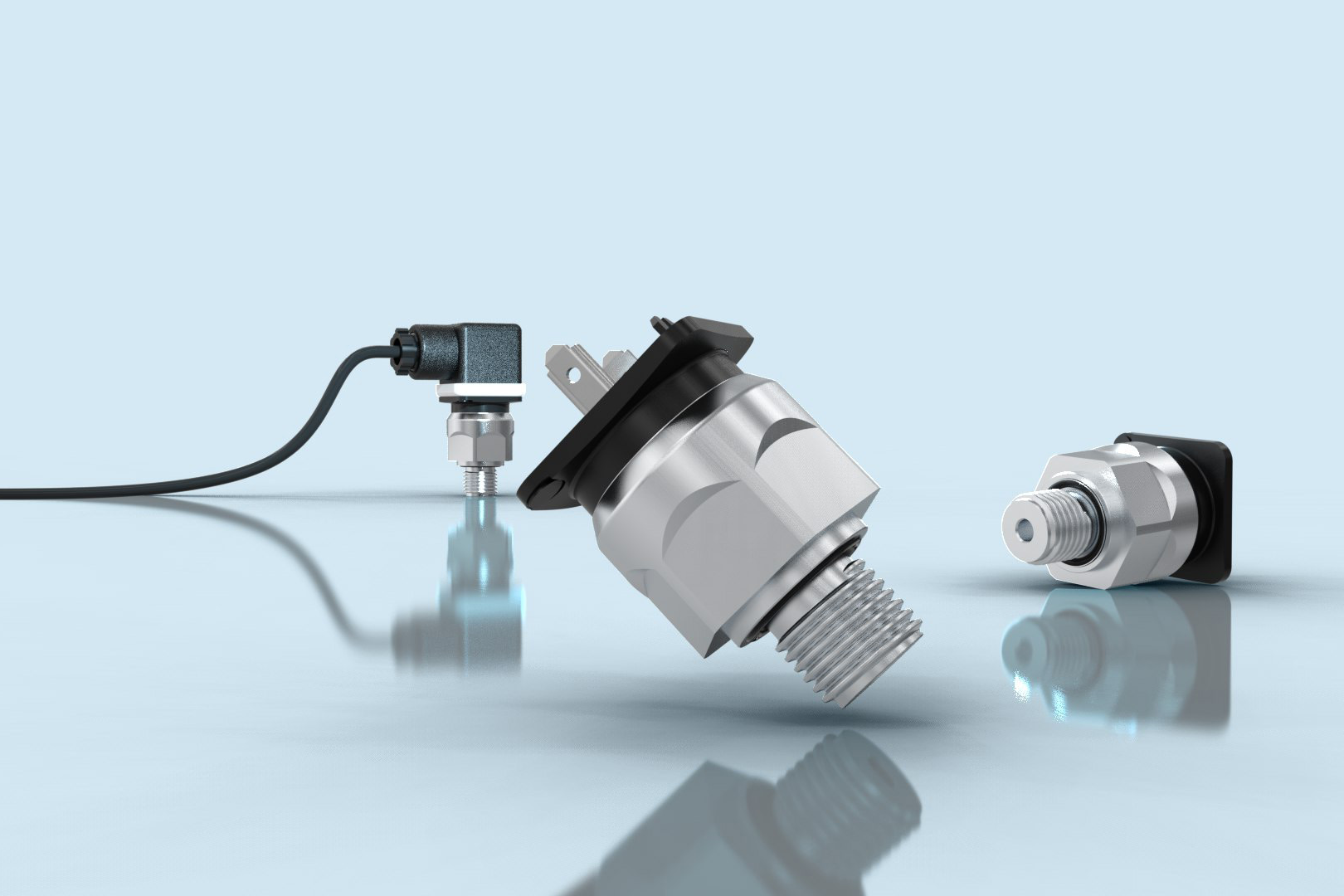
How does a pressure sensor work?
The pressure deforms the sensing element. A change in resistance, capacitance or other property is converted into an electrical signal.
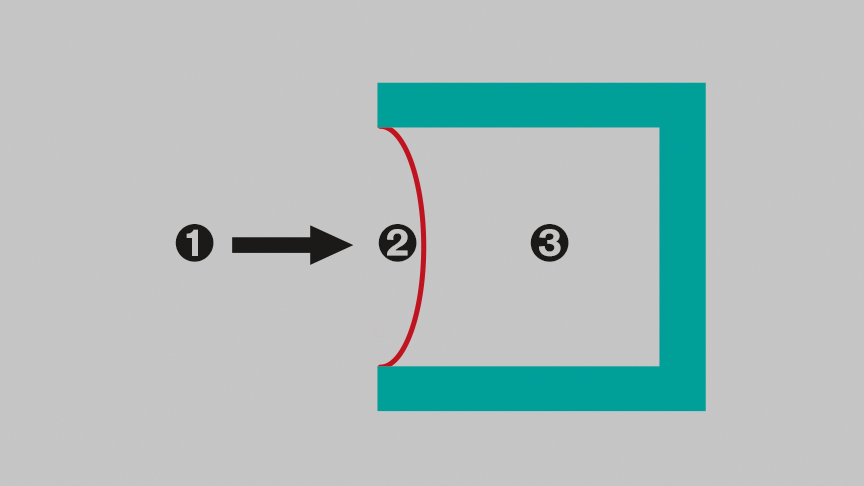
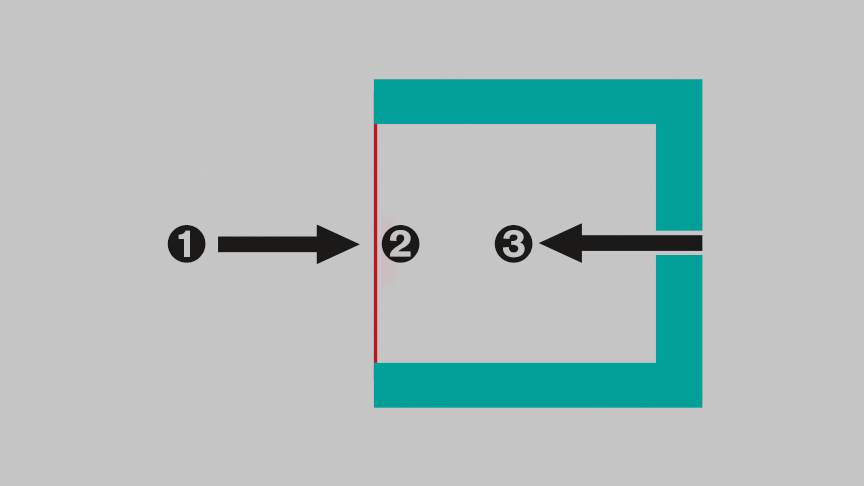
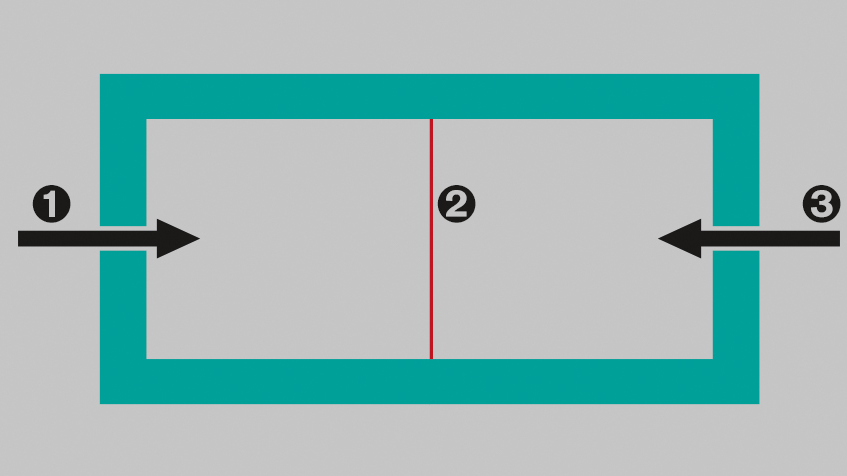
How does the pressure sensor work?
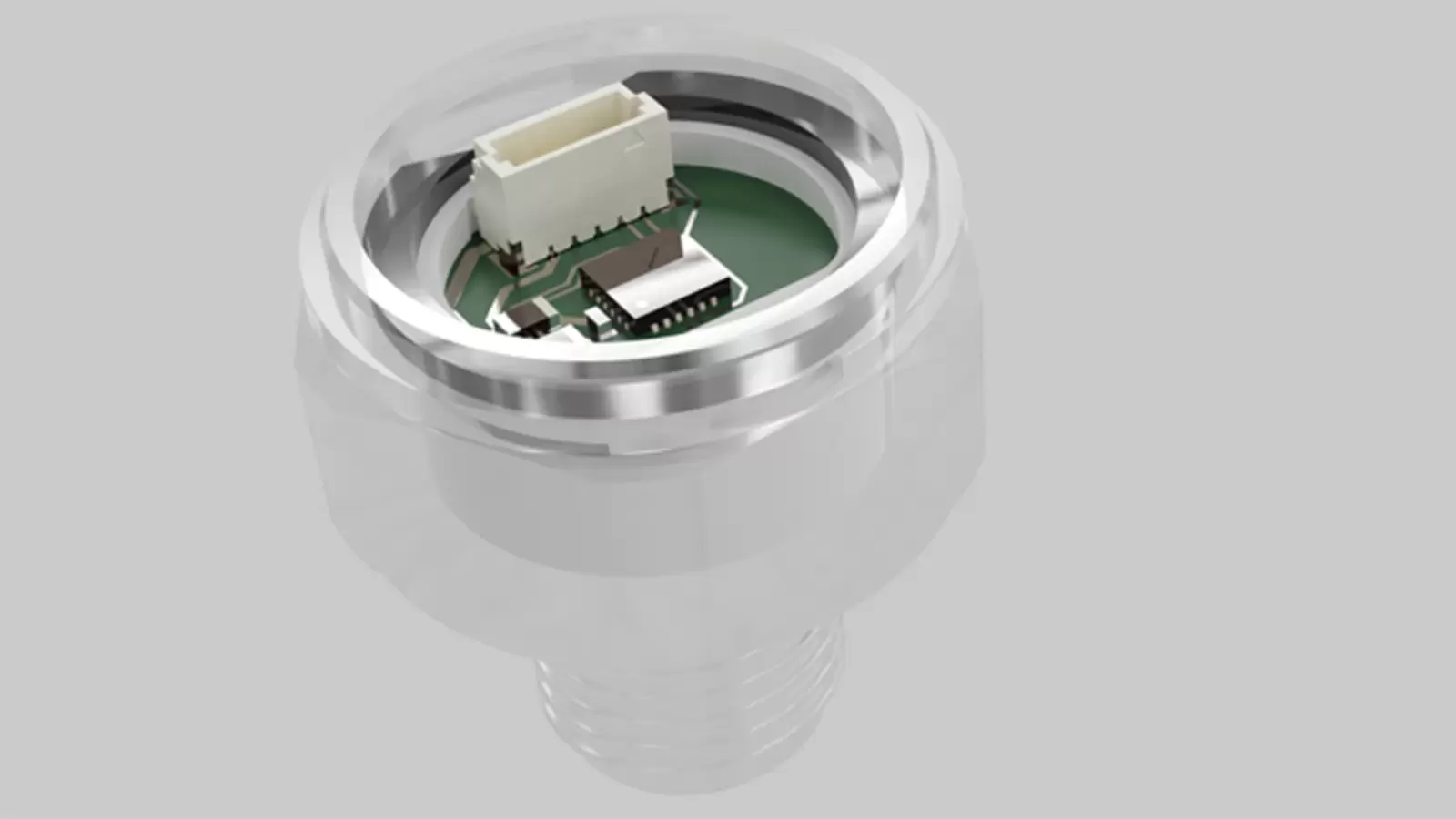
It consists of a process connection, a sensing element, a housing and, in the transmitter, electronics for processing the output signal.
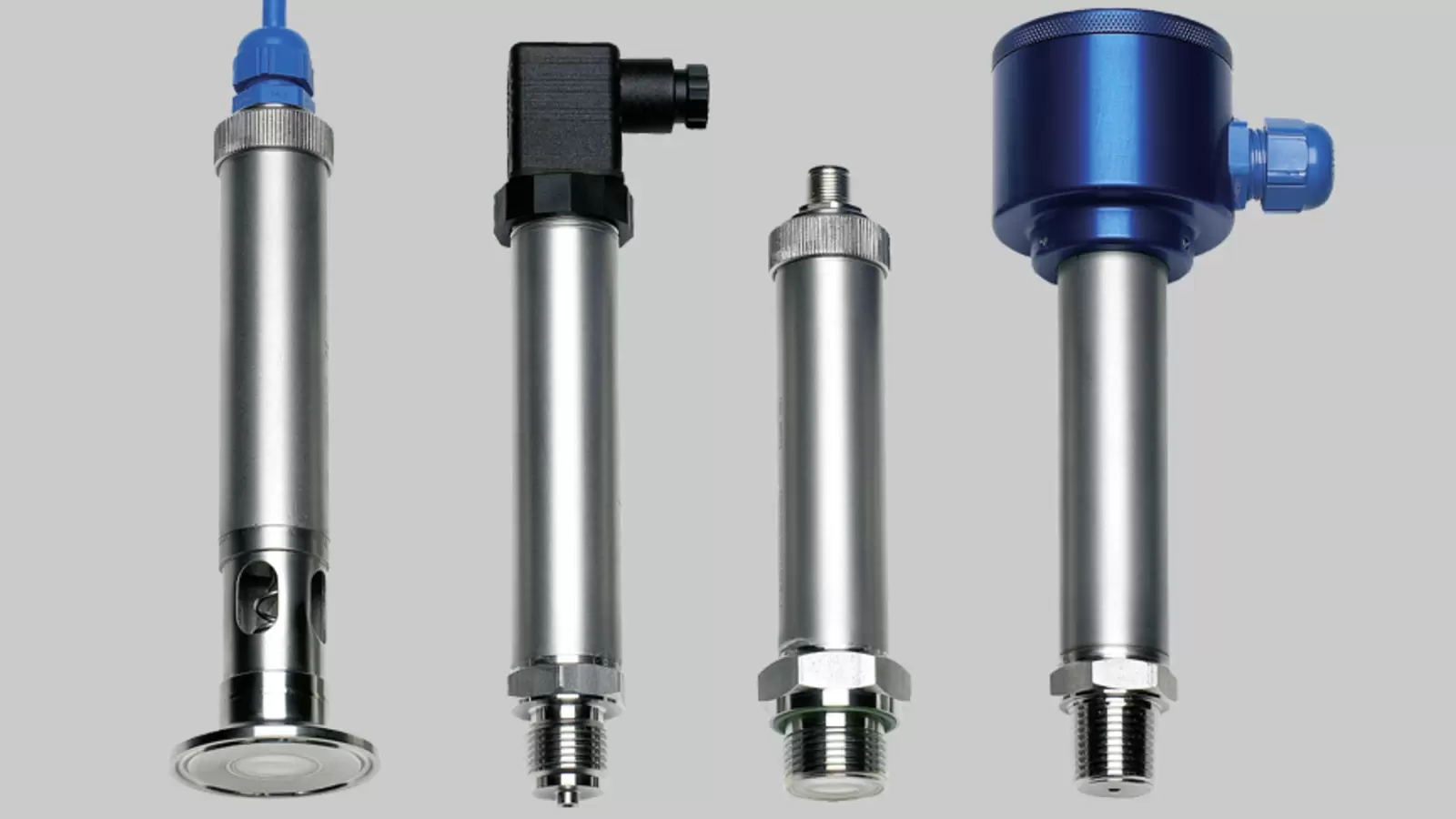
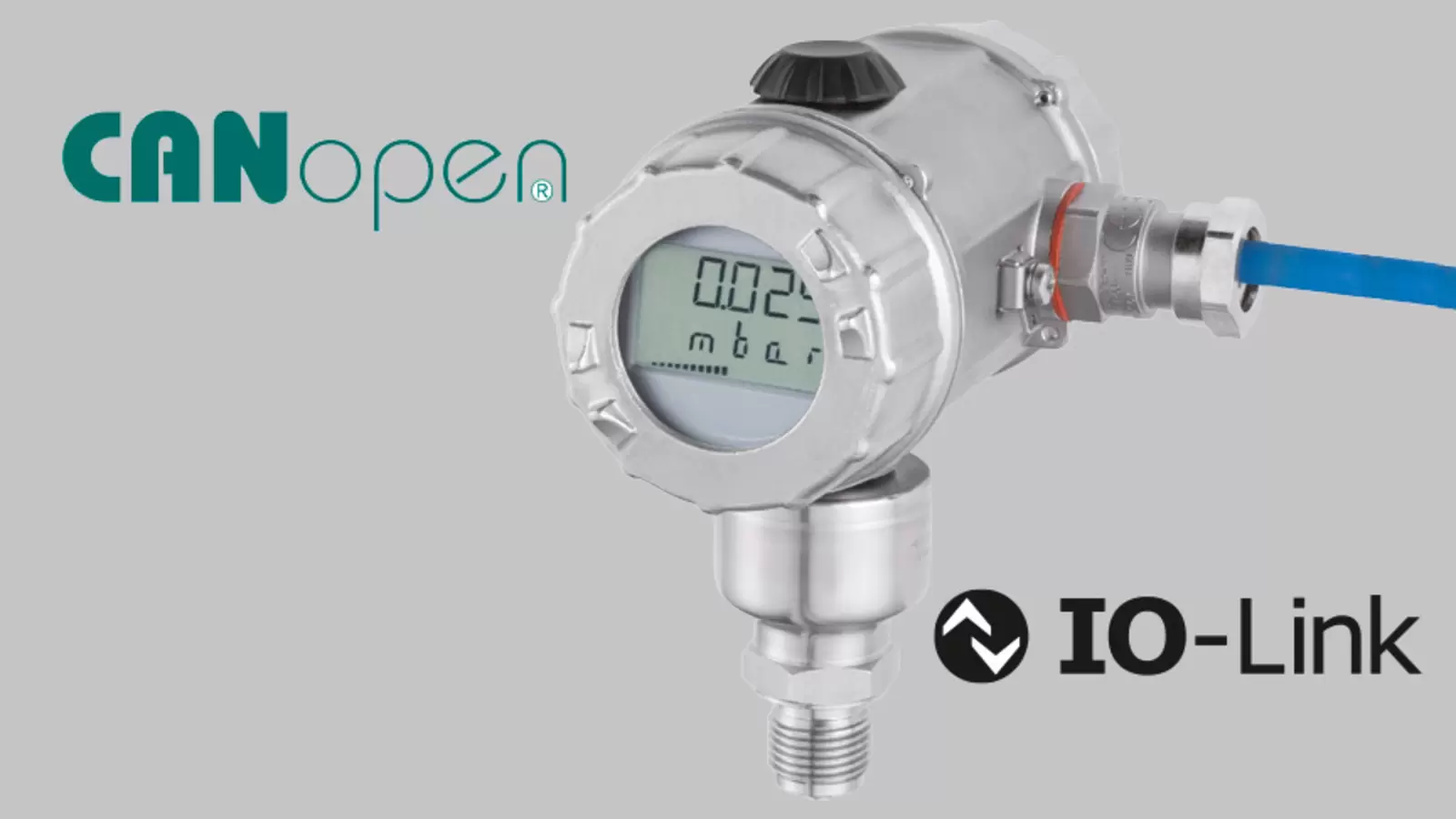
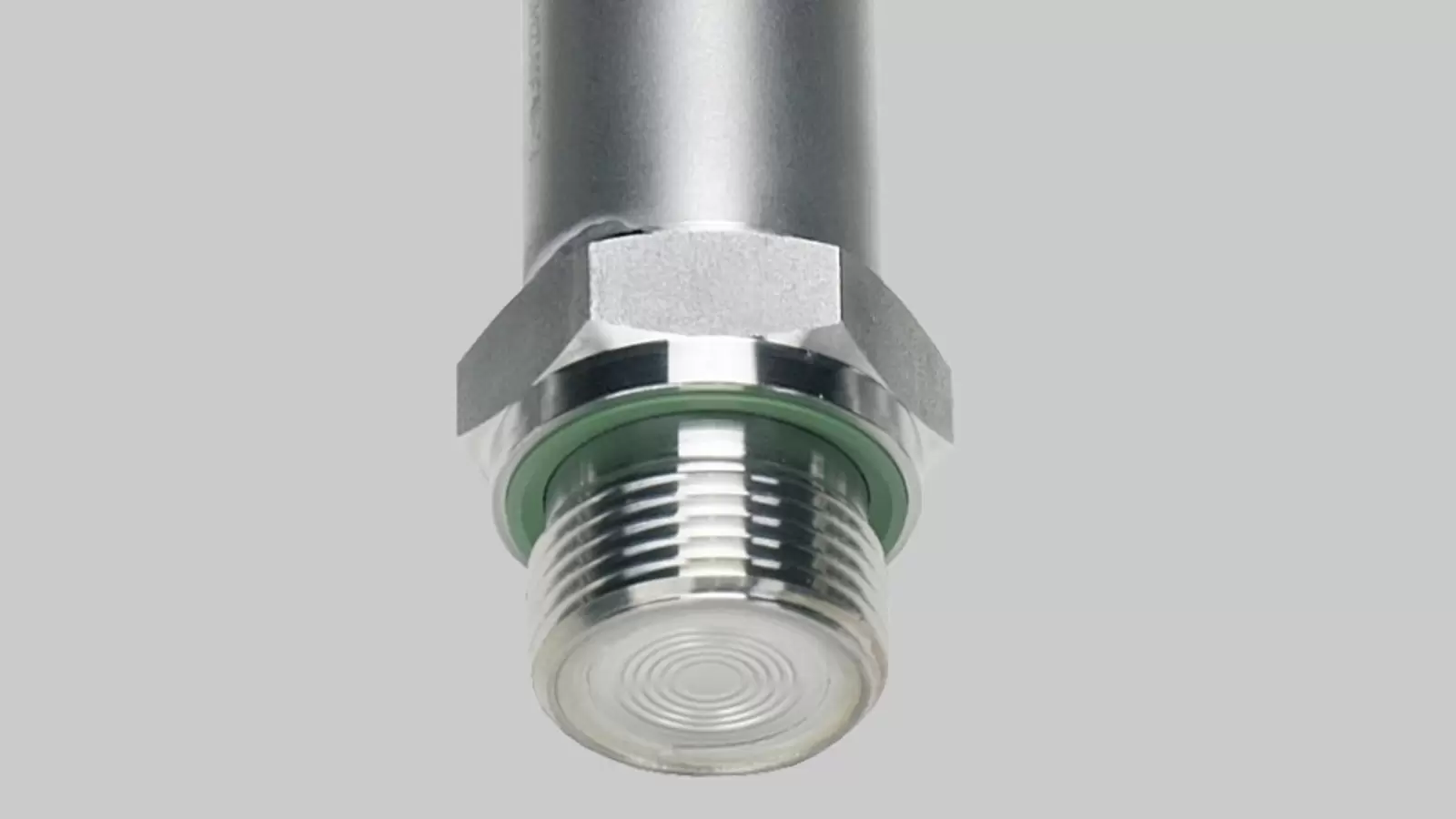
When is an open membrane needed?
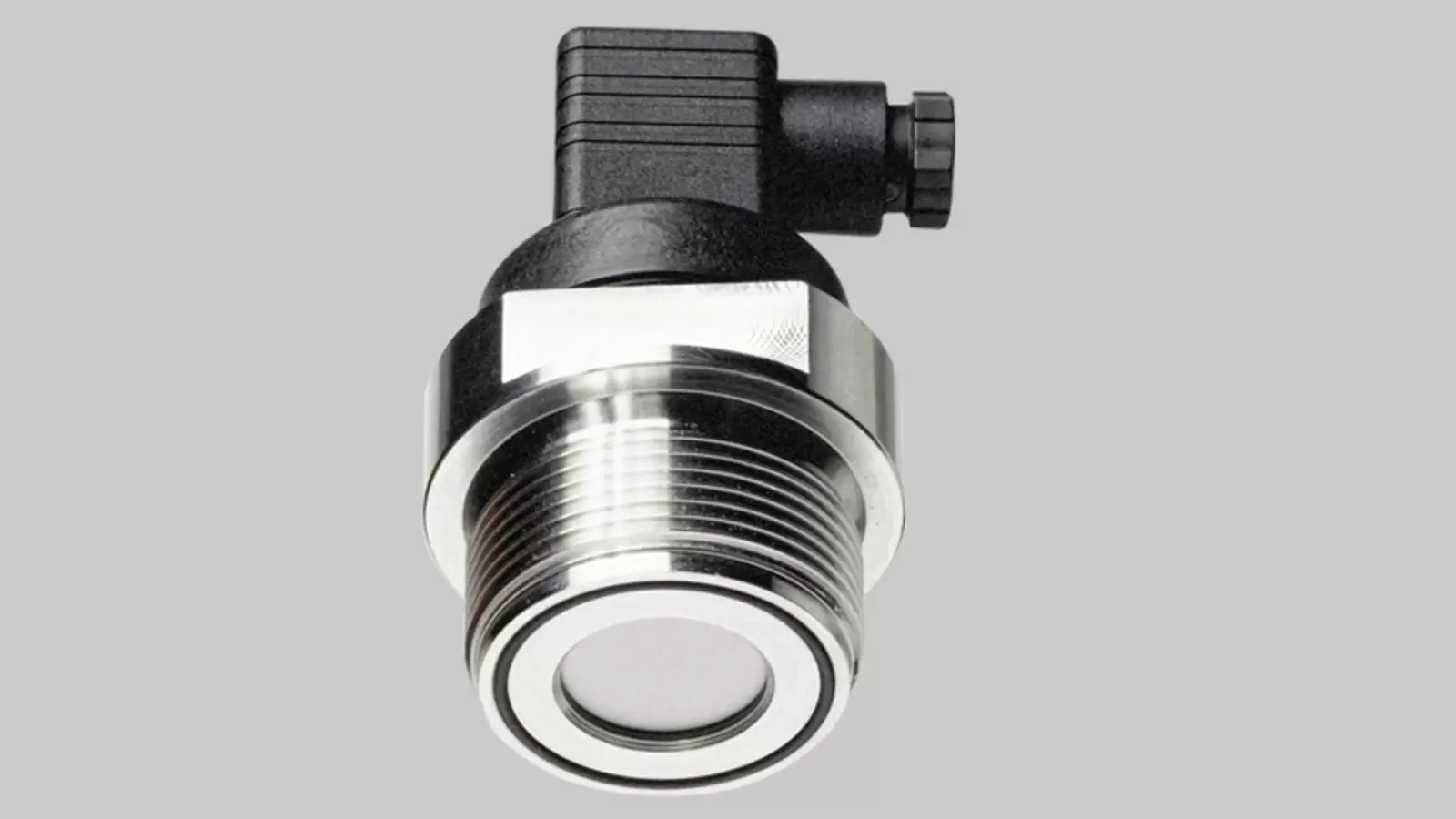
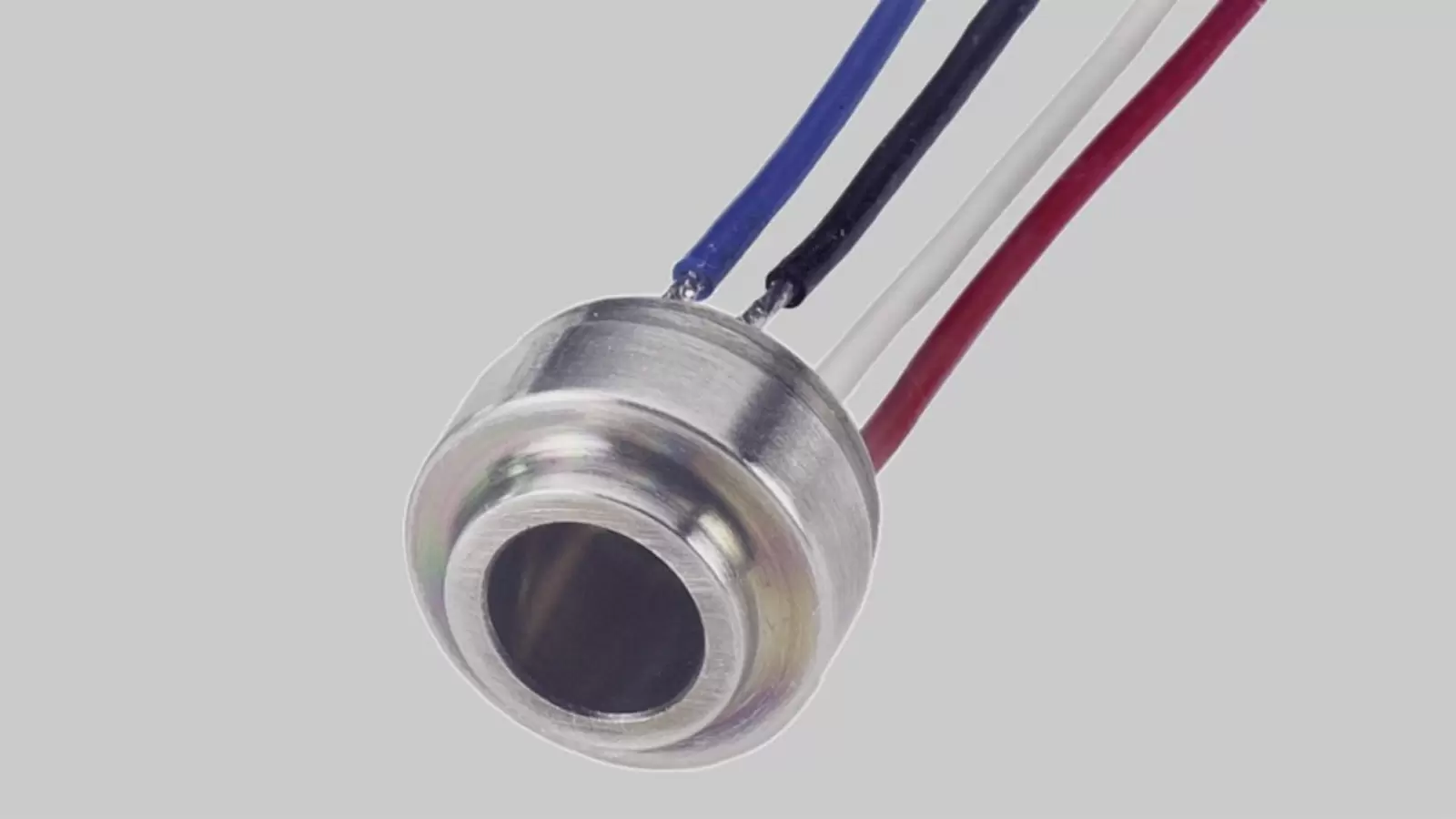
The flush diaphragm is used in viscous, pasty or contaminated media where conventional connection channels may become clogged and require cleaning.
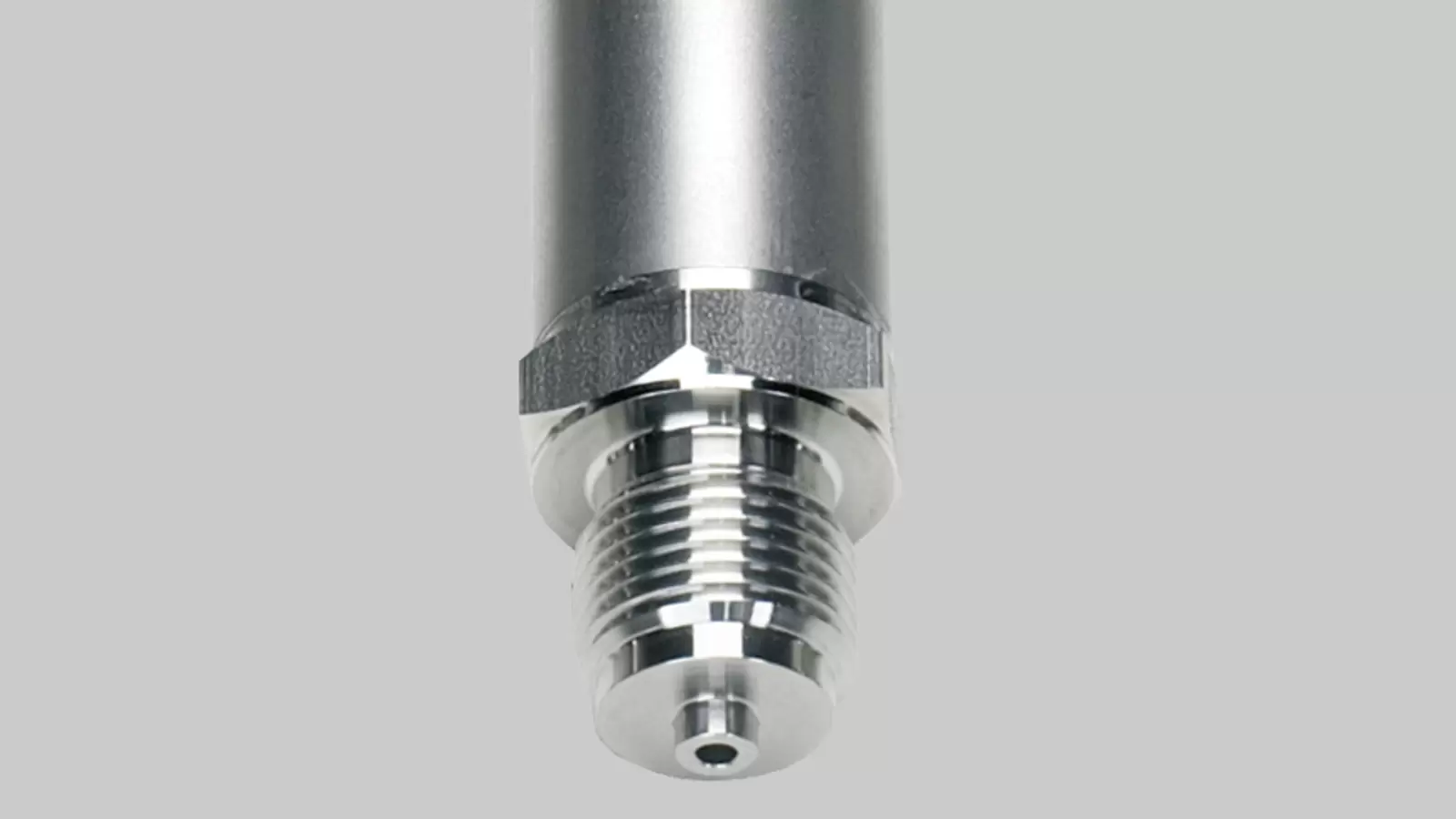
How to choose a pressure sensor?
The type of pressure, range, temperature, overload, material of parts in contact with the medium, connection and output signal are taken into account.
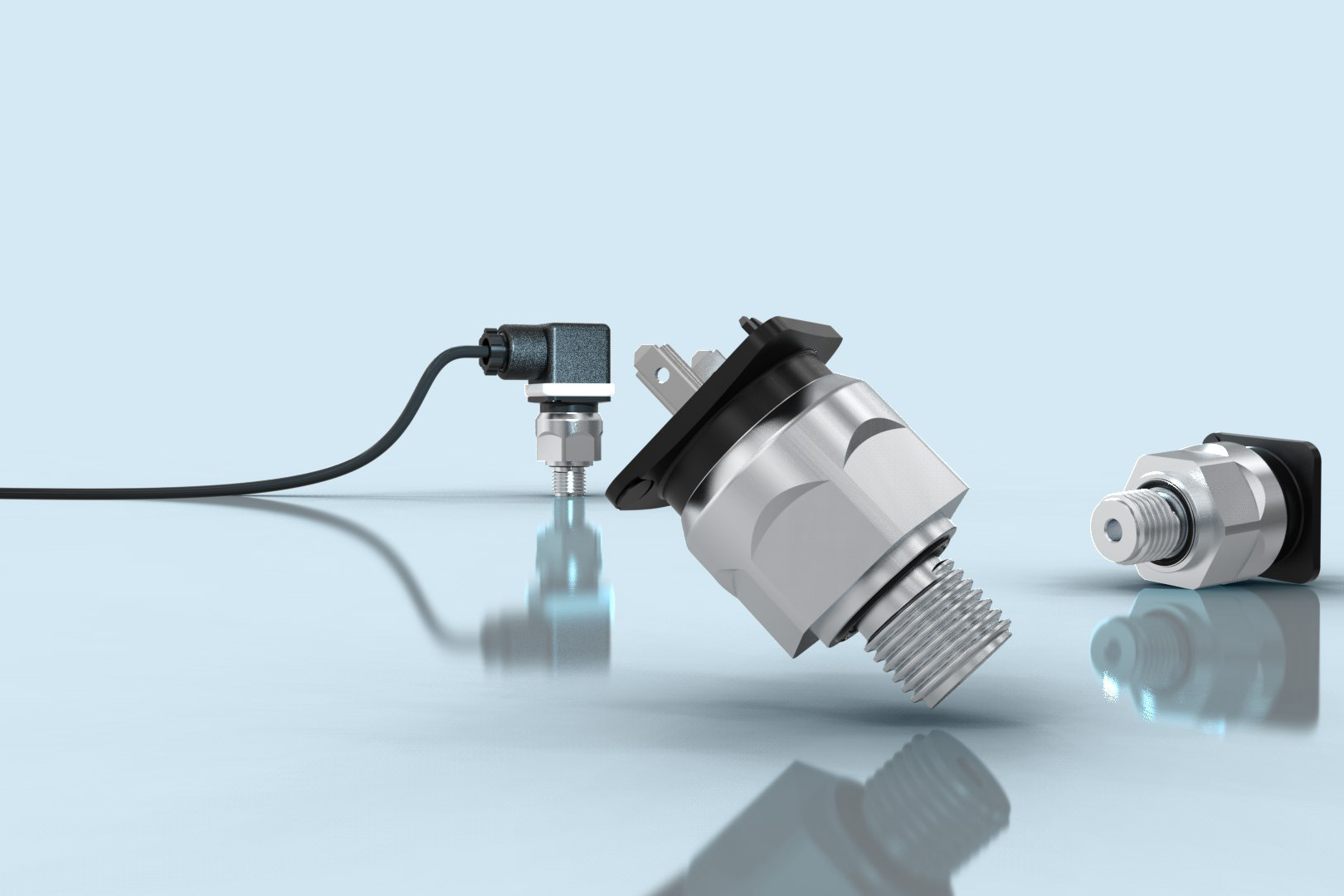
What measuring systems are used?
For different ranges and environments, inductive, capacitive, piezoresistive, ceramic and metal thin-film elements are used.
Inductive pressure sensors
Moving the membrane changes the inductance. This principle is used, in particular, for measuring low pressures.
Features of inductive sensors
The choice is influenced by the required range, resolution and installation conditions. Electronics evaluates the movement of the sensing element.
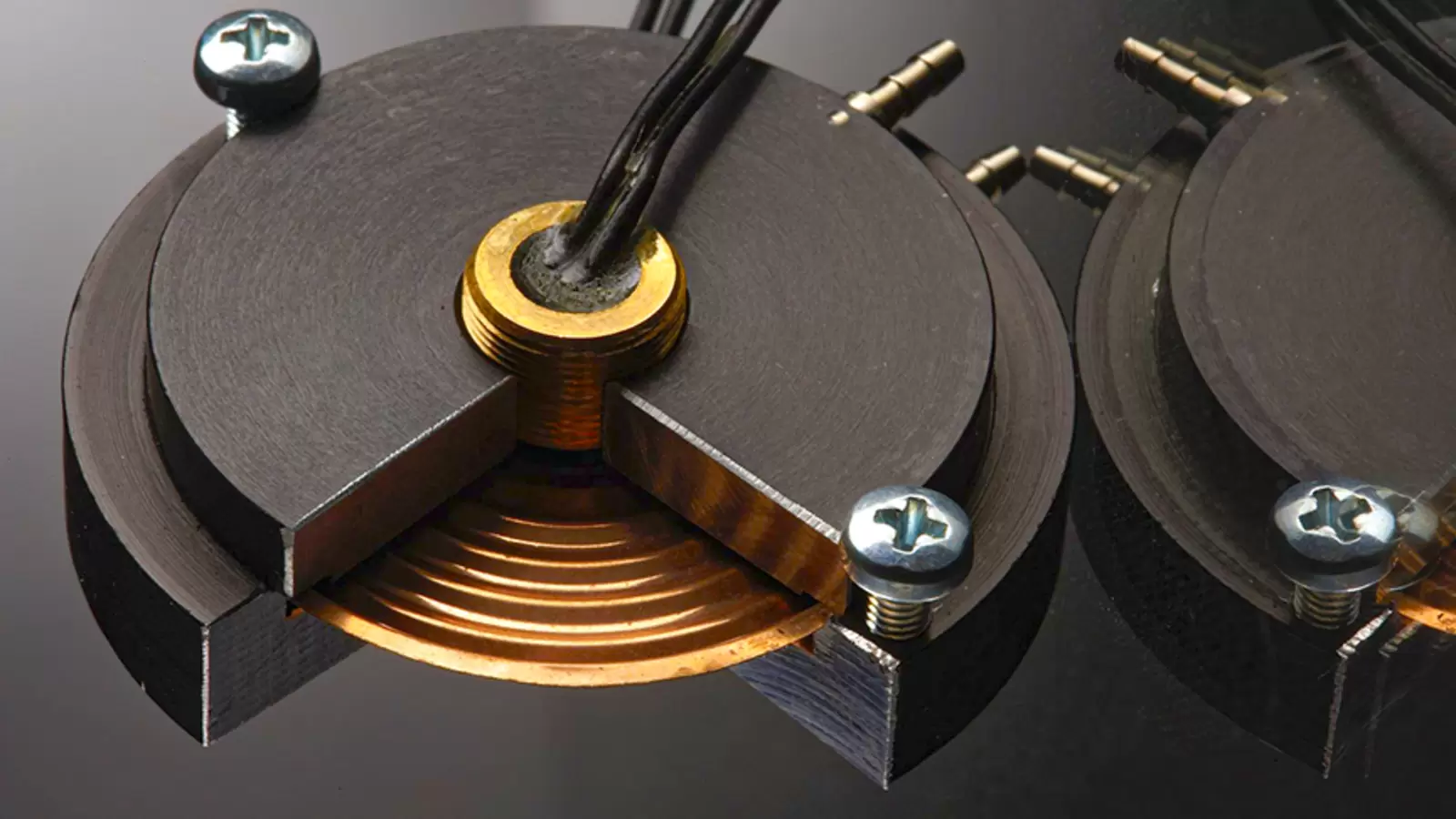
Capacitive pressure sensors
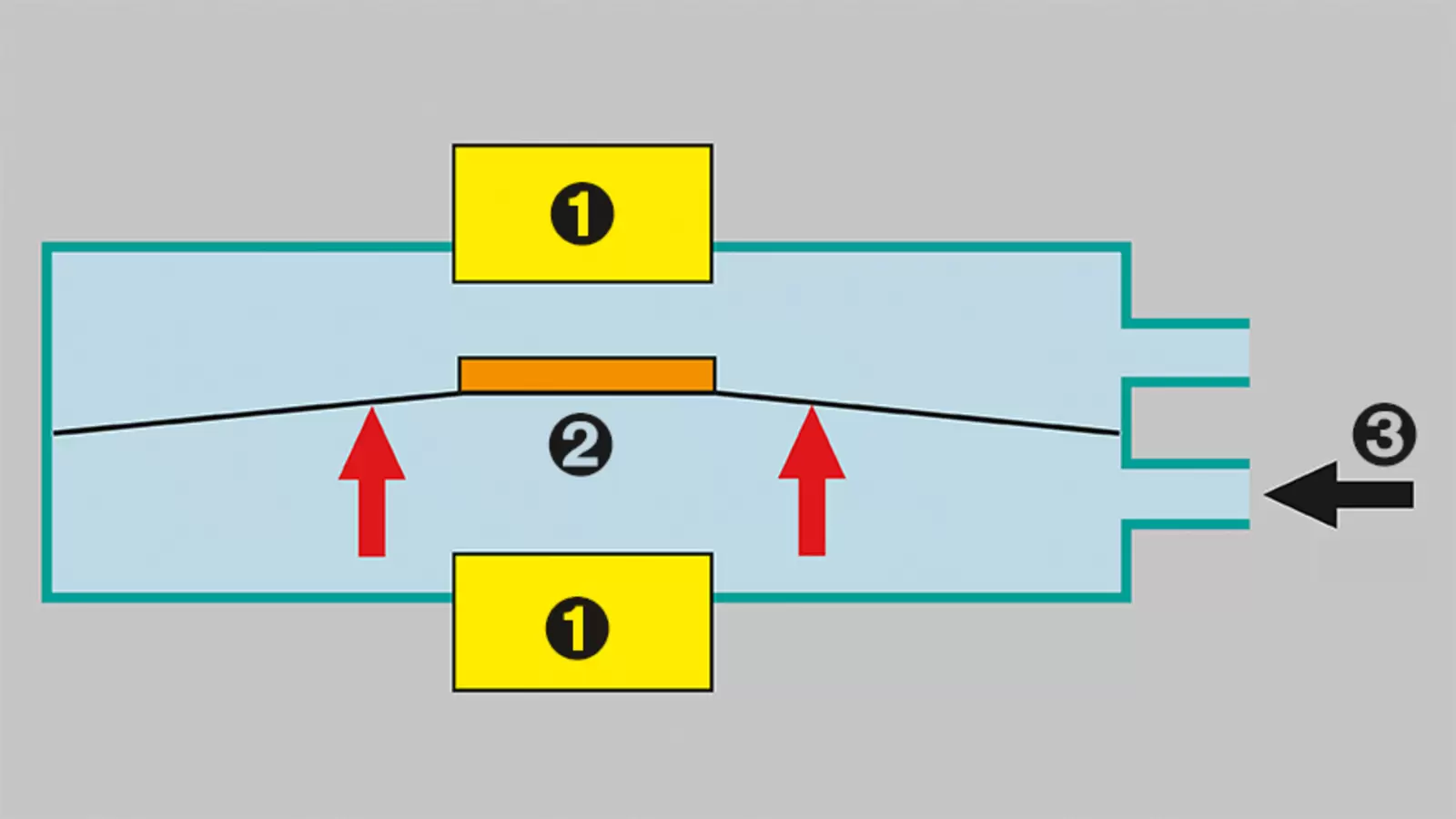
Deformation of the membrane changes the distance between the electrodes, and therefore the electrical capacitance.
Features of capacitive sensors
Capacitive elements are suitable for sensitive measurements. The selection takes into account membrane protection, media properties and process conditions.
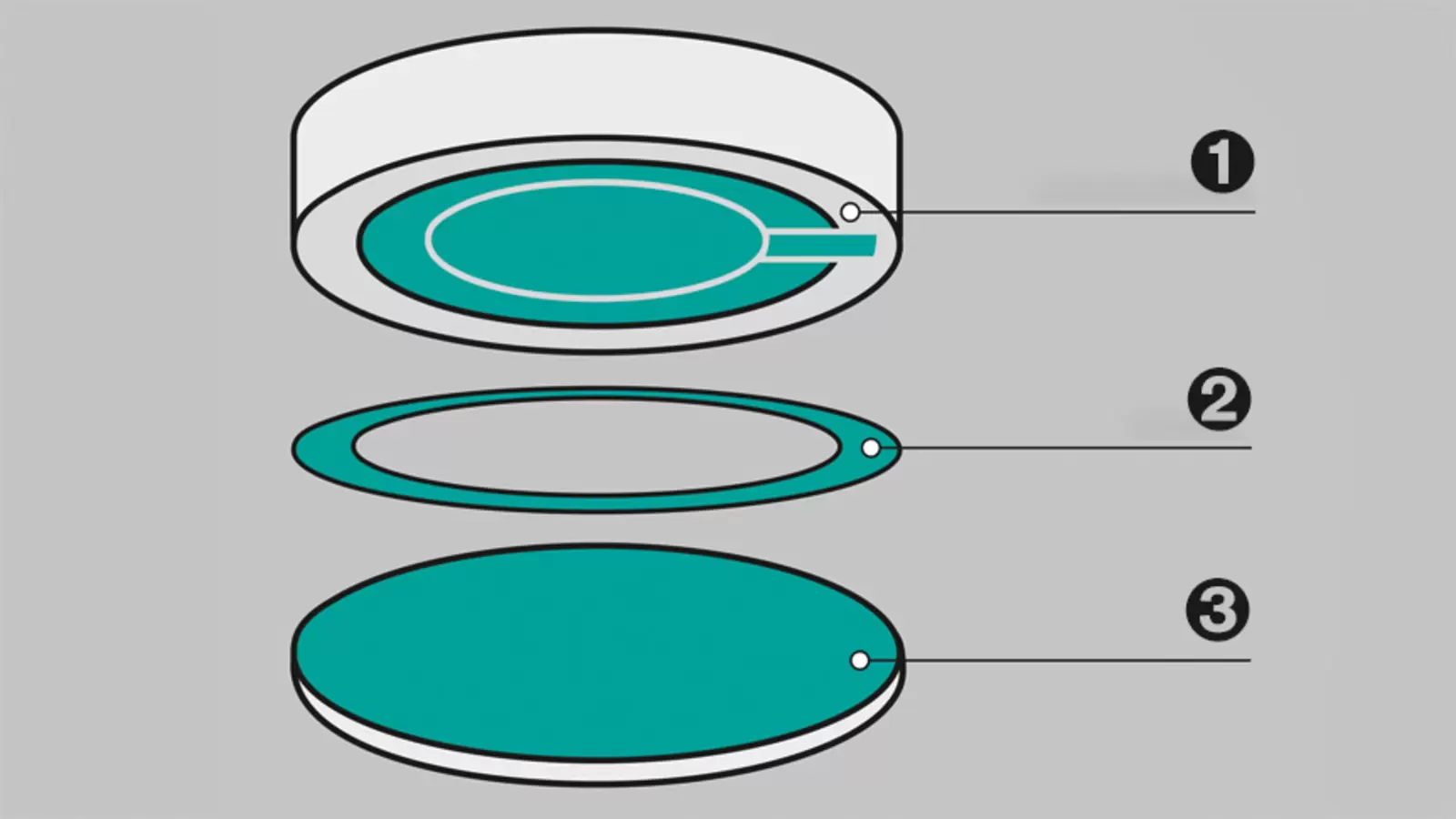
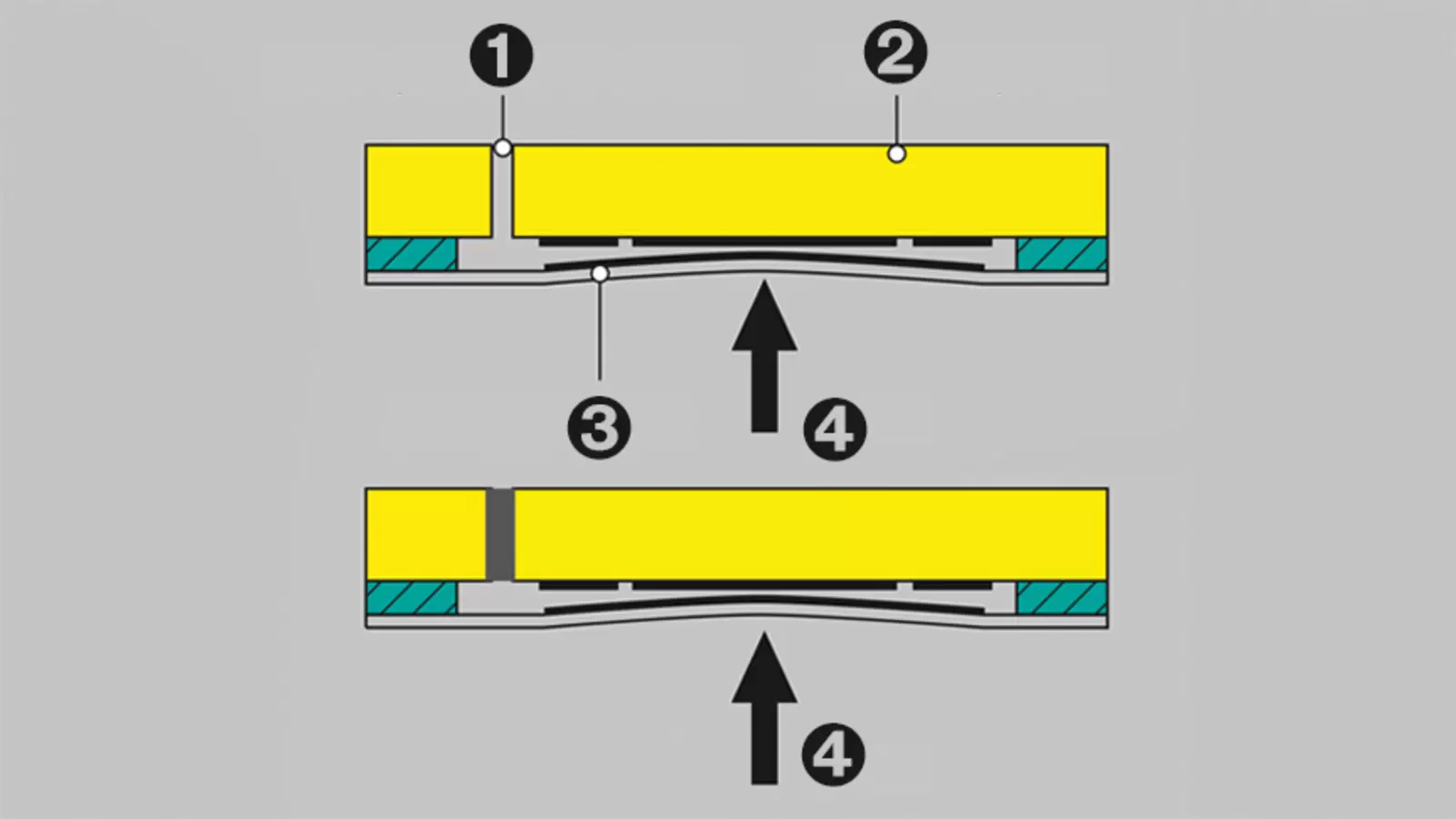
Piezoresistive pressure sensors
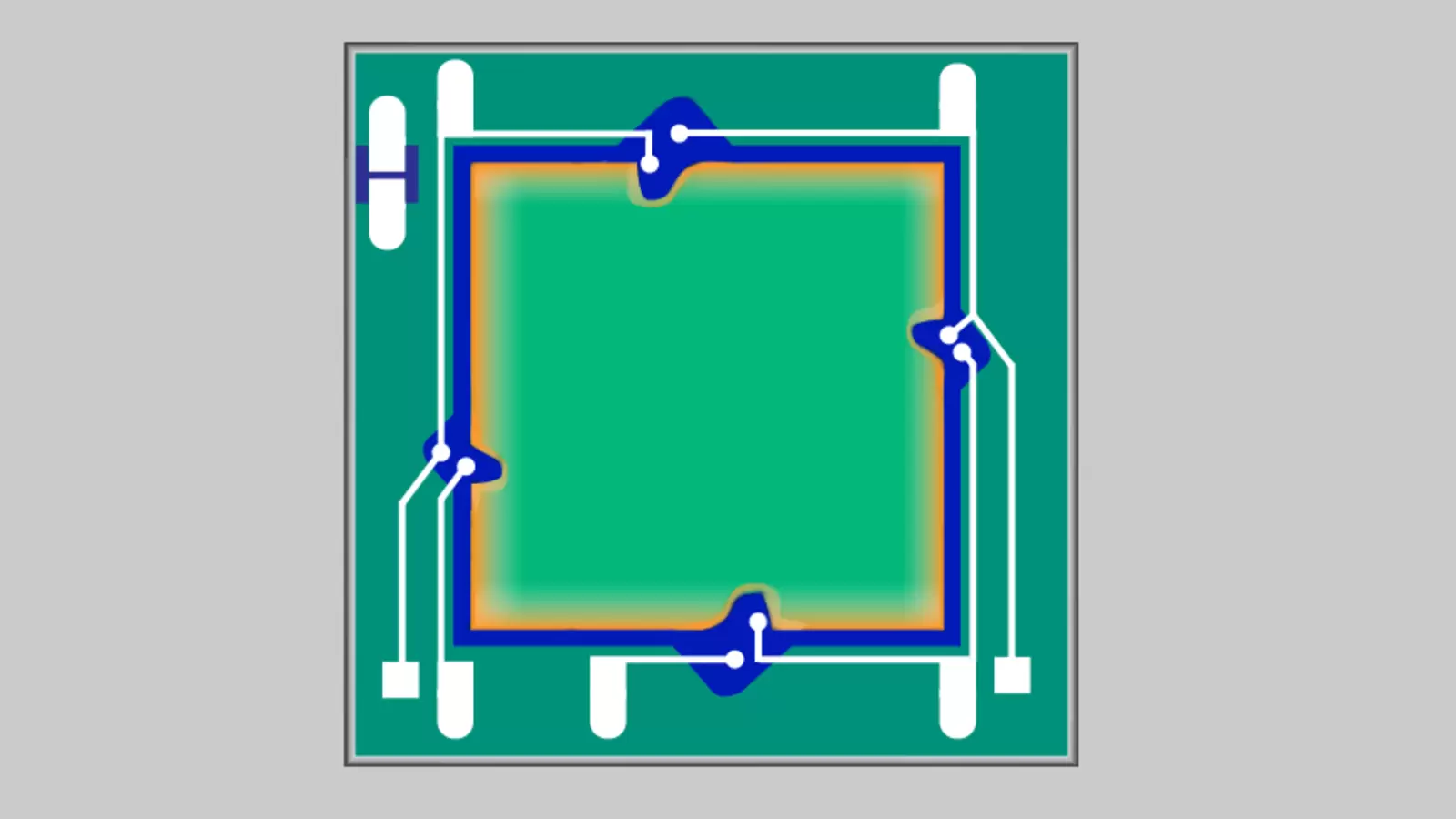
Deformation of the semiconductor element changes the resistance of the built-in resistors. A bridge circuit is used for measurement.
Features of piezoresistive sensors
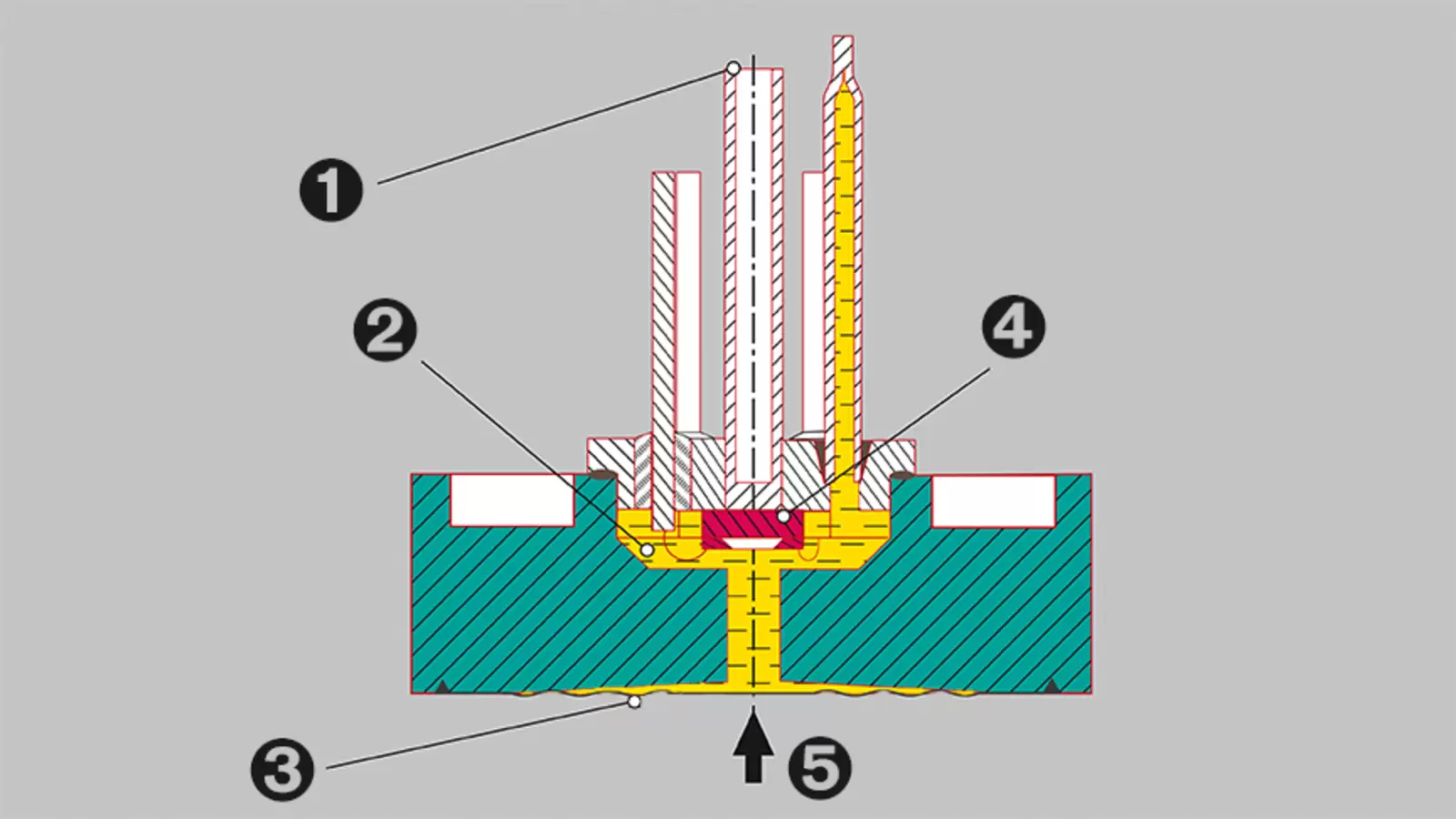
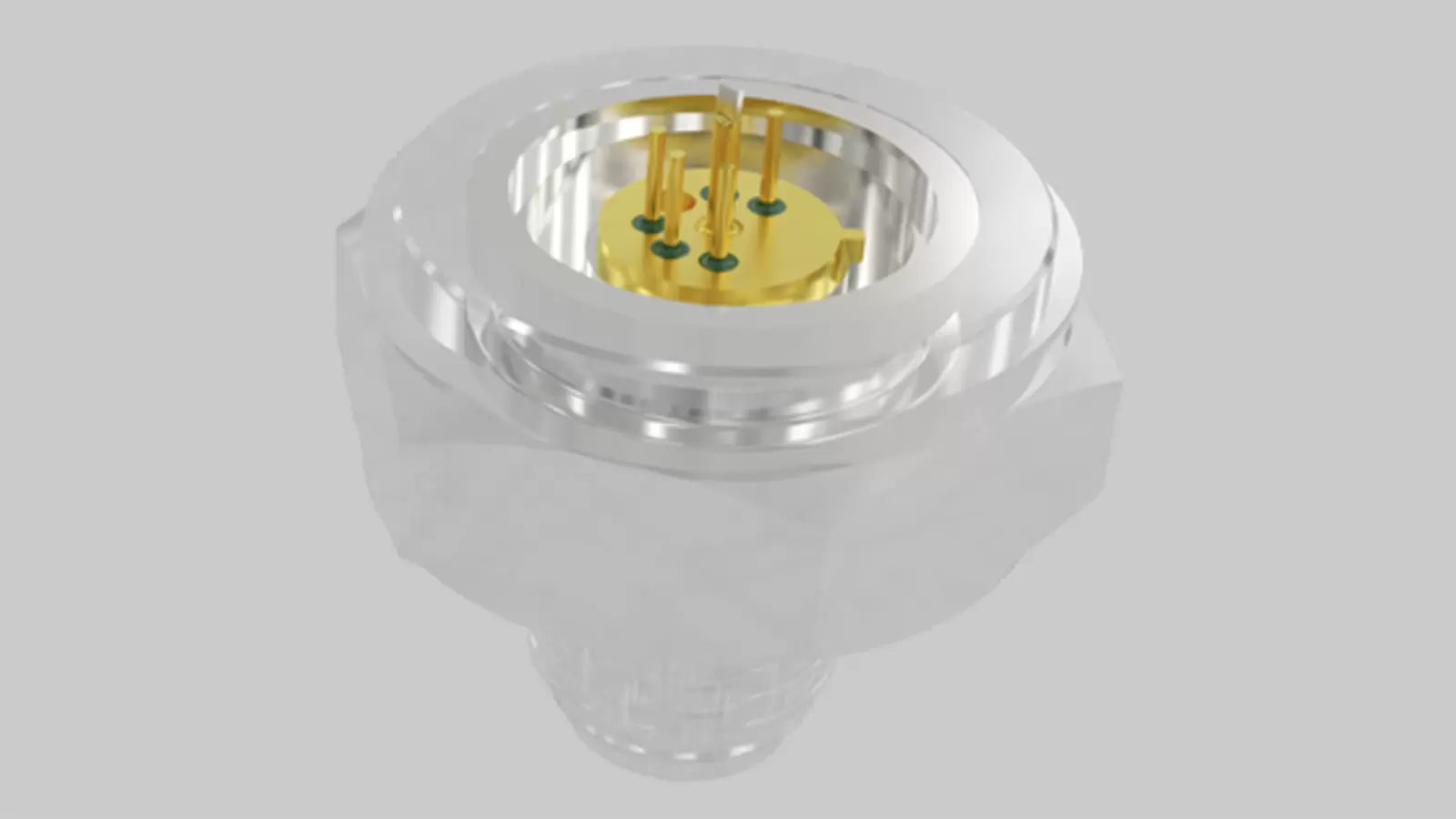
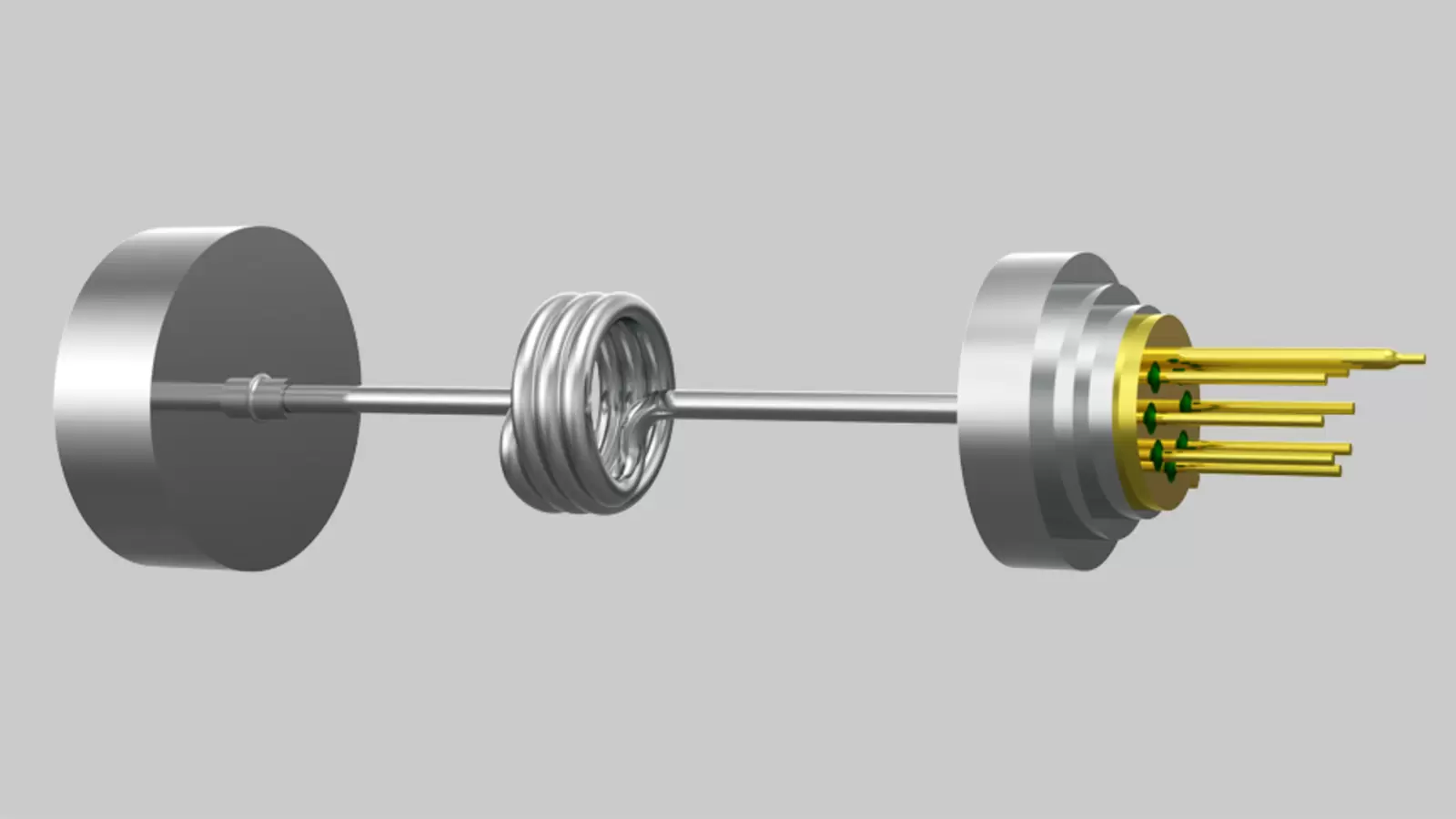
In some designs, an isolating membrane and transfer fluid protect the sensing element from the process fluid.
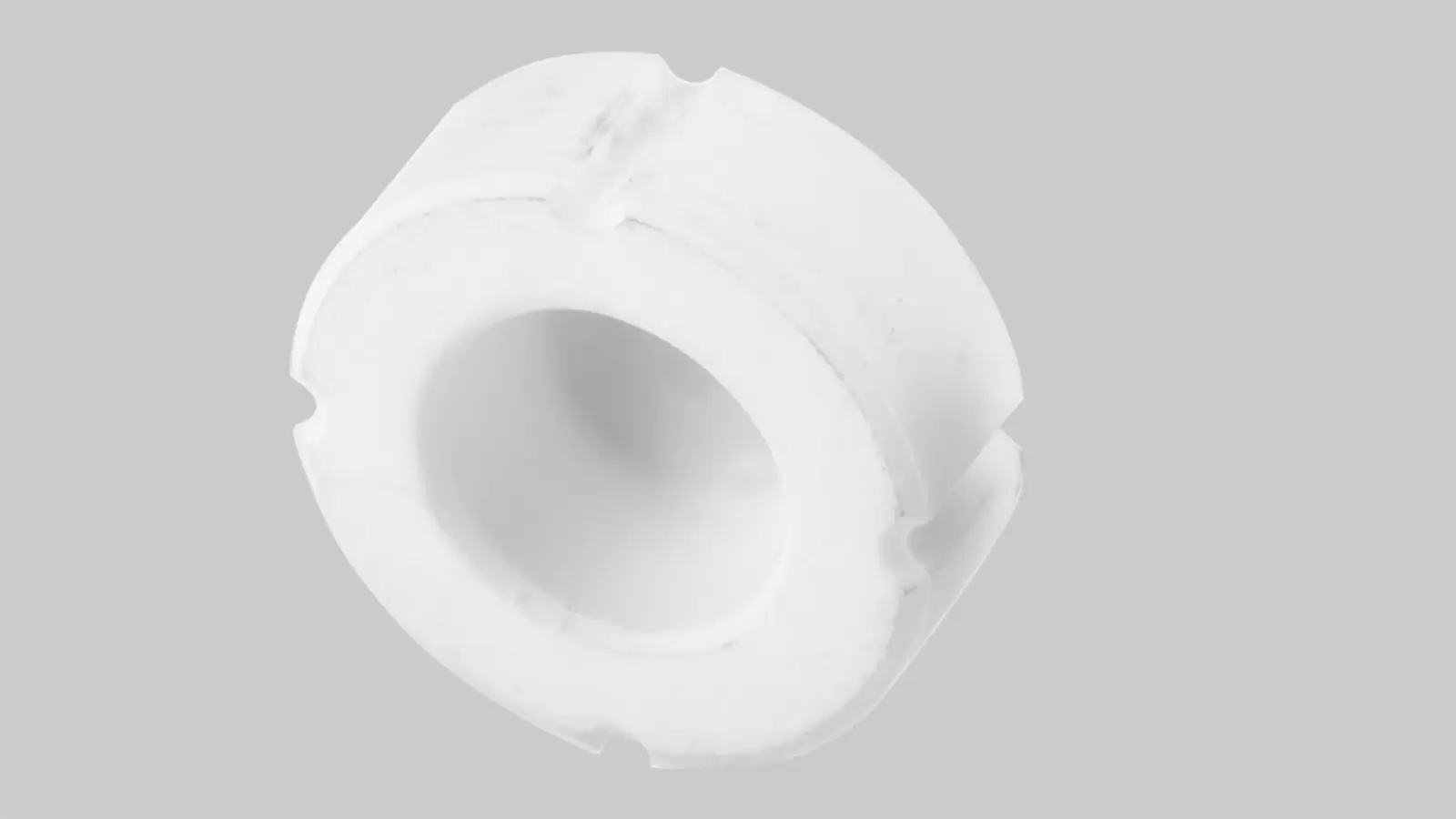
Ceramic sensors with thick film layer
Resistors are applied to a ceramic membrane. When deformed, the output of the bridge circuit changes.
Features of ceramic sensors
When choosing, take into account the chemical resistance of ceramics and seals, pressure range and permissible overload.
Metal thin film sensors
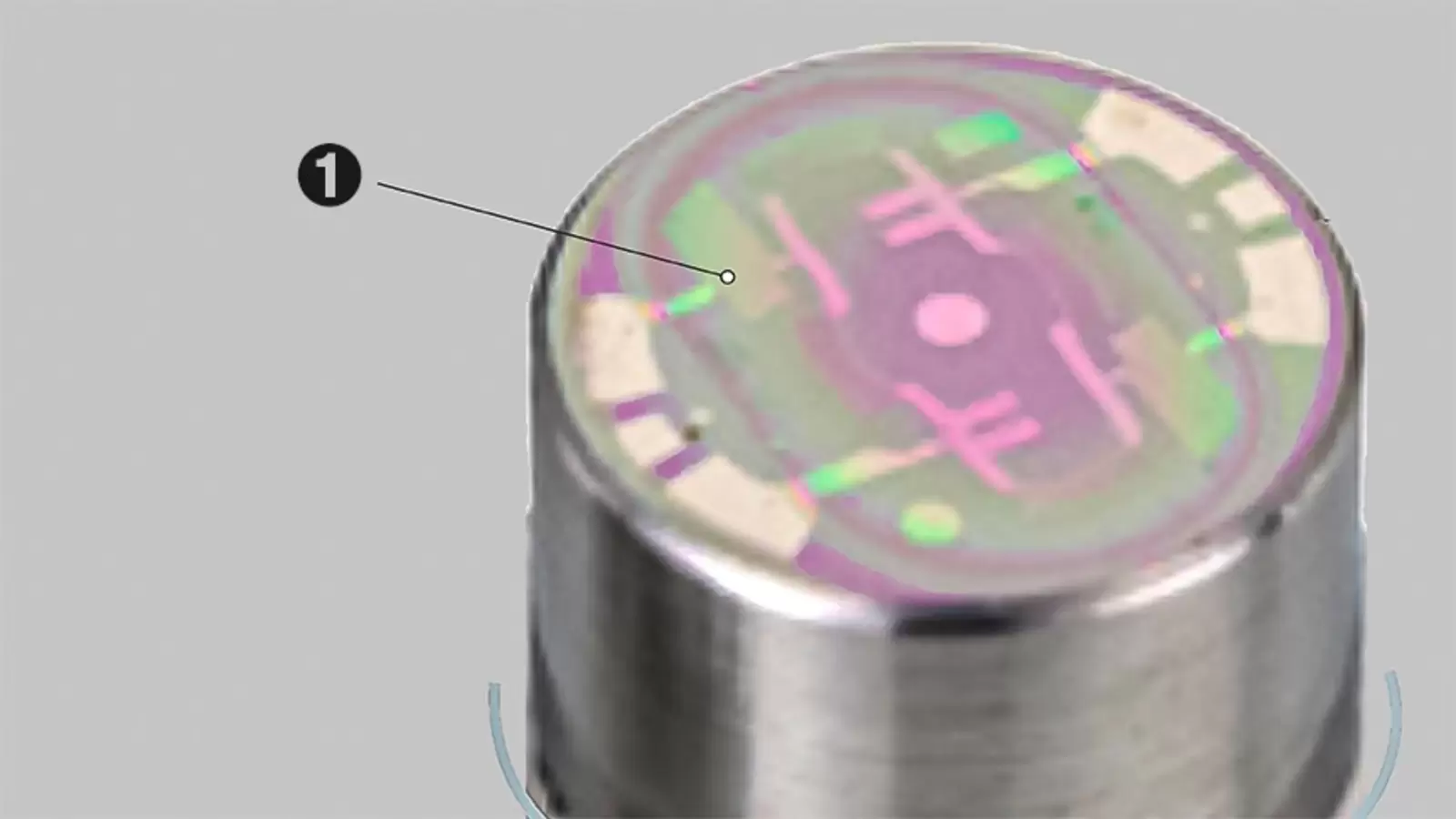
A resistive structure is applied to a metal membrane. This principle is also used for high pressures.
Features of thin film sensors
The metal sensing element allows for a robust construction. The operating conditions are determined by the passport of a specific model.
Do pressure transmitters need to be checked regularly?
Periodic inspections help detect drift and damage. The interval depends on process requirements, operating conditions and instrument history.
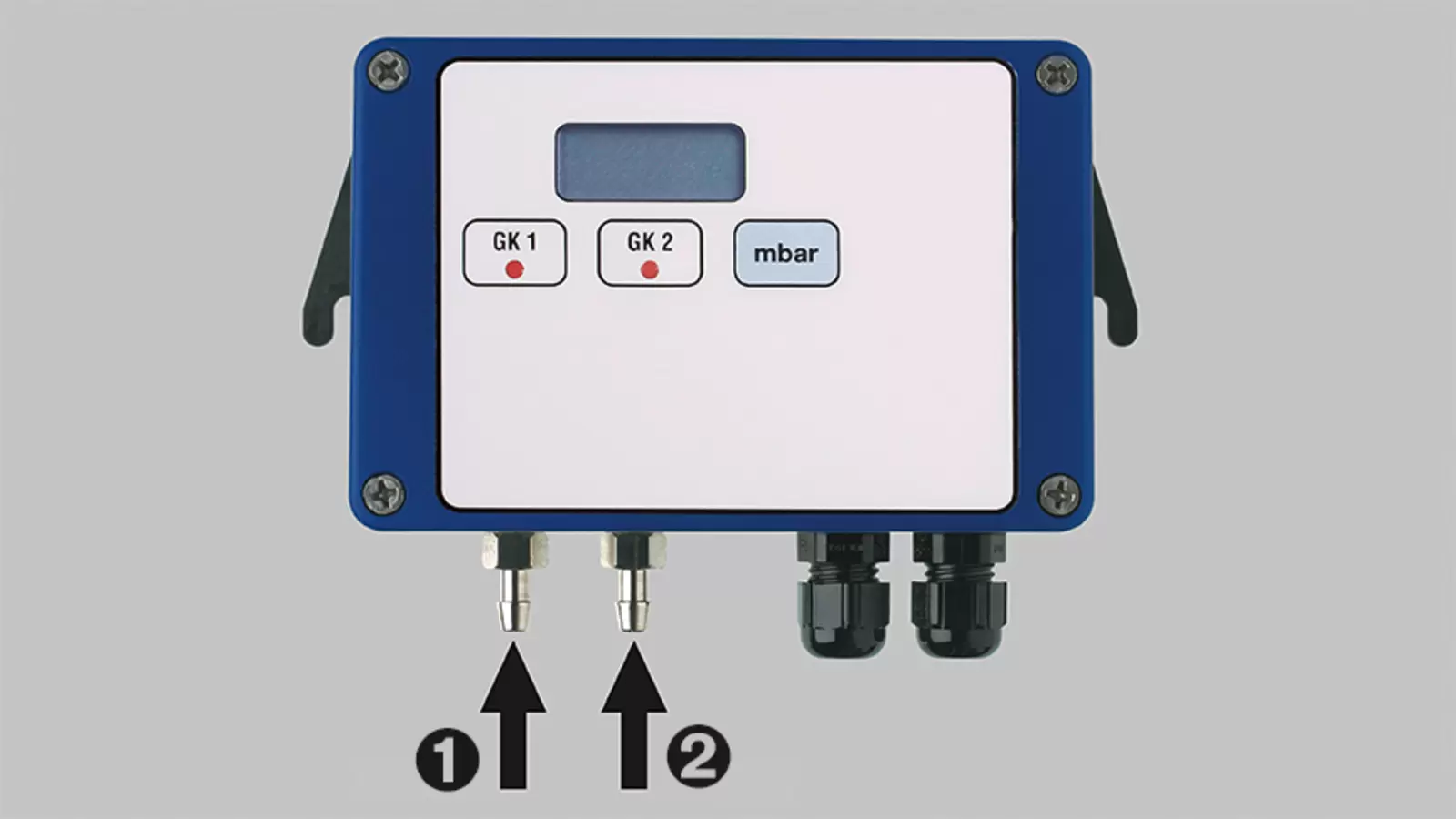
What sensors are used in technological processes?
Different designs are used for pressure in pipelines, level in containers and pressure drop. The device is selected according to the specific process conditions.