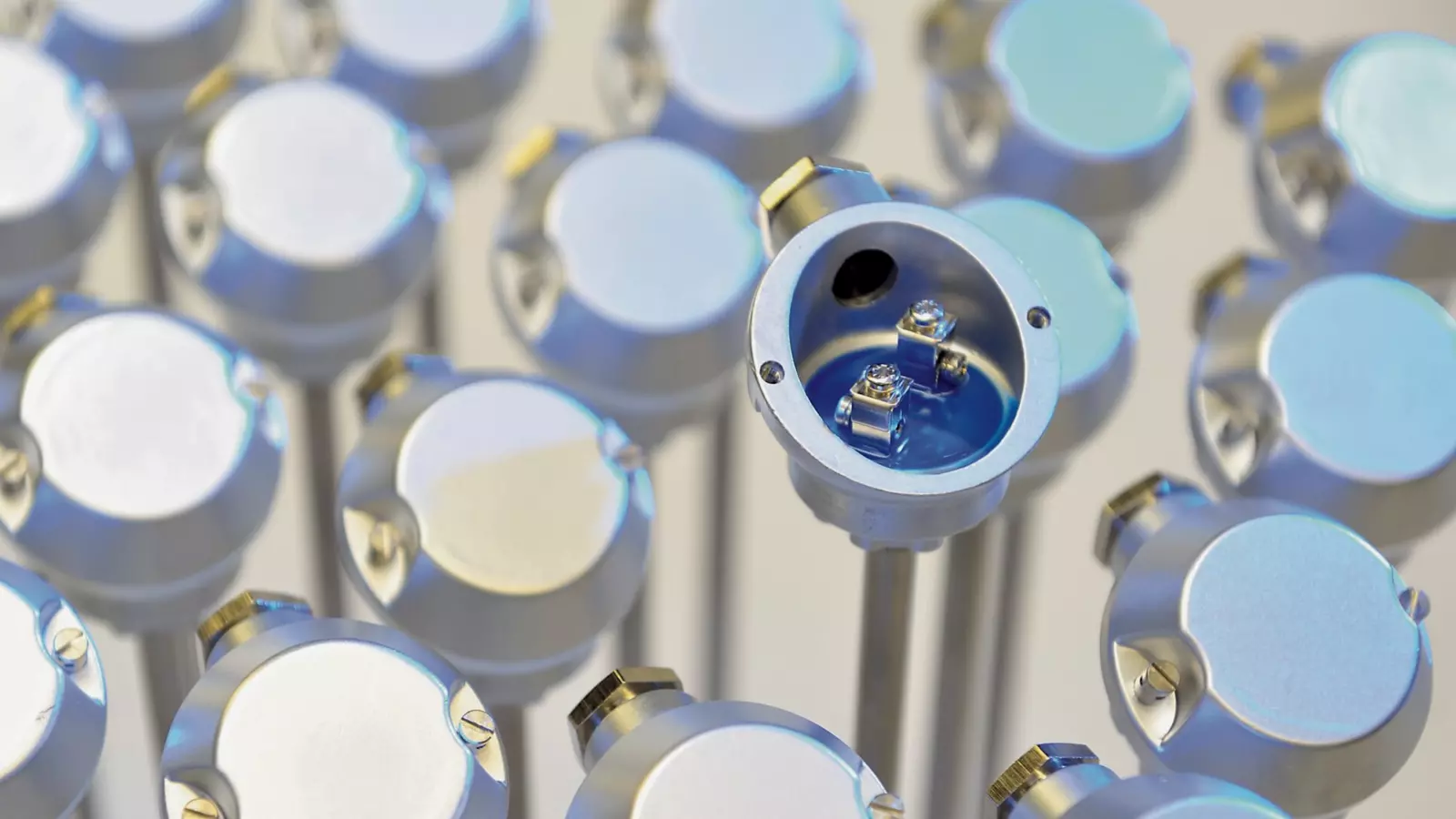
Temperature measurement
Resistance thermometers: basic information
An RTD temperature probe measures temperature through the change in resistance of its sensing element.
How does a resistance thermometer work?
The change in the electrical resistance of the sensing element is measured. A known characteristic allows one to calculate the temperature.
How does the Pt100 sensor work?
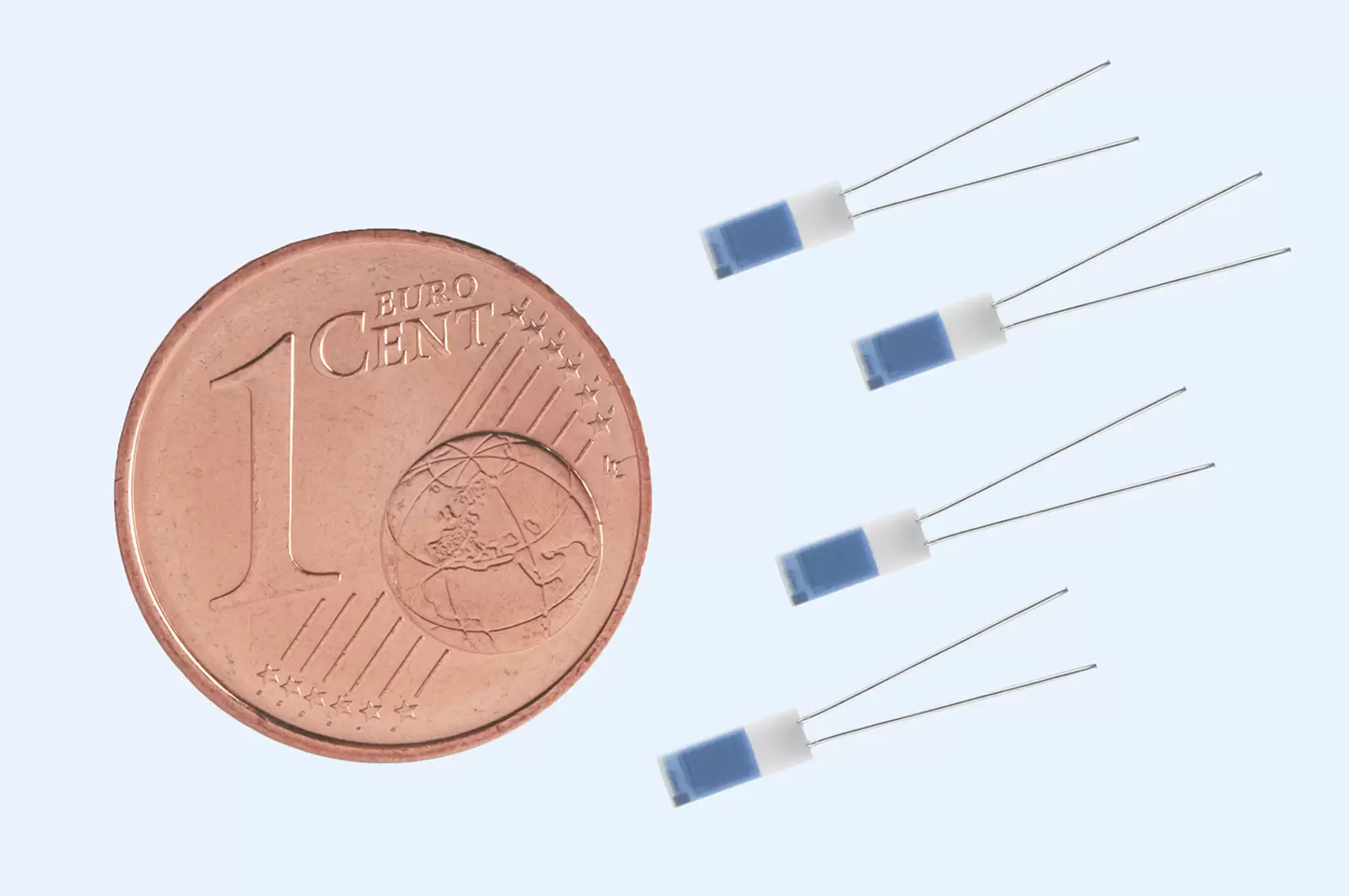
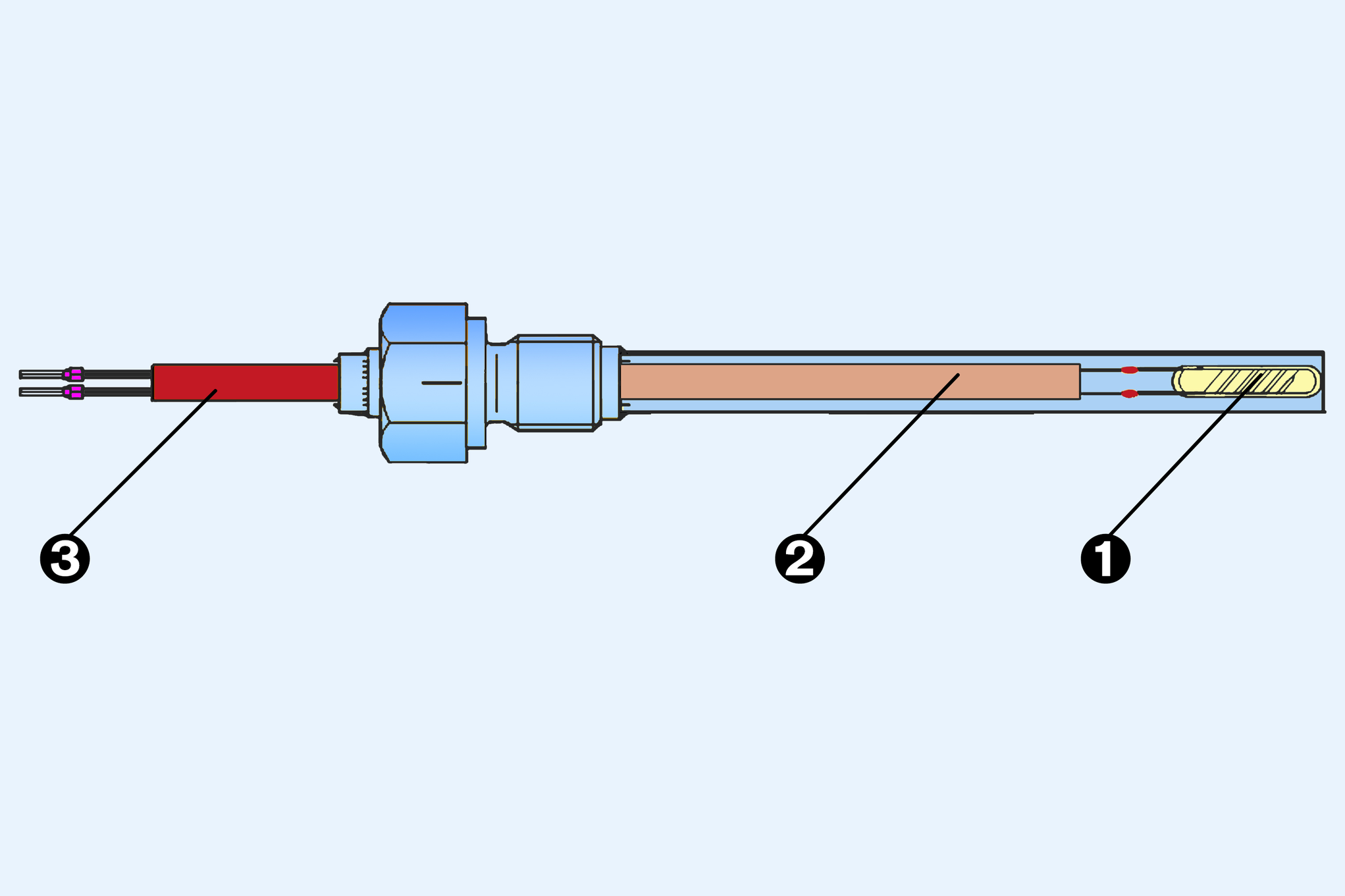
The platinum element is connected to wires and installed in a housing or sleeve. The housing protects the element and transfers heat from the environment.

Advantages of resistance thermometers
They provide stable, repeatable performance and are suitable for precise measurements in industry.
Characteristics of Pt100
The rating is 100 ohms at 0 °C. Tolerance, range, response time and connection diagram depend on the design.
Where is Pt100 used?
Sensors are used in pipelines, tanks, machines, climate control systems and heat metering systems.
What types of temperature sensors are there?
The design is selected according to the installation method and electrical connection. Submersible, threaded and surface-mounted sensors are used.
Temperature sensors JUMO
JUMO produces models for different environments and conditions. You can compare the characteristics in the catalog of resistance thermometers.
High precision temperature sensors
The accuracy of the measurement path depends on the entire assembly, including the sensor, wiring, measurement input, and thermal contact.
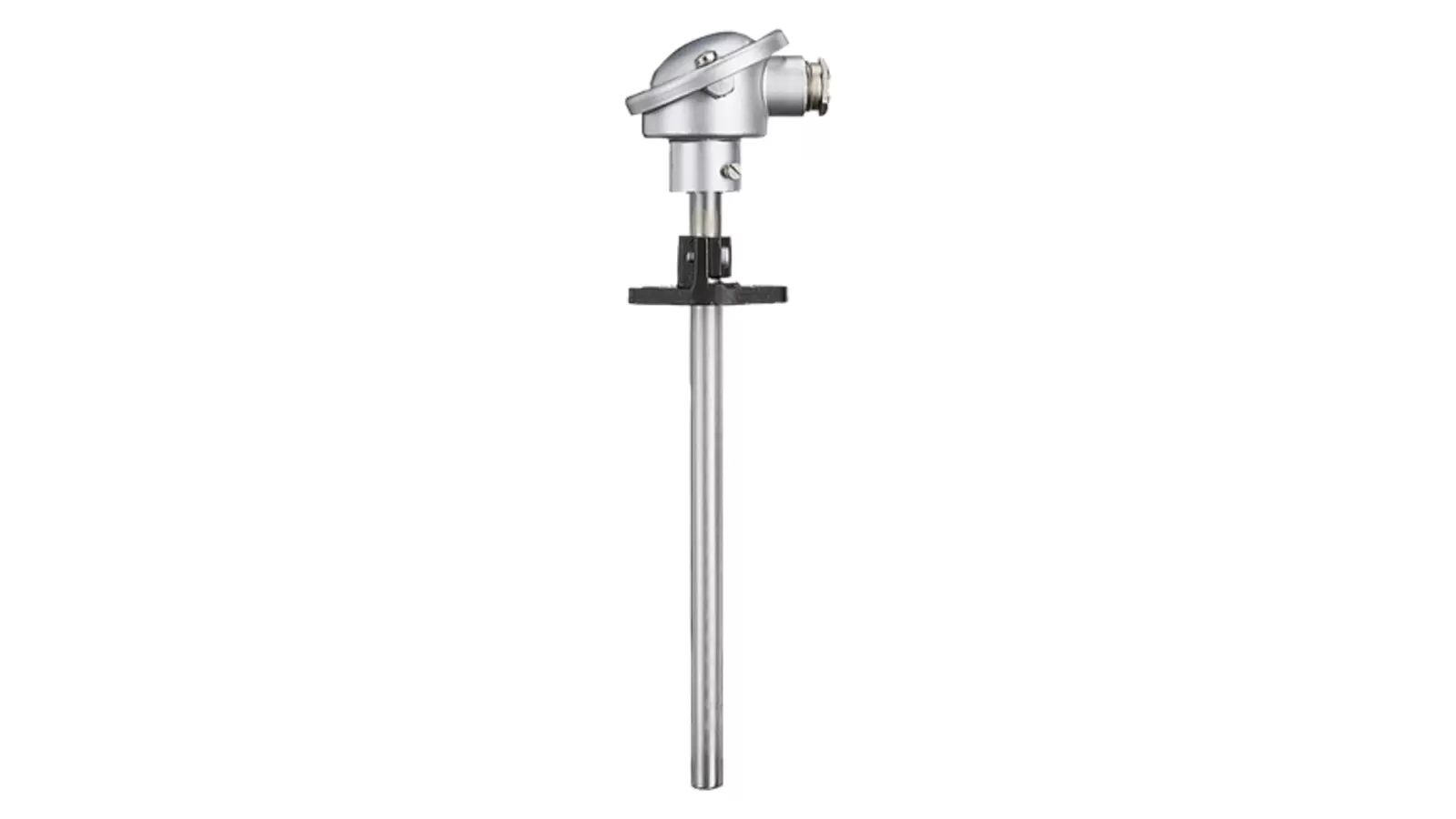
Immersion sensor with head
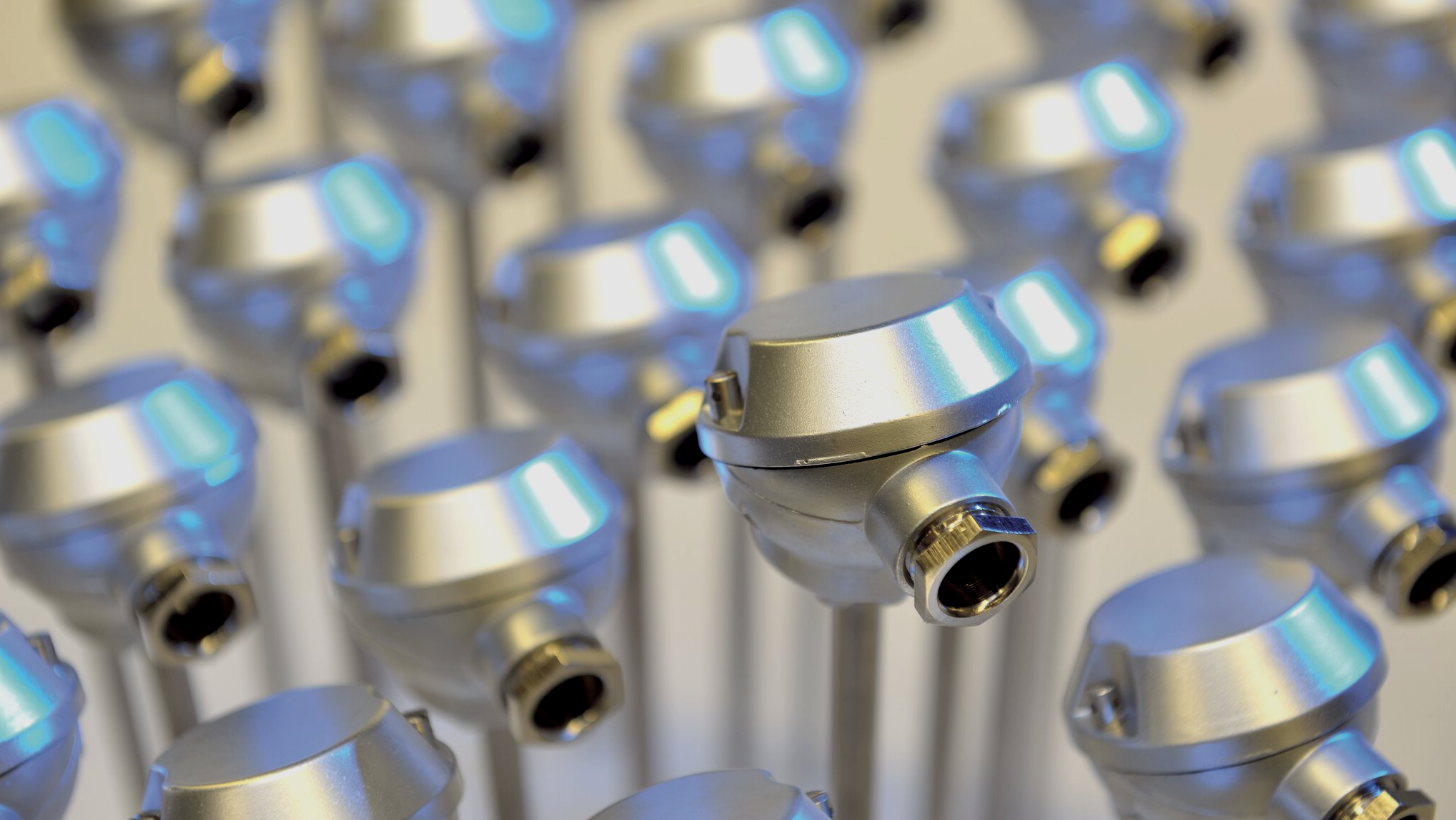
The head protects the terminals and may contain the converter. The probe is immersed in the measured medium or protective sleeve.
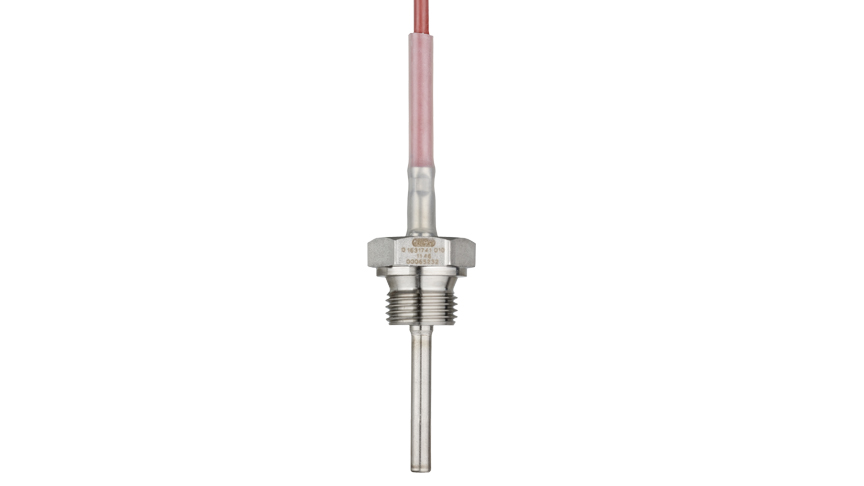
Screw-in sensor with cable
The thread fixes the sensor at the measuring point, and the cable connects it to the measuring device.
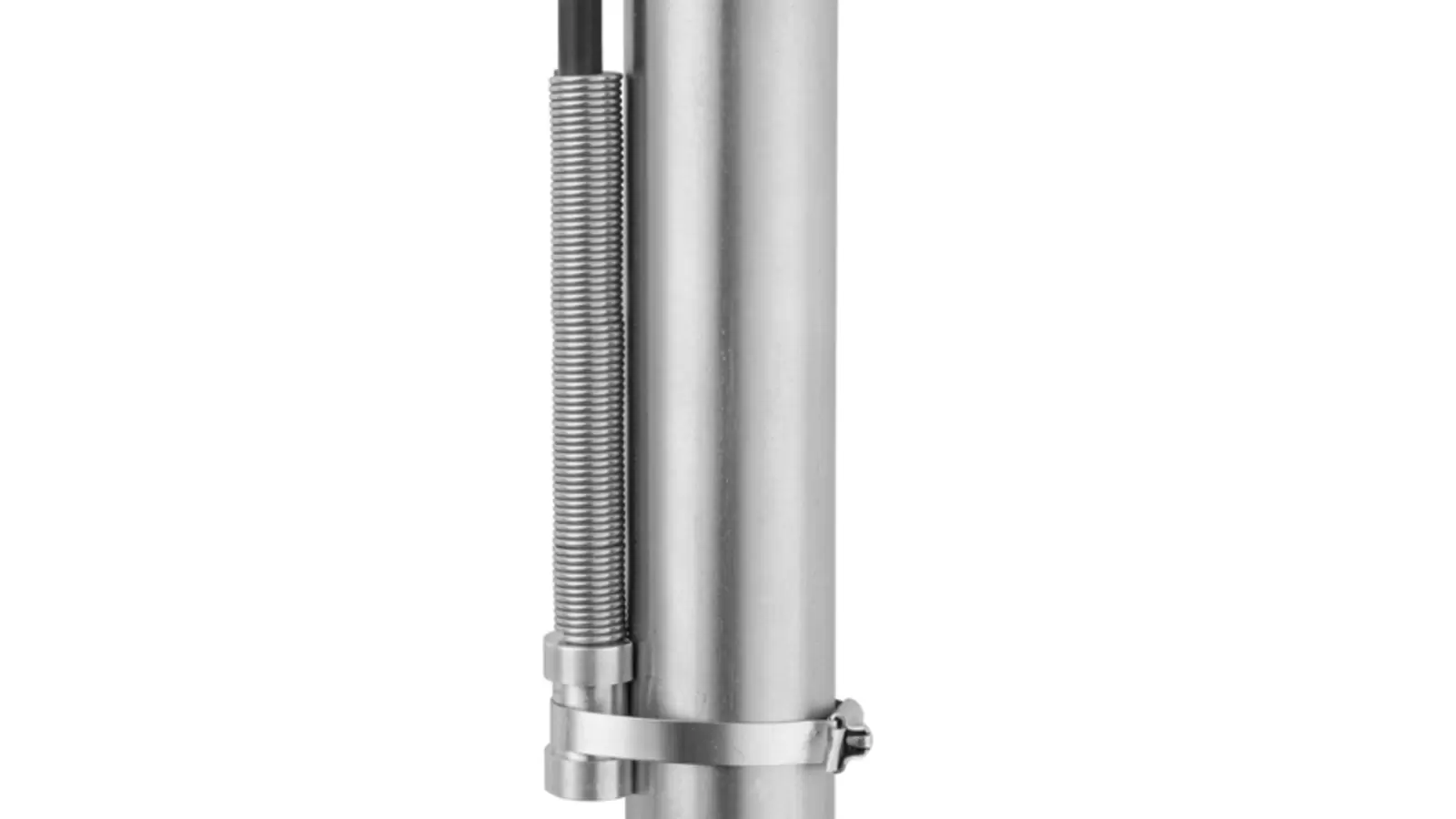
Clip-on sensor
Measures the temperature of a surface, such as a pipe wall. The result depends on thermal contact and insulation.
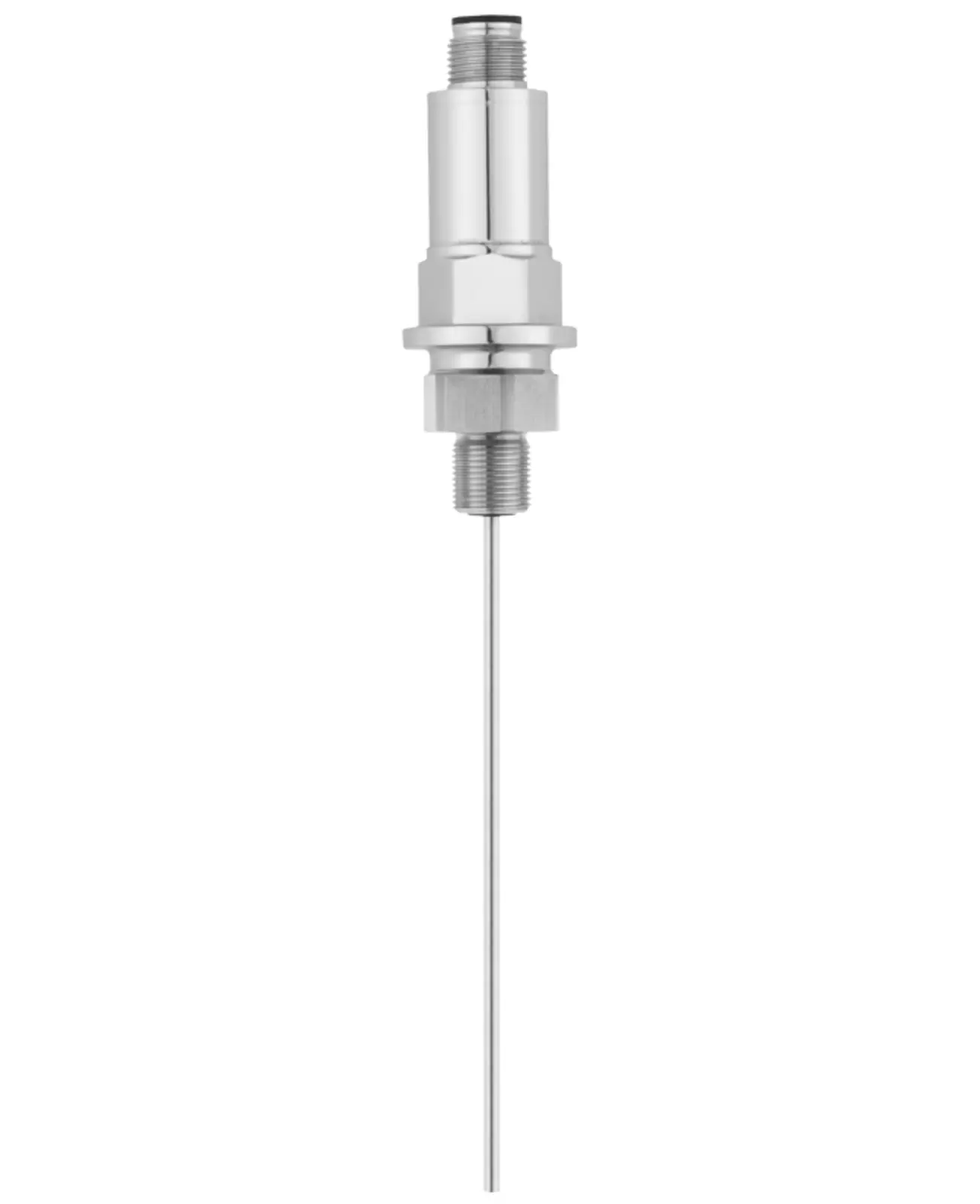
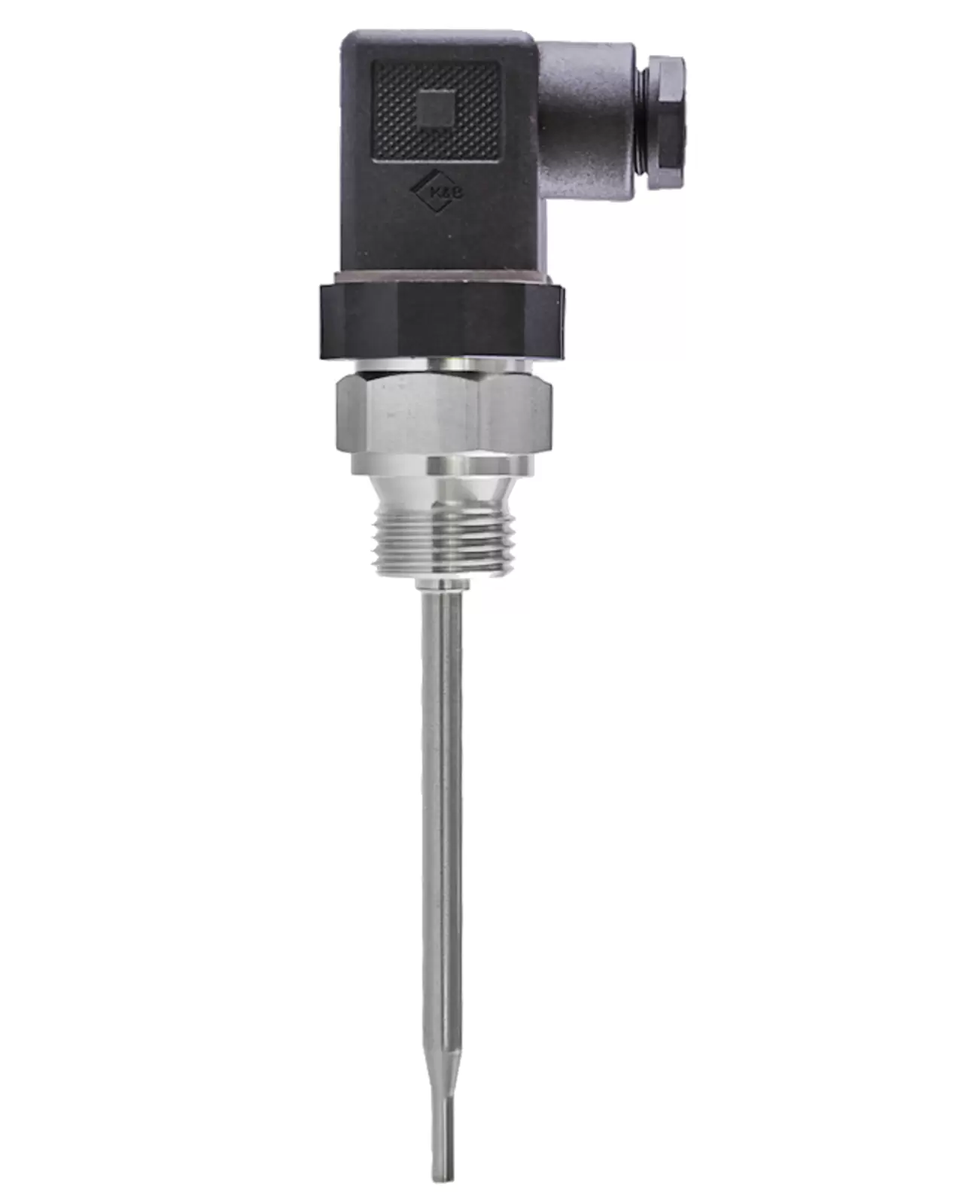
Sensor with connector
The connector speeds up installation and replacement. Select a compatible pinout and degree of protection.
Can resistance thermometers be replaced?
Check the specification, accuracy class, number of wires, geometry, range and input compatibility.
How are resistance thermometers connected?
Two-, three- and four-wire circuits are used. The difference lies in the way the wire resistance is taken into account.
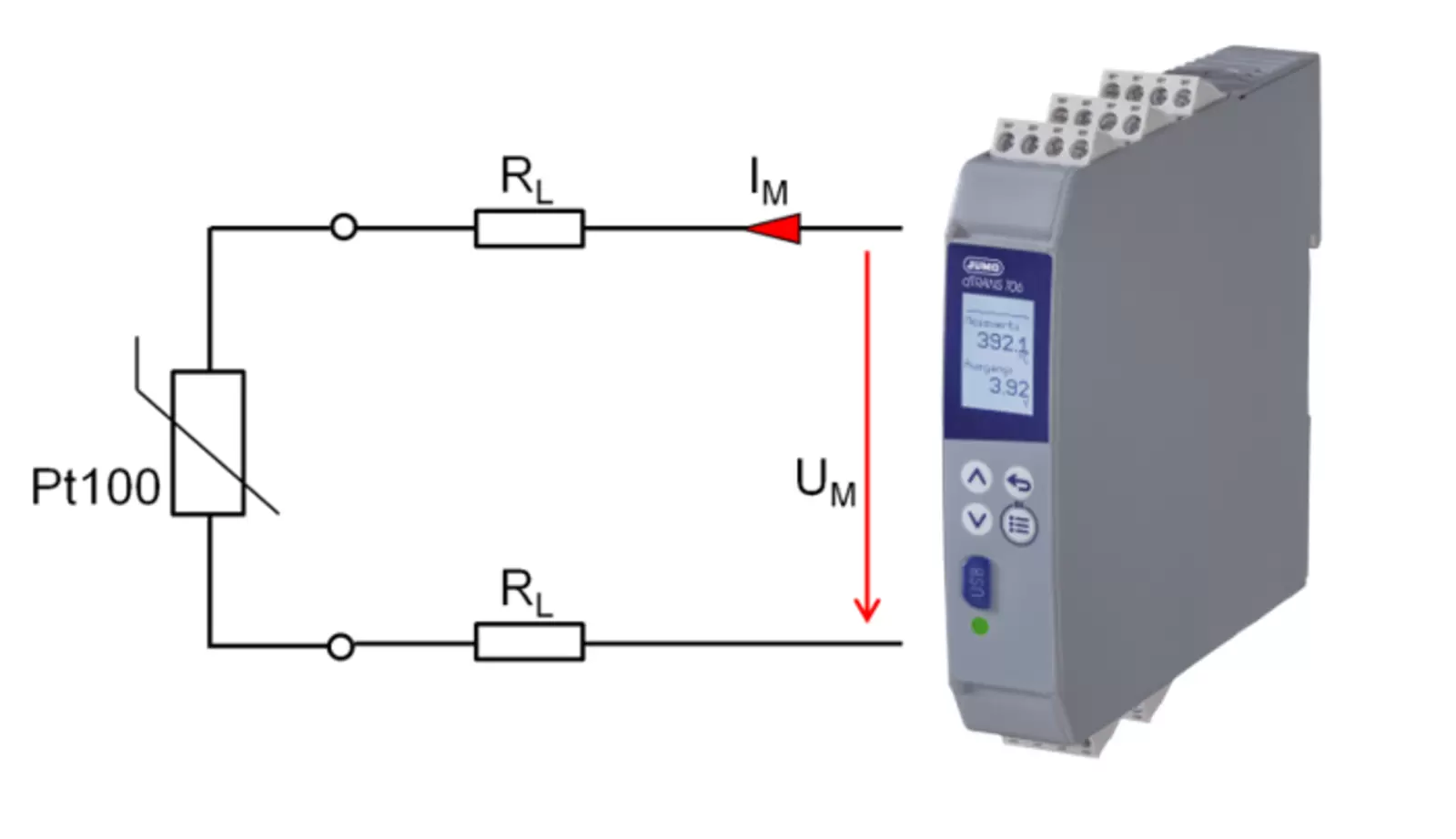
Two-wire circuit
The resistance of both wires is included in the measured result. The error increases with long lines.
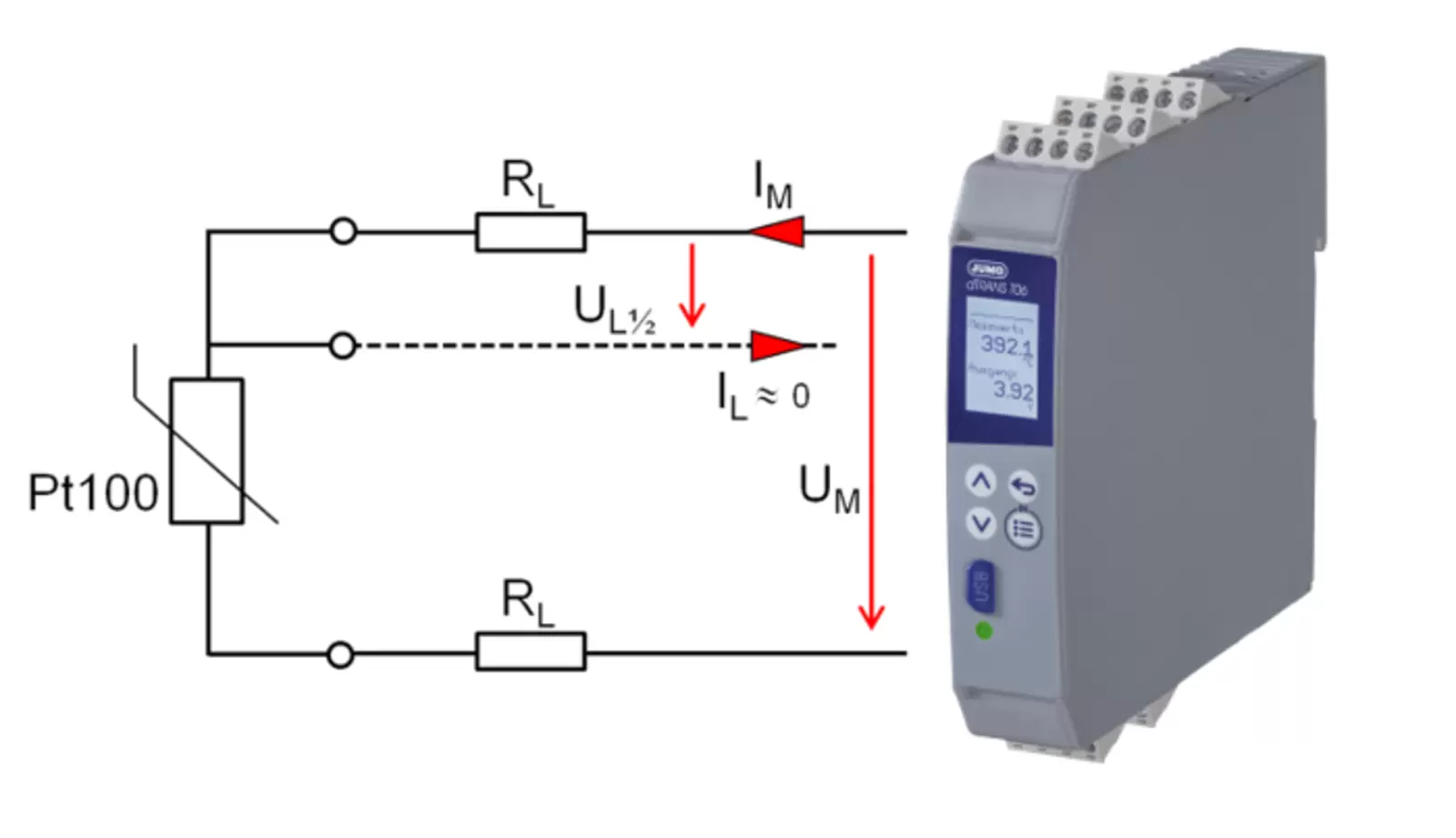
Three-wire circuit
The device compensates for the influence of wires, provided that their resistances are close.
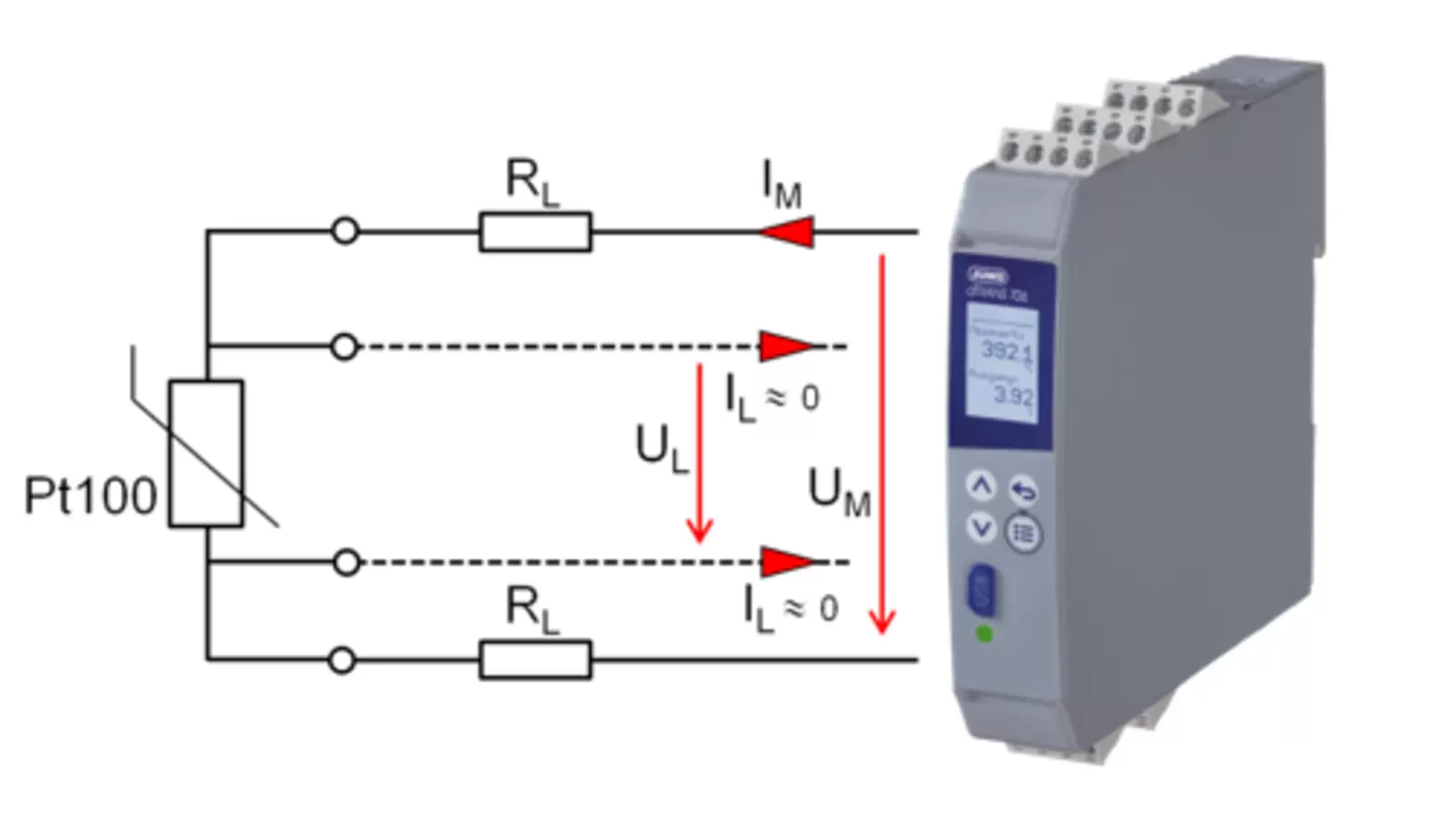
Four-wire circuit
Current and voltage are measured on separate wires, which reduces the influence of the line on the result.
Do I need to check the sensors regularly?
Verification or calibration is planned taking into account stability, accuracy requirements and operating conditions.

Should I choose Pt100 or Pt1000?
Pt1000 has a higher rated resistance, so in a two-wire circuit the relative line influence is less. The input must support the selected characteristic.