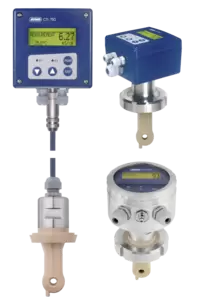
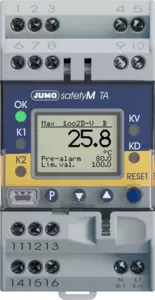
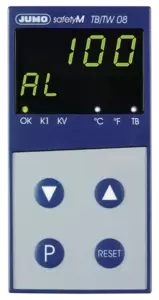
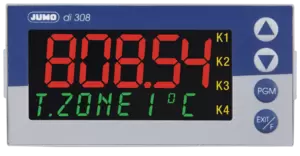
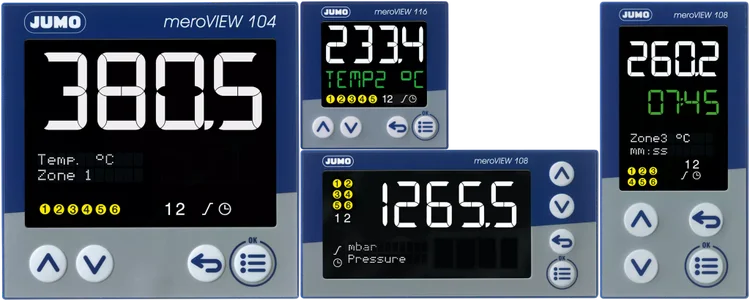
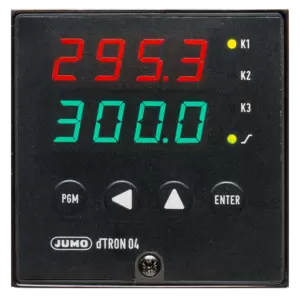
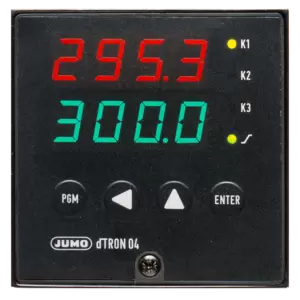
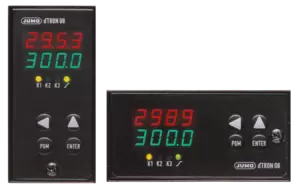
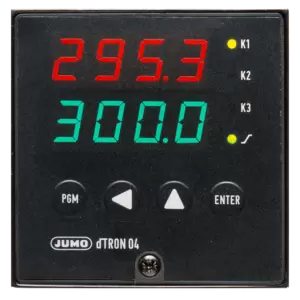
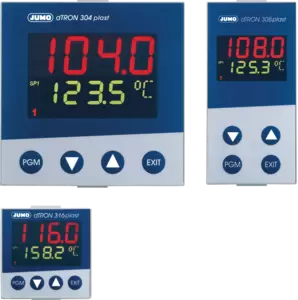
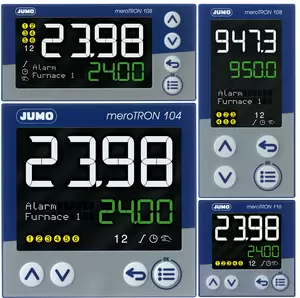
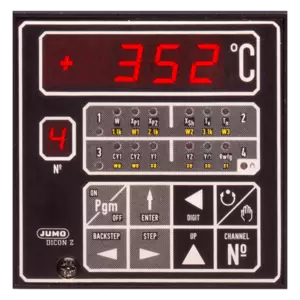
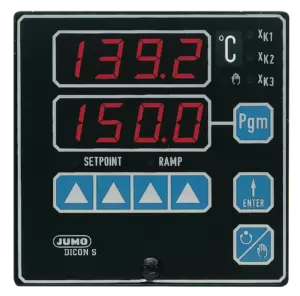
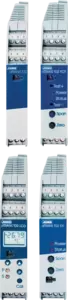
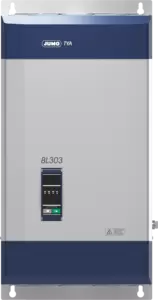
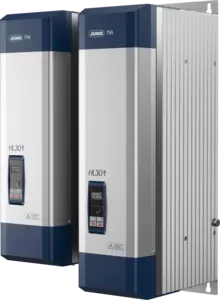
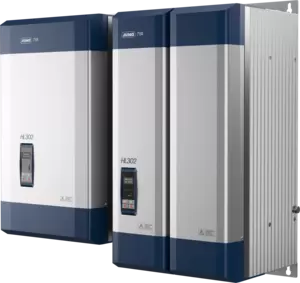
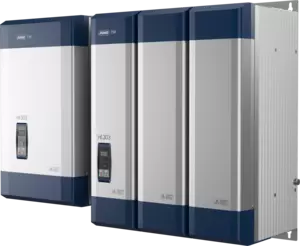
What is a PID-controller?
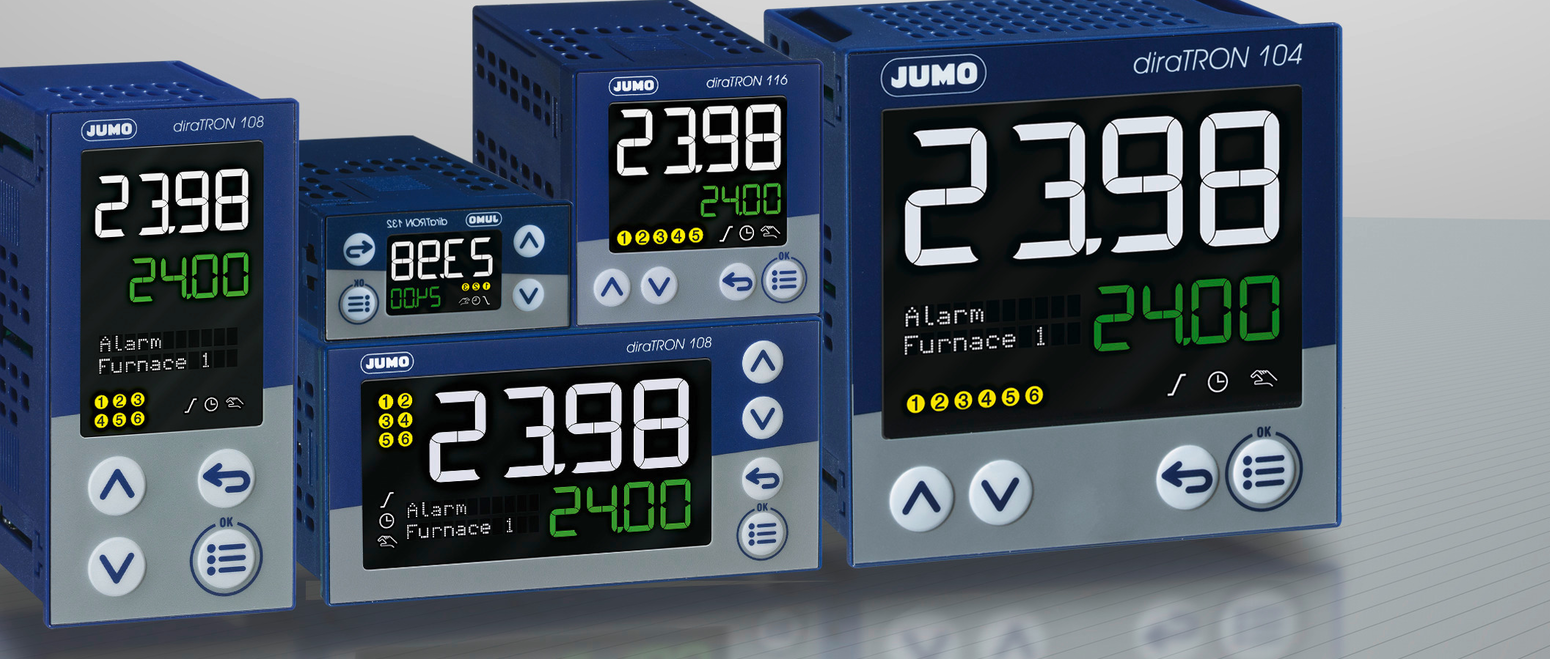
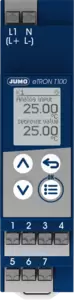
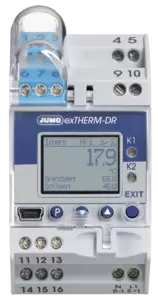
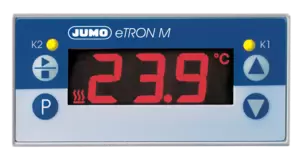
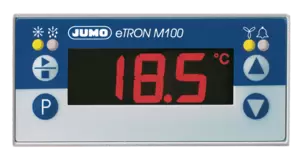
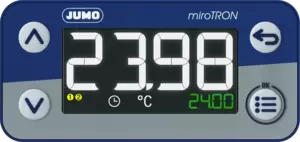
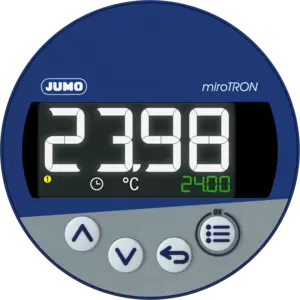
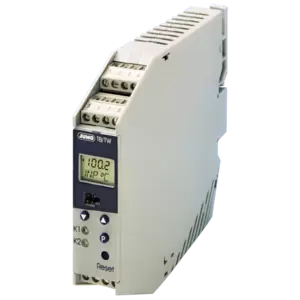
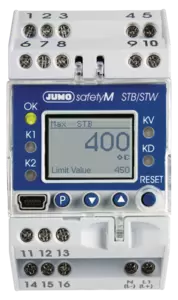
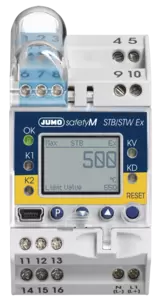
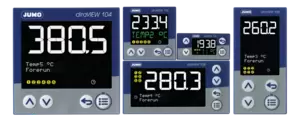
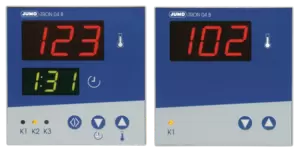
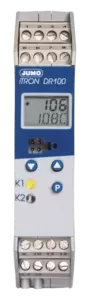
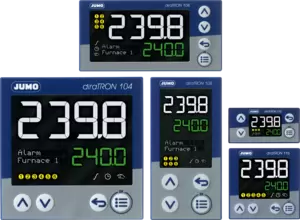
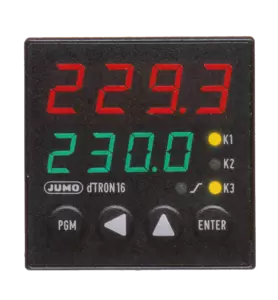
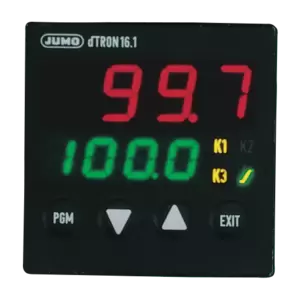
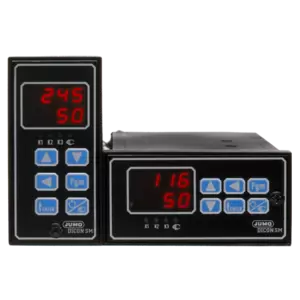
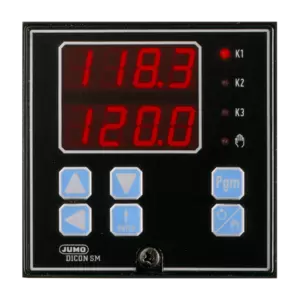
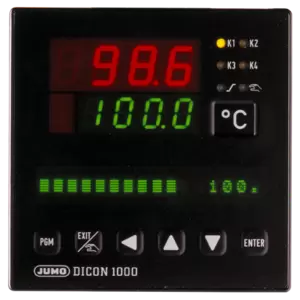
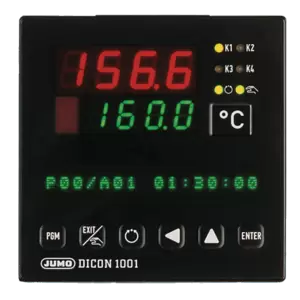
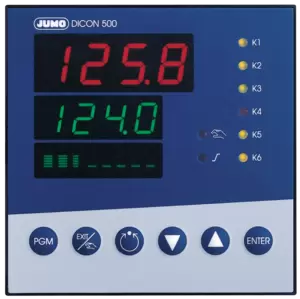
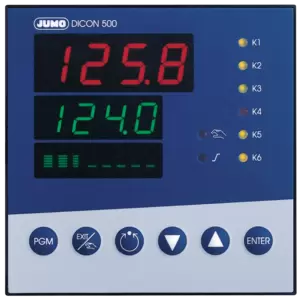
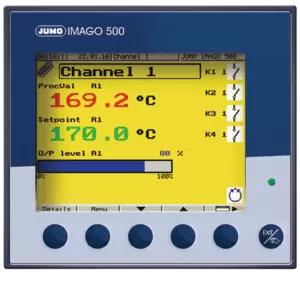
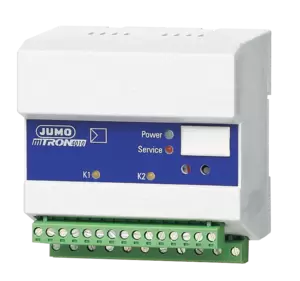
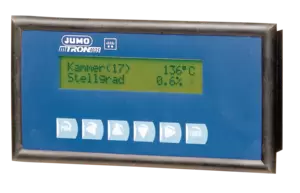
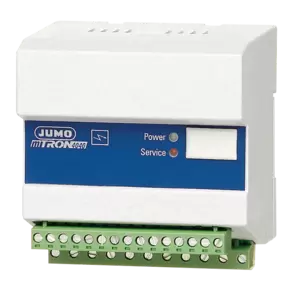
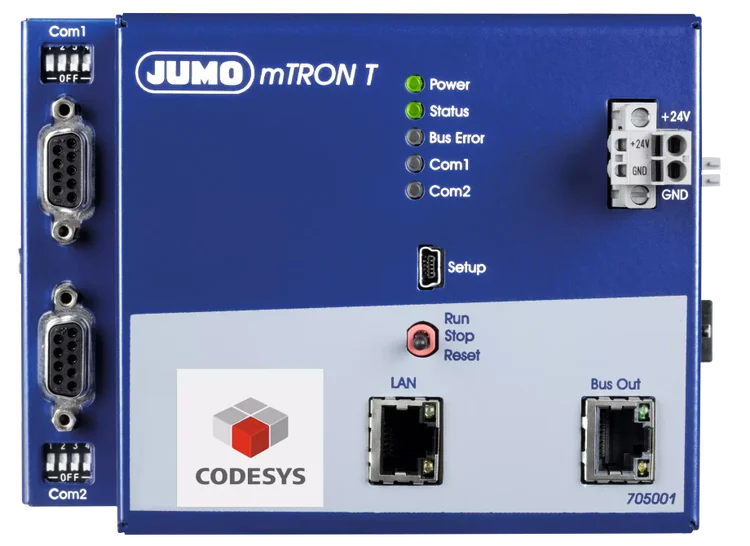
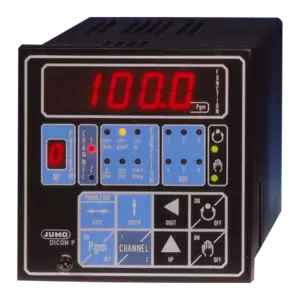
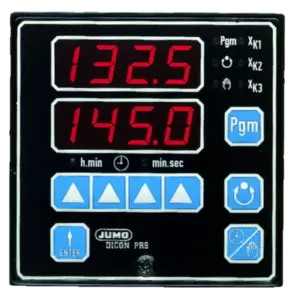
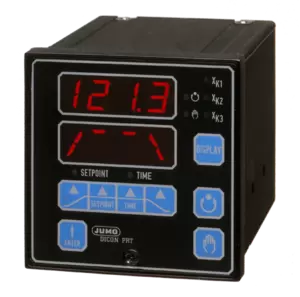
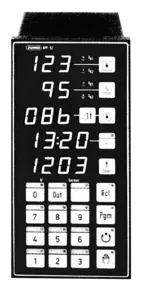
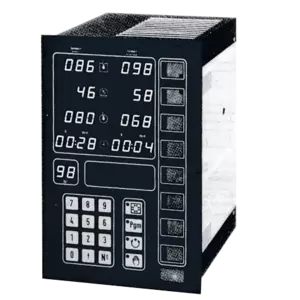
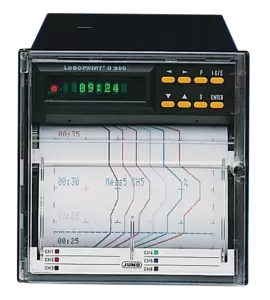
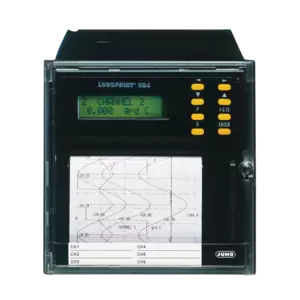
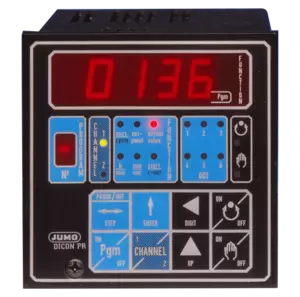
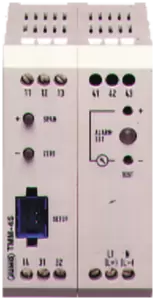
The digital PID controller can be universally programmed and parameterized by an integrated microprocessor. It operates in a proportional integrating and differentiating (PID) manner with the intensity of the individual components adapted to the control process. This is done by measuring the control parameters: Xp (proportional band), Tn (reset time) and Tv (derivative time). What is a PID controller? - JUMO
How do PID controllers work?
The operating principle of a PID controller is relatively simple to explain. Whether it is a PID temperature controller or a PID humidity controller, the controller always tries to adjust the specific controlled variable to a set value based on the actual value. In this case, the P controller amplifies the control deviation, the I controller increases its output level in case of existing control deviation, and the D controller counteracts the movement of the actual value. How do PID controllers work? - JUMO FAQ
What applications are the PID controllers used in?
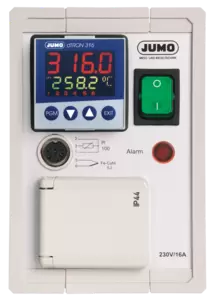
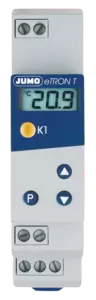
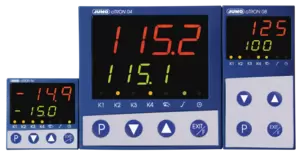
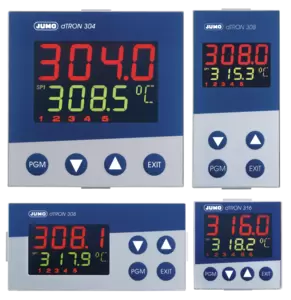
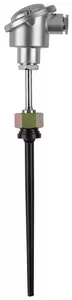
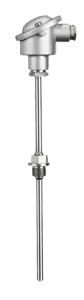
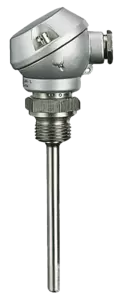
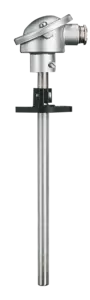
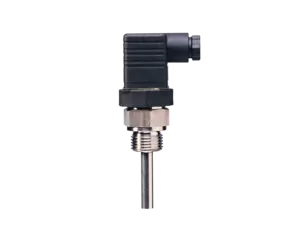
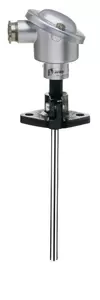
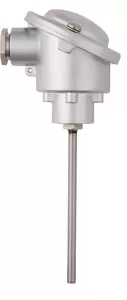
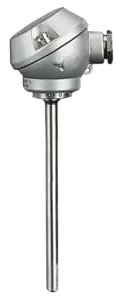
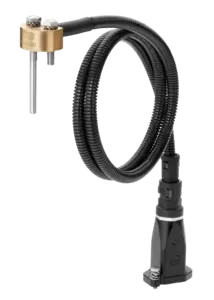
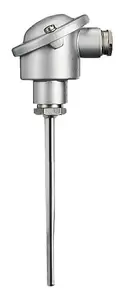
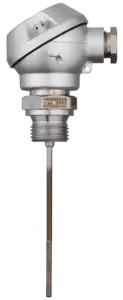
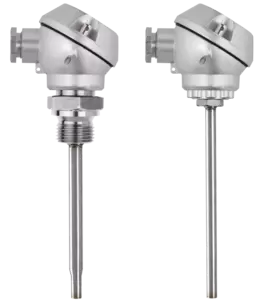
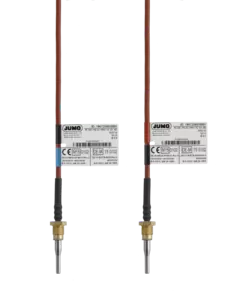
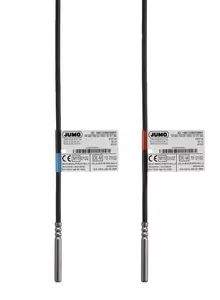
For most applications, the PID structure has the best control behavior. For example, compact controllers PID are very common in the field of temperature control, they also allow direct connection of temperature sensors RTD and thermocouples. Some controlled variables require certain components to be turned off, including speed and flow. What applications are PID controllers used in? - JUMO FAQ
What is the meaning behind the components PID and the corresponding control parameters?
The P component reacts very quickly and amplifies the control difference, the I component eliminates the control deviation, and the D component counteracts the movement of the actual value. What is the meaning behind the PID components? - JUMO FAQ