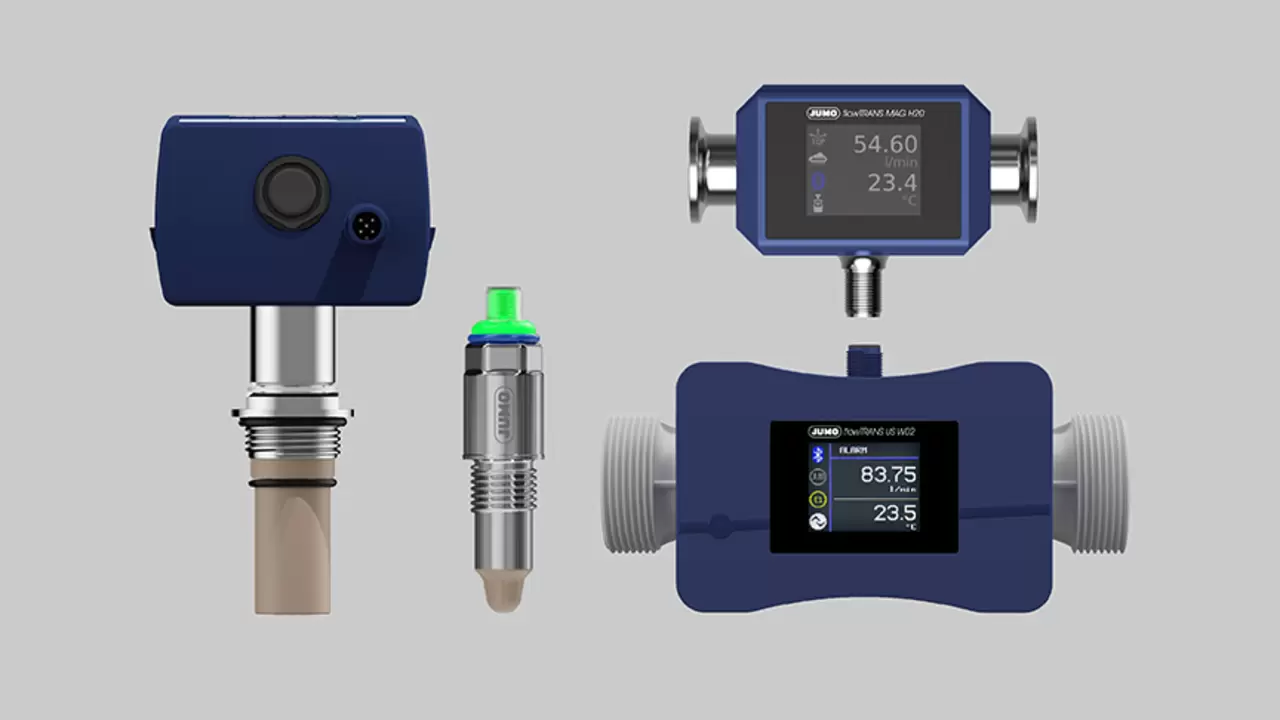
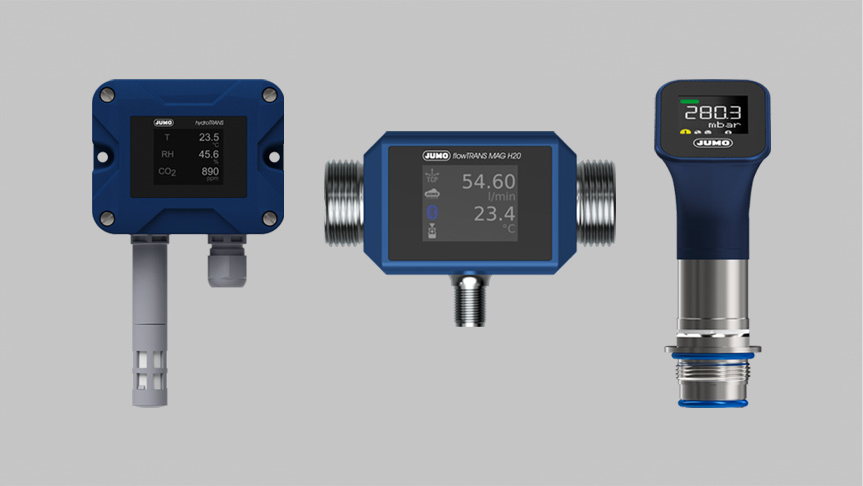
IoT sensors at a glance
Digitization
The Internet of Things (IoT/IIoT) is revolutionizing industries by making machines, devices and factories more intelligent and easier to interact with. In this context, IoT sensors play a crucial role. After all, they constantly collect information and measured values that enable informed decisions about process control and optimization in industrial environments. Find out more in the FAQ section below!What is the difference between IoT and IIoT?
The Internet of Things (IoT) and the Industrial Internet of Things (IIoT) are related concepts, but they are somewhat different in their applications, requirements and impact. While IoT aims to improve everyday life and comfort, IIoT focuses on increasing operational efficiency and minimizing downtime. Thus, IoT refers to a wide range of applications in the private sector, while IIoT focuses specifically on industrial applications such as factory automation, predictive maintenance or supply chain optimization.
What are IoT sensors?
Industrial IoT sensors, also known as Industry 4.0 sensors, have been designed specifically for the M2M communications and Industrial Internet of Things (IIoT) requirements as opposed to conventional sensor technologies. As digital sensors, they not only acquire physical measurements, but also transmit them in real time to higher-level automation and process control systems for further processing. They are suitable for a wide range of industries and applications.
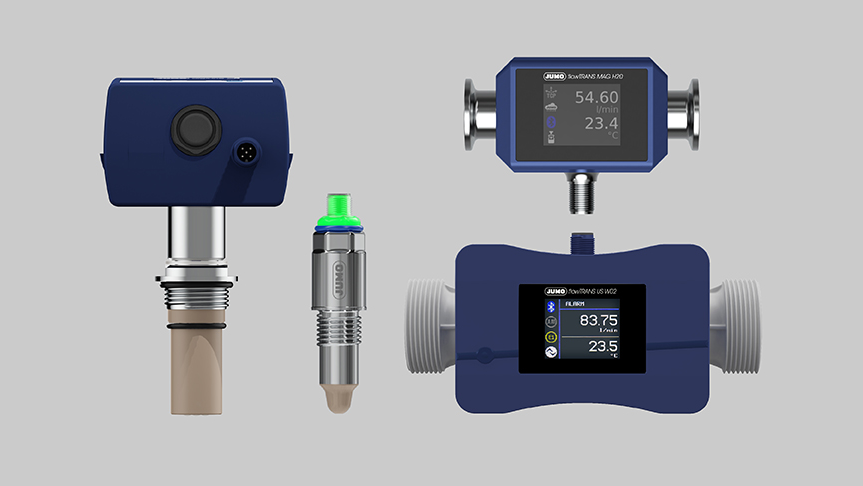
IoT sensor technology with SPE and IO-Link
How do IoT sensors work?
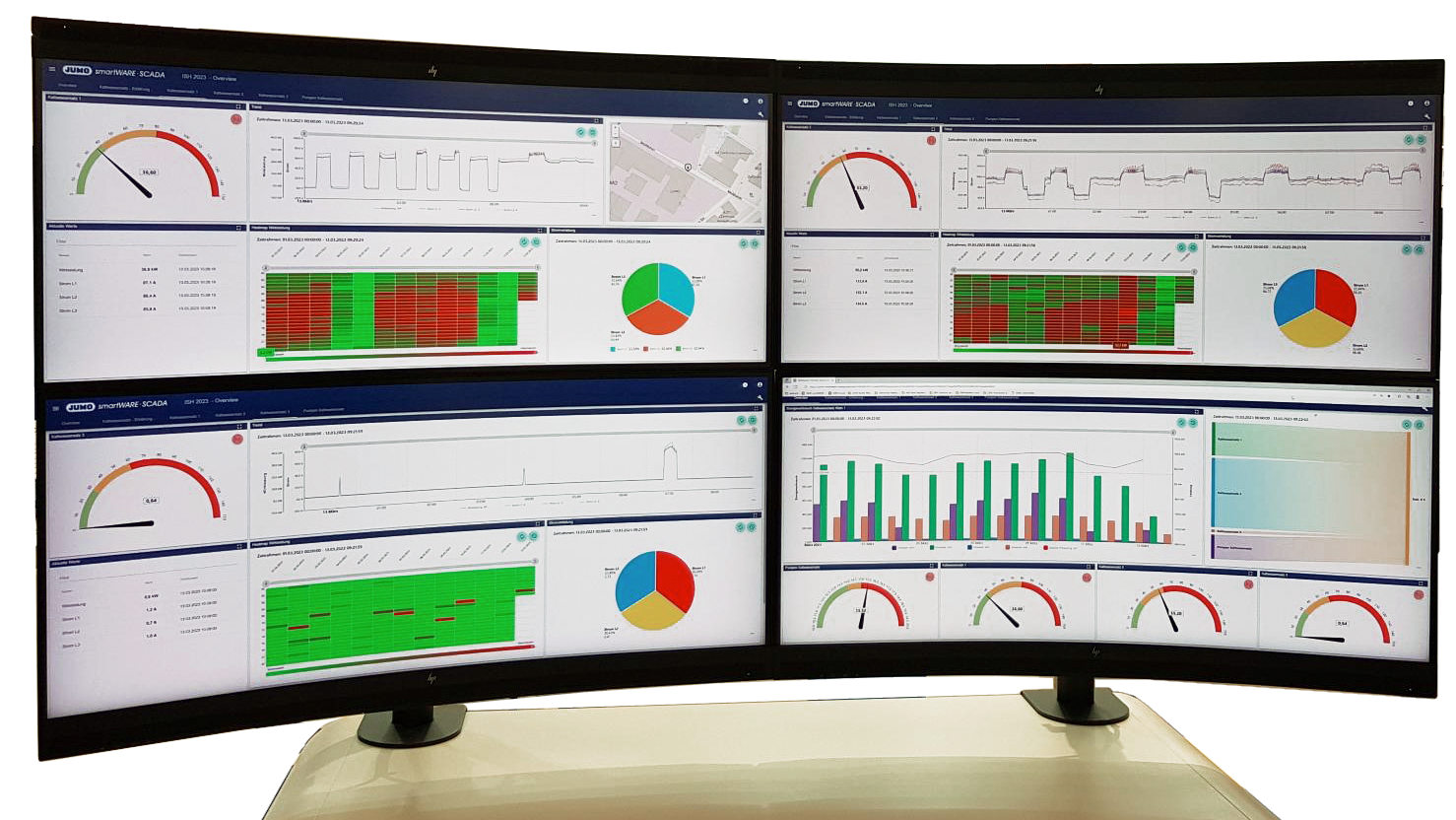
IoT sensors work through the interaction of data collection and sensor communication. Once measured, the physical data is converted into a signal that can be read by machines and sent in real time to other parts of the industrial network, such as: automation, cloud, or Systems SCADADepending on the specific industrial application, communication can be via Ethernet/Single Pair Ethernet (SPE), IO-Link or wireless technologies such as Wi-Fi, LoRaWAN, Mioty or 5G.
Why are IoT sensors so important?
IoT sensors enable real-time monitoring and control of devices and systems, which is especially important for industries and applications where fast, data-driven decisions are critical. They also make it easier to automate routine tasks, increase process efficiency, and support applications that are impossible or difficult to implement using traditional sensor technology. Proactive maintenance can prevent breakdowns and extend the life of equipment.
What types of sensors are available and which industries benefit most from them?
IoT sensors are available for a variety of applications and a wide range of measurements. In the industrial sector temperature sensors, humidity sensors, Pressure sensors, flow sensors, Liquid sensors. Level sensors Among other applications, IoT sensors are being implemented in the manufacturing and process industries to automate processes, in agriculture for greenhouse monitoring, and in aquaculture to ensure water quality.
How do IoT sensors impact energy efficiency?
Their ability to provide accurate data in real time allows IoT sensors to continuously monitor the energy consumption of machines and installations. Energy consumption patterns are recognized and inefficient devices or processes are identified. Appropriate countermeasures can reduce energy consumption in the long term.
How do IoT sensors impact sustainability?
In addition to energy balance, resource management also benefits from modern IoT sensor technologies. These innovative sensors enable precise irrigation and fertilization in agriculture, thereby preventing water waste and overfertilization. The same applies to defects in the manufacturing industry, which can be minimized through more accurate monitoring of production lines. In addition, downtime is reduced by efficiently managing liquid and industrial gas storage tank inventory, allowing route planning to take into account costs.
What role do IoT sensors play in process reliability?
IoT sensors can help improve safety in industrial environments. After all, constant monitoring of machines and installations facilitates the early detection of potential safety risks. Various types of sensors can be used for purposes such as obtaining temperature or pressure deviations that indicate an impending failure or dangerous situation. This allows proactive measures to be taken to prevent accidents and keep employees and plants safe.
What is the significance of single-pair Ethernet (SPE) for IoT sensors?
SPE offers several important advantages for IoT sensors. These methods include:
Simplicity and cost savings
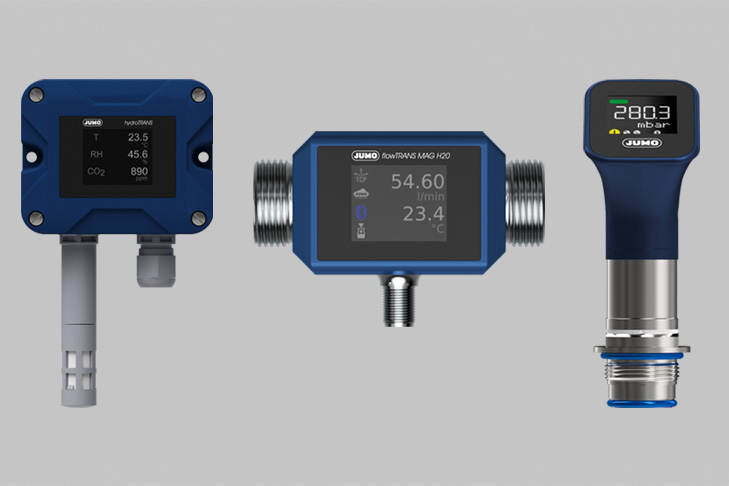
Unlike traditional 4 or 8 wires, SPE uses only 1 pair of copper wires to transmit data. This reduction simplifies cabling and installation, resulting in lower material and labor costs.
Space and weight loss
Reduced cabling makes the SPE sensors lighter and more compact than conventional sensors, making them ideal for use in densely packed industrial environments.
Energy efficiency
SPE supports Power over Data Line (PoDL) and transmits current as well as data over the same cable. This simplifies the development of IoT sensor applications by eliminating the need for separate power lines.
Range Increasing
SPE can transmit data over longer distances than conventional Ethernet solutions. It offers a range of up to 1000 meters, which is a significant improvement on the 100 meters that was the standard in the past. This is especially useful for large industrial plants or distributed systems.
High data transfer speed
Single Pair Ethernet supports high data rates up to 10 Gbps. This allows you to cover high-bandwidth applications. An example here is the precise control and monitoring of complex control cycles in process automation.
Cloud connection
SPE provides direct connection of sensors to cloud systems; no additional edge gateways are required.
Reliability and reliability
SPE is fault and environmental resistant and designed for use in harsh environments. This reliability makes the technology ideal for applications that are exposed to harsh environmental conditions.
Compatibility and standardization
The growing acceptance of SPE as a standard for industrial communications promotes compatibility between different devices and systems. This makes it easier to integrate IoT sensors into existing networks and systems.
Buy sensors SPE
What is the significance of smart sensors with IO-Link?
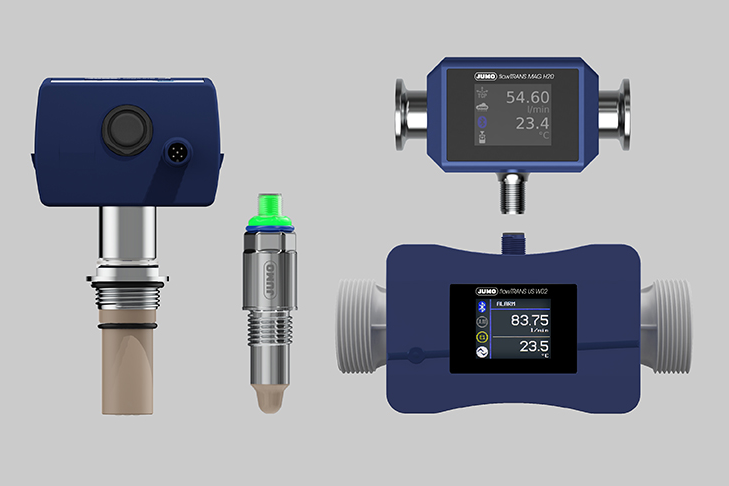
As an intelligent communication protocol, IO-Link provides seamless connectivity to industrial networks and IIoT environments. The most important benefits include:
Bidirectional/digital communication
IO-Link allows bidirectional communication between sensors/actuators and control systems. This means that not only is data sent from devices to the control system, but control commands and configuration data can also be sent back to the devices. Digital communication increases the flexibility and adaptability of automation systems, as devices can be quickly and easily reconfigured to meet changing requirements.
Predictive Maintenance
IO-Link communicates diagnostic and other metadata (manufacturer information, software version, etc.) that is critical for predictive maintenance. By continuously monitoring device health and analyzing diagnostic data, potential problems can be identified and resolved early, before they cause failures. This increases plant availability and reduces maintenance costs since maintenance measures can be carried out in a targeted and needs-based manner.
Cloud connection
IO-Link devices can be connected directly to cloud platforms via the IO-Link master with a cloud interface or associated gateways. This allows sensor data to be centrally collected, analyzed and visualized - an important component for IIoT applications. Companies benefit from greater transparency, more efficient processes, data-driven decisions, and advanced remote monitoring and management options.
Manufacturer Independent Configuration Interface
IO-Link - international standard according to IEC 61131-9. This means users can easily configure and operate devices from a wide range of manufacturers through a single infrastructure. This optimizes training, startup and uptime compared to proprietary solutions.
Buy sensors IO-Link
How are AI tagging and IoT sensor technology related?
Artificial intelligence plays a critical role in the effective use of 4.0 Industry sensors. After all, the collected sensor data is annotated by AI with informative labels that describe specific features or conditions in the data. This allows AI systems to learn from data and recognize patterns.
Additionally, accurate AI labeling can identify and correct errors, inconsistencies, and ambiguities in data, resulting in more accurate and reliable measured values.
How to find suitable sensors for IIoT applications?
The use of sensors depends on the requirements or various features in the applications. XPE sensors with Power over Data Line (PoDL) are ideal for implementing Ethernet connections over distances of up to 1000 meters. This function is necessary for applications such as climate monitoring of large warehouses or greenhouses.
IO-Link, on the other hand, makes it easier to adapt to changing production requirements and improve the efficiency of production lines through flexible integration and rapid configuration of sensors and actuators. In the chemical and pharmaceutical industries, IO-Link supports precise process monitoring and control, providing detailed diagnostic data to simplify maintenance and improve process reliability.
If necessary, a sensor technology specialist should be consulted when selecting the appropriate sensor technology. This is especially true for complex requirements that cannot be adequately met by standard Industry 4.0 sensors.
Our touch technologies